Great Blue Turaco

Great Blue Turaco

Corythaeola cristata

Silhouette: Kai Caspar · PhyloPic

LCLeast ConcernNTVUENCR
Daily sighting probability ~40% · Likely
at Semuliki National Park

In 3 days ~80% in a week >90%

192 Verified sightings at Semuliki National Park From 2019 to 2026
2,842 In all 10 parks
July Best month
☀️ Diurnal When it's spotted

About the Great Blue Turaco

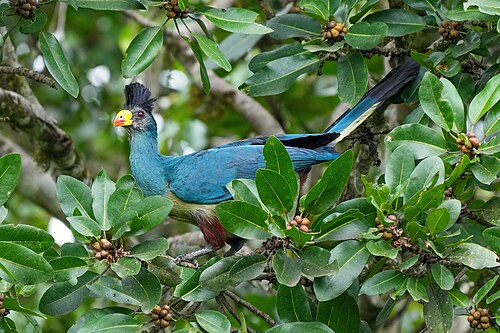
The great blue turaco (Corythaeola cristata) is a bird species of the family Musophagidae. At 70–76 cm (28–30 in) in length, it is the largest species of turaco. It has predominantly grey-blue plumage with an upright blue-black crest around 10 cm (3.9 in) high. The male and female have similar plumage. It is widespread throughout the African tropical rainforest.

French ornithologist Louis Pierre Vieillot described the great blue turaco as Musophaga cristata in 1816, before German ornithologist Ferdinand Heine placed it in its own genus in 1860. The great blue turaco is the sole member of the subfamily Corythaeolinae within the turaco family. Its closest relatives are the go-away birds and plantain eaters of the genus Crinifer. The common ancestor of both diverged from the ancestor of all other turaco species.

"Great blue turaco" has been designated the official common name by the International Ornithologists' Union (IOC). It is also called the blue plantain eater. The species ranges from Guinea in the west, and east across the sub-Saharan nations to the Imatong Mountains in South Sudan; it also occurs in Uganda, Rwanda, Tanzania and western... Wikipedia →

Sounds

Song0:50

Uganda · 2025

© Bernard BOUSQUET · XC1052480 · CC BY-NC-SA 4.0

Call0:16

Sierra Leone · 2022

© Brendan Sloan · XC877976 · CC BY-NC-ND 4.0

Duet0:37

Tanzania · 2023

© paulo kivuyo · XC781312 · CC BY-SA 4.0

Global Distribution

Parks Where Found

# Park Country Daily sighting probability
1 Kibale National Park 🇺🇬 Uganda
~60%
2 Taï National Park 🇨🇮 Ivory Coast
~50%
3 Semuliki National Park 🇺🇬 Uganda
~40%
4 Bwindi Impenetrable National Park 🇺🇬 Uganda
~40%
5 Nyungwe National Park 🇷🇼 Rwanda
~30%
6 Odzala-Kokoua National Park 🇨🇬 Republic of the Congo
~30%
7 Queen Elizabeth National Park 🇺🇬 Uganda
<5%
8 Murchison Falls National Park 🇺🇬 Uganda
<5%
9 Virunga National Park 🇨🇩 Democratic Republic of the Congo
<5%
10 Lake Mburo National Park 🇺🇬 Uganda
<5%

Cities Where Found

# City Country Daily sighting probability
1 Kampala 🇺🇬 Uganda
~50%

Zoos & Centres Where Found

# Zoo / Centre Country
1 Disney's Animal Kingdom 🇺🇸 United States In captivity
2 Busch Gardens Tampa 🇺🇸 United States In captivity
3 SeaWorld San Diego 🇺🇸 United States In captivity
4 San Diego Zoo 🇺🇸 United States In captivity
5 Zlín-Lešná Zoo 🇨🇿 Czechia In captivity
6 Zoo Miami 🇺🇸 United States In captivity
7 San Diego Zoo Safari Park 🇺🇸 United States In captivity
8 Bronx Zoo 🇺🇸 United States In captivity
9 Nashville Zoo at Grassmere 🇺🇸 United States In captivity
10 Sedgwick County Zoo 🇺🇸 United States In captivity
11 Woodland Park Zoo 🇺🇸 United States In captivity
12 Moody Gardens 🇺🇸 United States In captivity
13 Houston Zoo 🇺🇸 United States In captivity
14 San Antonio Zoo 🇺🇸 United States In captivity
15 Emirates Park Zoo 🇦🇪 United Arab Emirates In captivity
16 Philadelphia Zoo 🇺🇸 United States In captivity
17 Attica Zoological Park 🇬🇷 Greece In captivity
18 Bird Paradise 🇸🇬 Singapore In captivity
19 Rainforest Wild Asia 🇸🇬 Singapore In captivity
20 Turtle Back Zoo 🇺🇸 United States In captivity
21 Vogelpark Avifauna 🇳🇱 Netherlands In captivity
22 Inokashira Park Zoo 🇯🇵 Japan In captivity

Before you go

What are the chances of seeing a Great Blue Turaco in Semuliki National Park?

Likely

About 40% of wildlife watchers report a Great Blue Turaco sighting in Semuliki National Park on a given day, based on 192 verified sightings from GBIF citizen-science data from 2019 to 2026. It is the 24th most-seen of the 280 birds we can rate there. Over three days the chance rises to about 80%, and over a week to over 90%, if each day is a fresh chance.

When is the best time to see a Great Blue Turaco in Semuliki National Park?

July

In that month about 60% of wildlife watchers report a Great Blue Turaco in Semuliki National Park on a given day, against about 30% in February–April and June, the lowest months.

What time of day is best to see a Great Blue Turaco?

Between 8 and 11 am

Across all the parks we cover, that three-hour window holds the most Great Blue Turaco sightings with a recorded time, and about 9 in 10 of them come between 6 am and 6 pm: it is a daytime animal.

Is Semuliki National Park the best place to see a Great Blue Turaco?

3rd of 10

Of the 10 parks where we can rate Great Blue Turaco sightings, Semuliki National Park ranks 3rd at about 40%. The best odds are in Kibale National Park (Uganda, about 60%) and Taï National Park (Ivory Coast, about 50%). All parks ranked.

Which relatives of the Great Blue Turaco live in Semuliki National Park?

Same family: Musophagidae

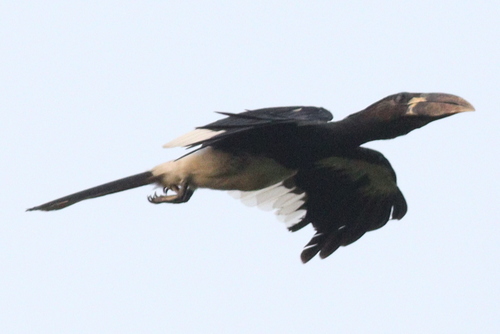
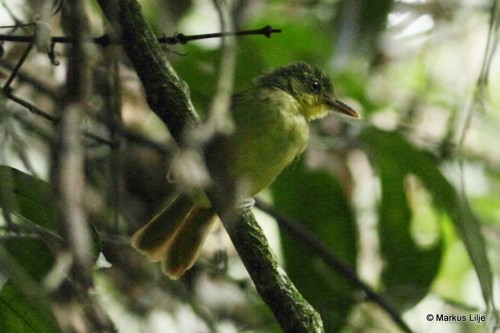
The closest relatives of the Great Blue Turaco that you can see in Semuliki National Park (family Musophagidae, Turacos) are Black-billed Turaco (about 20%) and Ross' Turaco (about 10%), with each one's daily chance of a sighting.

Where does the Great Blue Turaco sighting chance come from?

GBIF citizen-science records

It is estimated from how often the Great Blue Turaco is recorded against all the birds logged in Semuliki National Park (192 verified sightings from 2019 to 2026), calibrated against known sighting rates. Figures are rounded to the nearest 10% because citizen-science data supports honest approximations, not decimals, and months with records from fewer than five people show "—". How it works.
← Back to Semuliki National Park