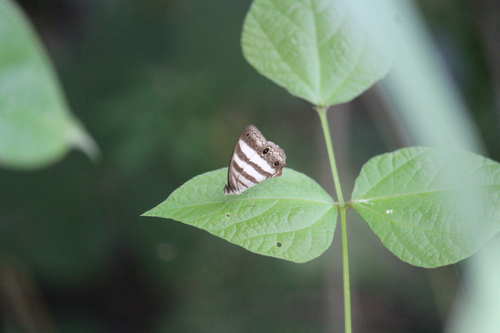
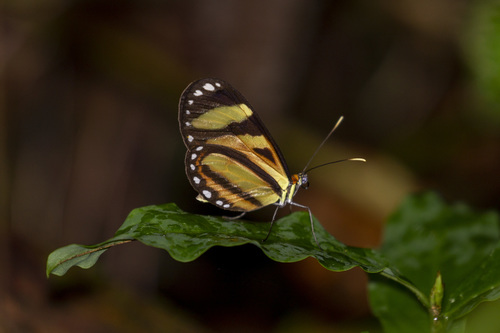
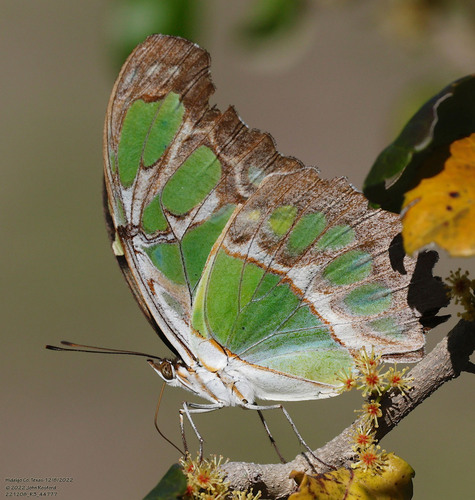
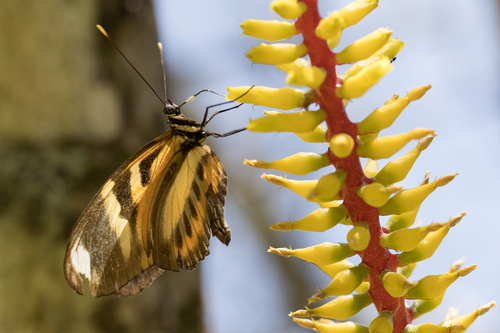
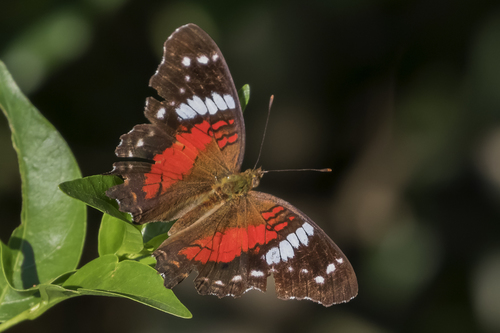
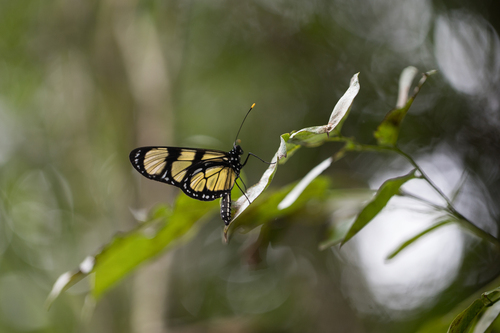
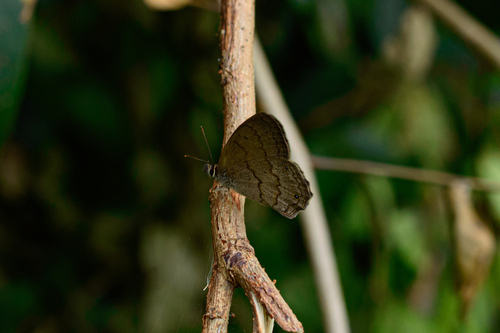
Waiter Daggerwing

Waiter Daggerwing

Marpesia zerynthia

Daily sighting probability ~20% · Possible
at Serra dos Órgãos National Park

In 3 days ~40% in a week ~70%

8 Verified sightings at Serra dos Órgãos National Park From 2019 to 2026
75 In all 8 parks
March Best month
☀️ Diurnal When it's spotted

About the Waiter Daggerwing

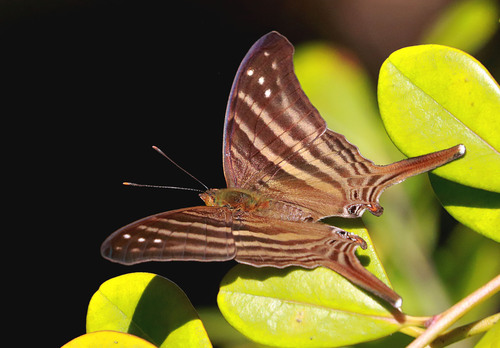
Marpesia zerynthia, the waiter, is a species of butterfly in the family Nymphalidae. Primarily found in Mesoamerica, it can also be observed in regions slightly north and south of this area. The distribution of Marpesia zerynthia is limited to the Neotropical realm. Specifically, it is known to occur in the South American countries of Peru, Bolivia, Colombia and northern Brazil. It also occurs in Mesoamerica, including central Mexico, and vagrants may rarely be observed as far north as Texas, United States. This species inhabits tropical deciduous and evergreen forests, and maycan be found in open areas. Marpesia zerynthia occurs at altitudes up to 2,400 m. It is generally a cloud-forest species, and so it is most common between approximately 800 to 1,800 m.

Eggs are laid singly on the leaves of trees and shrubs in the family Moraceae, which includes the genera Ficus (figs), Chlorophora, Brosimum and Artocarpus. Conical in shape, the eggs have 11 vertical ribs, as well as many less prominent horizontal ribs. The horizontal ribs are spaced further apart from each other, the further they are from the top of the egg. A micropyle is located at... Wikipedia →
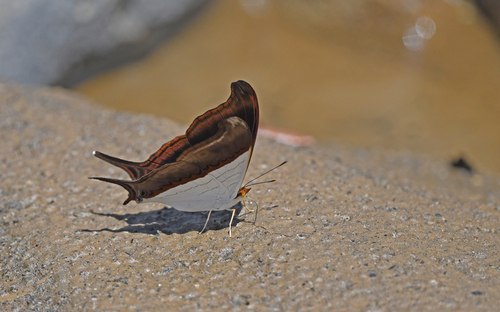
Global Distribution

Parks Where Found

# Park Country Daily sighting probability
1 Cusuco National Park 🇭🇳 Honduras
~30%
2 Itatiaia National Park 🇧🇷 Brazil
~20%
3 Podocarpus National Park 🇪🇨 Ecuador
~20%
4 Serra dos Órgãos National Park 🇧🇷 Brazil
~20%
5 Farallones de Cali National Natural Park 🇨🇴 Colombia
~10%
6 Chirripó National Park 🇨🇷 Costa Rica
~10%
7 Los Nevados National Natural Park 🇨🇴 Colombia
~10%
8 La Amistad International Park (Panama) 🇵🇦 Panama
~10%

Before you go

What are the chances of seeing a Waiter Daggerwing in Serra dos Órgãos National Park?

Possible

About 20% of wildlife watchers report a Waiter Daggerwing sighting in Serra dos Órgãos National Park on a given day, based on 8 verified sightings from GBIF citizen-science data from 2019 to 2026. It is the 39th most-seen of the 117 insects we can rate there. Over three days the chance rises to about 40%, and over a week to about 70%, if each day is a fresh chance.

When is the best time to see a Waiter Daggerwing in Serra dos Órgãos National Park?

March

In that month about 40% of wildlife watchers report a Waiter Daggerwing in Serra dos Órgãos National Park on a given day, against under 5% in February and June–October, the lowest months.

What time of day is best to see a Waiter Daggerwing?

Between 10 am and 1 pm

Across all the parks we cover, that three-hour window holds the most Waiter Daggerwing sightings with a recorded time, and about 9 in 10 of them come between 6 am and 6 pm: it is a daytime animal.

Is Serra dos Órgãos National Park the best place to see a Waiter Daggerwing?

4th of 8

Of the 8 parks where we can rate Waiter Daggerwing sightings, Serra dos Órgãos National Park ranks 4th at about 20%. The best odds are in Cusuco National Park (Honduras, about 30%), Itatiaia National Park (Brazil, about 20%) and Podocarpus National Park (Ecuador, about 20%).

Which relatives of the Waiter Daggerwing live in Serra dos Órgãos National Park?

Same genus: Marpesia

The closest relatives of the Waiter Daggerwing that you can see in Serra dos Órgãos National Park (genus Marpesia, Daggerwings) are Ruddy Daggerwing (about 20%) and Many-Banded Daggerwing (about 10%), with each one's daily chance of a sighting.

Where does the Waiter Daggerwing sighting chance come from?

GBIF citizen-science records

It is estimated from how often the Waiter Daggerwing is recorded against all the insects logged in Serra dos Órgãos National Park (8 verified sightings from 2019 to 2026), calibrated against known sighting rates. Figures are rounded to the nearest 10% because citizen-science data supports honest approximations, not decimals, and months with records from fewer than five people show "—". How it works.

← Back to Serra dos Órgãos National Park