



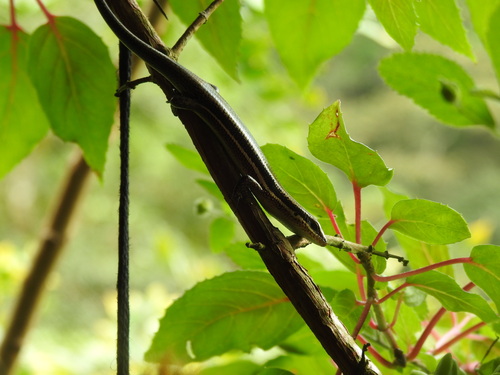


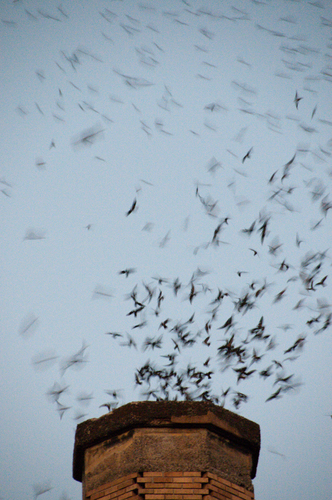


All 5 in 3 days here: ~20%
Chirripó National Park
🇨🇷 Costa Rica
Talamanca Highlands, Costa Rica 1082 spp. recorded
Chirripó protects Costa Rica's highest peak — Cerro Chirripó at 3,820 m (12,530 ft) — and the country's only páramo ecosystem, an alpine tundra of shrubs and grasses found nowhere else in Central America at this latitude. The park shelters the largest population of Baird's tapir in the country, along with pumas, jaguars, and over 400 bird species including the Resplendent Quetzal, Fiery-throated Hummingbird, and the endemic Volcano Junco.
9.540° N 83.493° W
🦜 Nature

541 Species sighted
52,208 Verified sightings From 2019 to 2026
Mar Best month
⭐ Iconic Species
📊 Most Spotted
⭐ Iconic Species
📊 Most Spotted
⭐ Iconic Species
📊 Most Spotted
📊 Most Spotted
📊 Most Spotted
📊 Most Spotted
🌙 Most active after dark
+ 642 more species with insufficient data
Challenges you can complete here
Recent sightings in Chirripó National Park
LIVEiNaturalistSighting Calendar
How many species you'd see in a day
53Jan
56Feb
62Mar
50Apr
44May
48Jun
47Jul
39Aug
36Sep
45Oct
54Nov
52Dec
Sighting Zones
Warmer areas are where all species together are recorded most often.
-
Hotel de Montaña El Pelicano
Daily sight. prob.vs avg Central American Agouti~80%+60%
 Warszewitsch's Frog~80%+50%
 Variegated Squirrel~70%+50%
 Scarlet-rumped Tanager~60%≈
 Palm Tanager~60%+10%
 Blue-gray Tanager~60%+10%
 Rufous-tailed Hummingbird~60%≈
 White-nosed Coati~60%+30%
 Great Kiskadee~50%+10%
 Silver-throated Tanager~50%≈
 Golden-hooded Tanager~50%≈
 Red-tailed Squirrel~50%+20%
-
Las Nubes Cloud forest
Daily sight. prob.vs avg- Rufous-tailed Hummingbird~60%≈
- Scarlet-rumped Tanager~60%-10%
 Gray-headed Chachalaca~60%+20%
- Silver-throated Tanager~50%≈
 Giant Marine Toad~50%+30%
 Emerald Glass Frog~50%+20%
 Masked Tree Frog~50%+40%
 Golden-groined Robber Frog~50%+30%
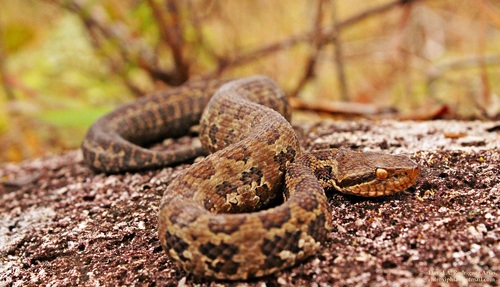
 Blotched Palm-pitviper~50%+40%
- Golden-hooded Tanager~50%-10%
 Speckled Tanager~40%+10%
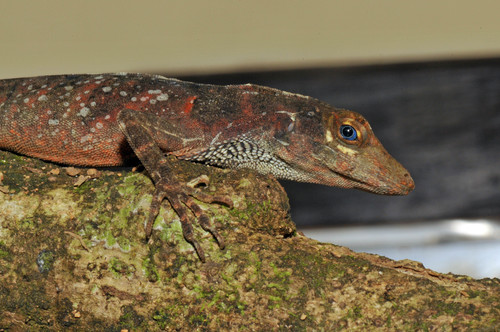
 Many-scaled Anole~40%+10%
-
Cloudbridge Nature Reserve
Daily sight. prob.vs avg- Silver-throated Tanager~60%≈
- Emerald Glass Frog~60%+20%
- White-nosed Coati~50%+30%
- Scarlet-rumped Tanager~50%-10%
- Many-scaled Anole~50%+20%
- Golden-hooded Tanager~50%≈
- Speckled Tanager~50%+10%
- Rufous-tailed Hummingbird~50%-10%
 Buff-throated Saltator~50%≈
- Red-tailed Squirrel~50%+20%
- Palm Tanager~50%≈
- Blue-gray Tanager~50%-10%
-
Cerro Chirripó
Daily sight. prob.vs avg Emerald Swift>90%+50%
 Central American Spider Monkey~50%+40%
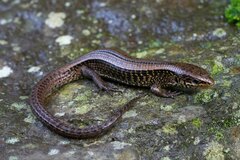 Montane Alligator Lizard~50%+40%
 Black-tailed Worm Snake~50%+30%
- White-nosed Coati~30%≈
- Golden-groined Robber Frog~30%+10%
 Clay-colored Thrush~10%-40%
- Blue-gray Tanager~10%-50%
- Rufous-tailed Hummingbird<5%-50%
- Scarlet-rumped Tanager<5%-60%
- Silver-throated Tanager<5%-50%
 Resplendent Quetzal<5%≈
-
Camino al Chirripó · Km 11 hasta Km 14
Daily sight. prob.vs avg- Emerald Swift>90%+50%
- Red-tailed Squirrel~50%+20%
- Montane Alligator Lizard~50%+30%
- Black-tailed Worm Snake~40%+20%
 Central American White-faced Capuchin~30%≈
- Resplendent Quetzal~10%+10%
- Clay-colored Thrush~10%-50%
- Silver-throated Tanager<5%-50%
 Violet Sabrewing<5%-30%
- Blue-gray Tanager<5%-50%
- Speckled Tanager<5%-40%
- Golden-hooded Tanager<5%-50%
🏕️ Experience
Essentials
Climate
Temp °C Rain mm
JanFebMarAprMayJunJulAugSepOctNovDec
0.0 Good
Wallace's Line Score
How good is this park for seeing wildlife? 🦜
Biodiversity
Very goodHow rich is the wildlife?
4.3
Species by taxon
🦅 Birds 663
🐒 Mammals 208
🦎 Reptiles 145
🐸 Amphibians 66
1082 Total Species
828 Global average across 316 parks
30 Threatened 82 Endemic
🔭
Sighting
GoodHow likely to see animals?
2.6
🎯
Top-12 Avg Probability
51% 📊
Coverage (228 species at ≥5% of 1082 in the inventory)
21% 🔀
Taxon variety in top 12 (11 bird, 1 reptile)
20% 🔭
Species per 10 outings (distinct species a visitor would meet over 10 outings — effort held equal across parks)
156 🌟
Iconic-group species (≥15%) (every species from the 19 iconic groups — monkeys, cats, toucans, macaws, sloths, crocodilians… — not just the 4 highlighted above)
7 ⭐
High-prob species (>40%)
14 🏕️
Experience
GoodHow easy and pleasant is the visit?
2.8
Climate Harsh Low
Entrance Paid Low
Tourism High Low
Trails Hard Low
World Heritage Yes Bonus
What visitors say
Above the clouds and into the páramo We saw lots of birds on our ascent, including Sooty Thrush, an American Black Vulture and the bright green Sulphur-winged Parakeet (below).
This week, I hiked Cerro Chirripó, the tallest mountain in Costa Rica, and the highest point of the Cordillera de Talamanca mountain range.
We continued, going up and up until on our left was the magnificent Lake Valley, and further on the horizon, we could already see the small lights of the tourists on the top of Chirripó, those who had come to see the sunrise on the summit, it was also our intention but the sunrise found us on the slopes of the peak.
- Chirripó National Park which is famous for its hikes to the top of the highest mountain in Costa Rica, but I’m not up to that now.
Before you go
What animals can you see in Chirripó National Park?
1,082 species
Chirripó National Park has 1,082 recorded vertebrate species. The ones wildlife watchers report most often on a given day are Scarlet-rumped Tanager (about 60%), Rufous-tailed Hummingbird (about 60%), Silver-throated Tanager (about 60%), Clay-colored Thrush (about 60%) and Golden-hooded Tanager (about 50%). Among mammals, the most-seen is White-nosed Coati (about 30%); among reptiles, Emerald Swift (about 50%); among amphibians, Emerald Glass Frog (about 30%).
When is the best time to visit Chirripó National Park for wildlife?
January and June
In those months the park's 12 most-seen species average about 60% on a given day, against about 40% in May and August–September.
Can you see a Resplendent Quetzal in Chirripó National Park?
With luck
Under 5% of wildlife watchers report a Resplendent Quetzal sighting in Chirripó National Park on a given day, based on 171 verified sightings from GBIF citizen-science data from 2019 to 2026. The best time is March to May (about 10%). Sightings take luck and time in the field.
Can you see a Scarlet-rumped Tanager in Chirripó National Park?
Yes
About 60% of wildlife watchers report a Scarlet-rumped Tanager sighting in Chirripó National Park on a given day, based on 1,041 verified sightings from GBIF citizen-science data from 2019 to 2026. The best time is February (about 80%).
Can you see a Violet Sabrewing in Chirripó National Park?
Yes
About 30% of wildlife watchers report a Violet Sabrewing sighting in Chirripó National Park on a given day, based on 463 verified sightings from GBIF citizen-science data from 2019 to 2026. The best time is June (about 50%).
Can you see a Central American White-faced Capuchin in Chirripó National Park?
Yes
About 20% of wildlife watchers report a Central American White-faced Capuchin sighting in Chirripó National Park on a given day, based on 19 verified sightings from GBIF citizen-science data from 2019 to 2026. The best time is November (about 40%).
Where in Chirripó National Park is wildlife easiest to see?
Around Hotel de Montaña El Pelicano
The richest sighting zone is around Hotel de Montaña El Pelicano, followed by Las Nubes Cloud forest and Cloudbridge Nature Reserve, ranked by how many of the park's headline animals visitors can expect to see in each. See the zones on the map.
Is Chirripó National Park good for wildlife watching?
3.1 out of 5
On the Wallace's Line Score, Chirripó National Park rates 3.1/5: 270th of 316 parks worldwide and 43rd in Central America. 25 of its species are reported by about 40% or more of wildlife watchers on a given day.