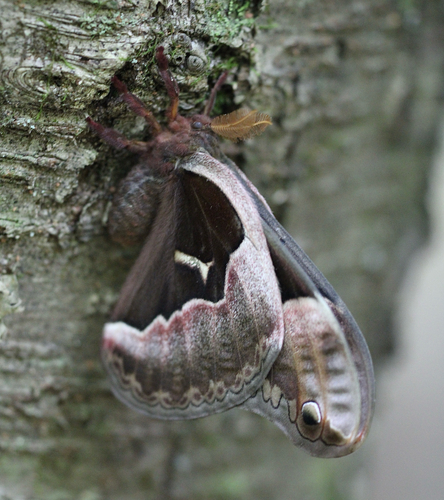
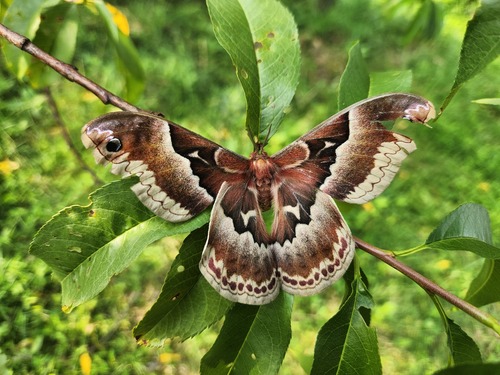
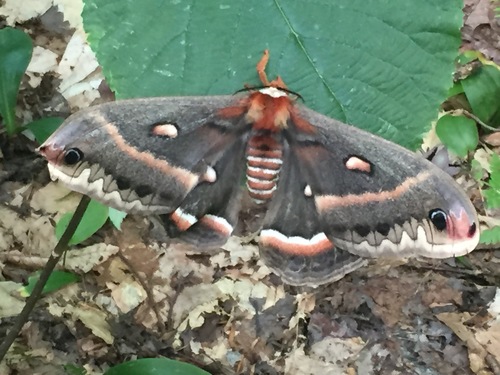
Orange-Tipped Oakworm Moth

Orange-Tipped Oakworm Moth

Anisota senatoria

Daily sighting probability ~10% · With luck
at Shenandoah National Park

In 3 days ~20% in a week ~40%

17 Verified sightings at Shenandoah National Park From 2019 to 2026
26 In all 2 parks
August Best month
☀️ Diurnal When it's spotted

About the Orange-Tipped Oakworm Moth

Anisota senatoria, the orangestriped oakworm, also known as the orange-tipped oakworm, is a Nearctic moth of the family Saturniidae and subfamily Ceratocampinae. It is one of the more common Saturniids, reaching pest status occasionally in the northern parts of its range. As they are late-season feeders, however, they do little lasting damage to their hosts (most of the has been stored already). It is very similar to A. finlaysoni in southern Ontario and A. peigleri in the southern US. The species was first described by James Edward Smith in 1797.

The species lives in eastern North America, from the edge of the Great Plains to the east coast and from southern Ontario to central Georgia, Alabama and eastern Texas. They are found in northern Florida, but are more common in the north.

There is only one brood a year. Eggs are laid on the underside of leaves in large clusters. They take one to two weeks to hatch. Larvae are gregarious in the early instars and often do not disperse much in the late instars. The fifth instar is black with yellow-orange stripes on its side, and prominent spiny horns on the second segment of the thorax, about... Wikipedia →

Global Distribution

Parks Where Found

# Park Country Daily sighting probability
1 Shenandoah National Park 🇺🇸 United States
~10%
2 Great Smoky Mountains National Park 🇺🇸 United States
<5%

Cities Where Found

# City Country Daily sighting probability
1 Washington 🇺🇸 United States
<5%
2 New York City 🇺🇸 United States
<5%

Before you go

What are the chances of seeing an Orange-Tipped Oakworm Moth in Shenandoah National Park?

With luck

About 10% of wildlife watchers report an Orange-Tipped Oakworm Moth sighting in Shenandoah National Park on a given day, based on 17 verified sightings from GBIF citizen-science data from 2019 to 2026. It is the 220th most-seen of the 723 insects we can rate there. Over three days the chance rises to about 20%, and over a week to about 40%, if each day is a fresh chance.

When is the best time to see an Orange-Tipped Oakworm Moth in Shenandoah National Park?

August

In that month about 20% of wildlife watchers report an Orange-Tipped Oakworm Moth in Shenandoah National Park on a given day, against under 5% in October to June, the lowest months.

What time of day is best to see an Orange-Tipped Oakworm Moth?

Between 11 am and 2 pm

Across all the parks we cover, that three-hour window holds the most Orange-Tipped Oakworm Moth sightings with a recorded time, and about 9 in 10 of them come between 6 am and 6 pm: it is a daytime animal.

Is Shenandoah National Park the best place to see an Orange-Tipped Oakworm Moth?

Yes

Of the 2 parks where we can rate Orange-Tipped Oakworm Moth sightings, Shenandoah National Park has the highest daily chance: about 10%. Next come Great Smoky Mountains National Park (United States, under 5%).

Which relatives of the Orange-Tipped Oakworm Moth live in Shenandoah National Park?

Same family: Saturniidae

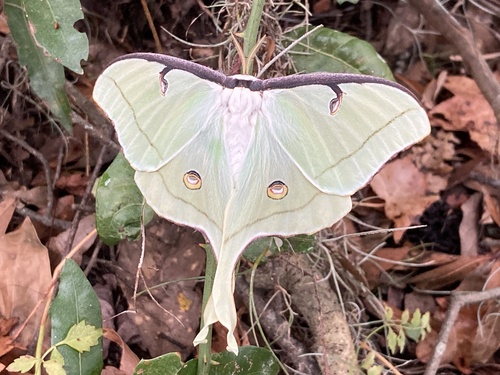
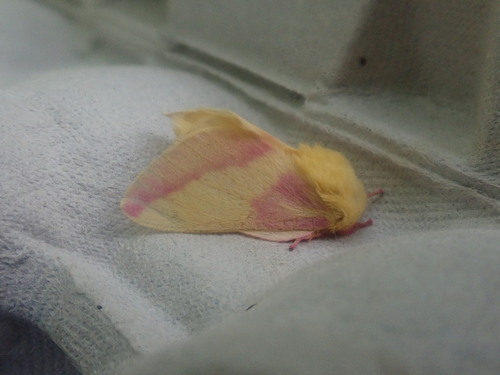
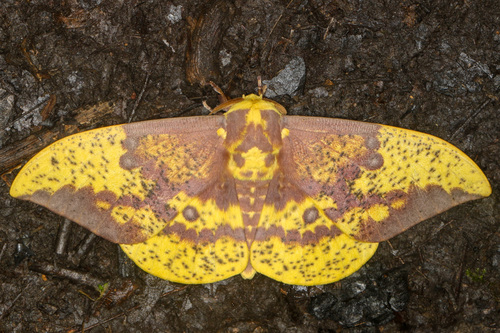
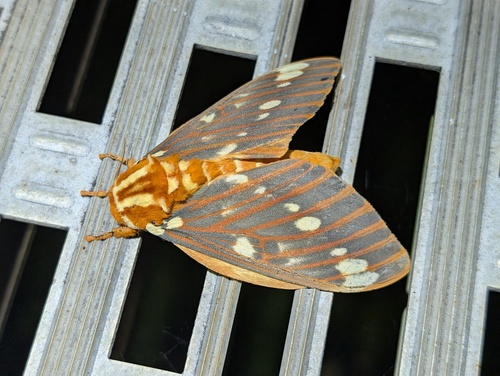
The closest relatives of the Orange-Tipped Oakworm Moth that you can see in Shenandoah National Park (family Saturniidae, Emperor and Giant Silk Moths) are North American Luna Moth (about 20%), Rosy Maple Moth (about 20%) and Imperial Moth (about 10%), with each one's daily chance of a sighting.

Where does the Orange-Tipped Oakworm Moth sighting chance come from?

GBIF citizen-science records

It is estimated from how often the Orange-Tipped Oakworm Moth is recorded against all the insects logged in Shenandoah National Park (17 verified sightings from 2019 to 2026), calibrated against known sighting rates. Figures are rounded to the nearest 10% because citizen-science data supports honest approximations, not decimals, and months with records from fewer than five people show "—". How it works.

← Back to Shenandoah National Park