Giant Willow Aphid

Giant Willow Aphid

Tuberolachnus salignus

Daily sighting probability ~10% · With luck
at Snowdonia National Park

In 3 days ~20% in a week ~40%

6 Verified sightings at Snowdonia National Park From 2019 to 2026
14 In all 2 parks
November Best month
☀️ Diurnal When it's spotted

About the Giant Willow Aphid

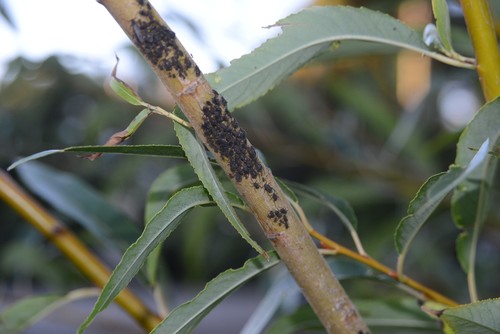
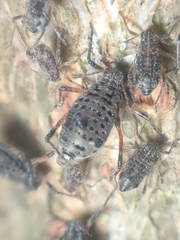
Tuberolachnus salignus, the giant willow aphid, is a species of aphid, in the genus Tuberolachnus. They are reputed to be the largest aphids, with a body length of up to 5.8mm. First described by Johann Friedrich Gmelin in 1790, it feeds on many species of willow (Salix species), and has one known host-specific parasite, Pauesia salignae.

Tuberolachnus salignus does not require a male for reproduction. Only females have ever been recorded, which suggests that reproduction is parthenogenetic and all offspring produced are genetically identical clones. Adults exhibit a pear-shaped body with dark brown/grayish coloration. This aphid species has distinct black dots that form rows along its body. Along the dorsal side of their abdomen, about 2/3 of the way down, T. salignus displays a defining single large conical tubercle or bump that resembles a thorn which can grow to 0.2-0.3 mm. Closer to the posterior and along the sides of the body are two smaller black cone structures (siphunculi).

Tuberolachnus salignus reproduces solely through parthenogenesis so all aphid adults are female. Adults can be either winged or wingless. The two pairs of wings are clear with a dark brown... Wikipedia →

Global Distribution

Parks Where Found

# Park Country Daily sighting probability
1 Snowdonia National Park 🇬🇧 United Kingdom
~10%
2 Wadden Sea National Park 🇩🇪 Germany
<5%

Cities Where Found

# City Country Daily sighting probability
1 London 🇬🇧 United Kingdom
~10%
2 Auckland 🇳🇿 New Zealand
~10%
3 Amsterdam 🇳🇱 Netherlands
<5%
4 Birmingham 🇬🇧 United Kingdom
<5%
5 Berlin 🇩🇪 Germany
<5%
6 Paris 🇫🇷 France
<5%
7 Bogota 🇨🇴 Colombia
<5%
8 Melbourne 🇦🇺 Australia
<5%
9 Buenos Aires 🇦🇷 Argentina
<5%
10 Moscow 🇷🇺 Russia
<5%

Before you go

What are the chances of seeing a Giant Willow Aphid in Snowdonia National Park?

With luck

About 10% of wildlife watchers report a Giant Willow Aphid sighting in Snowdonia National Park on a given day, based on 6 verified sightings from GBIF citizen-science data from 2019 to 2026. It is the 294th most-seen of the 387 insects we can rate there. Over three days the chance rises to about 20%, and over a week to about 40%, if each day is a fresh chance.

When is the best time to see a Giant Willow Aphid in Snowdonia National Park?

November

In that month about 40% of wildlife watchers report a Giant Willow Aphid in Snowdonia National Park on a given day, against under 5% in September and December–July, the lowest months.

What time of day is best to see a Giant Willow Aphid?

Between 1 and 4 pm

Across all the parks we cover, that three-hour window holds the most Giant Willow Aphid sightings with a recorded time, and about 8 in 10 of them come between 6 am and 6 pm: it is a daytime animal.

Is Snowdonia National Park the best place to see a Giant Willow Aphid?

Yes

Of the 2 parks where we can rate Giant Willow Aphid sightings, Snowdonia National Park has the highest daily chance: about 10%. Next come Wadden Sea National Park (Germany, under 5%).

Which relatives of the Giant Willow Aphid live in Snowdonia National Park?

Same order: Hemiptera

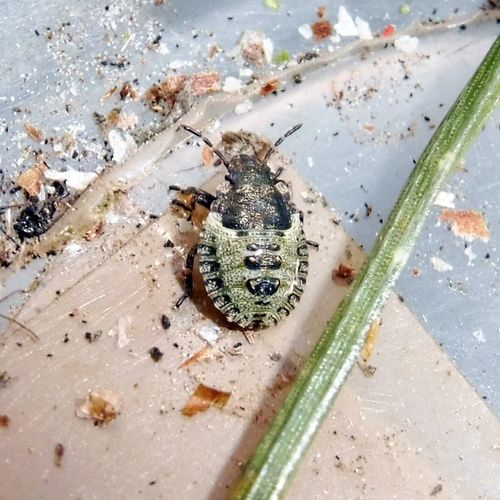
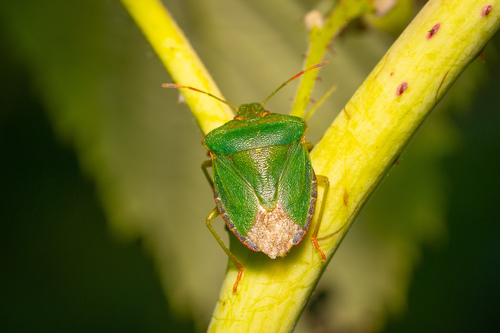
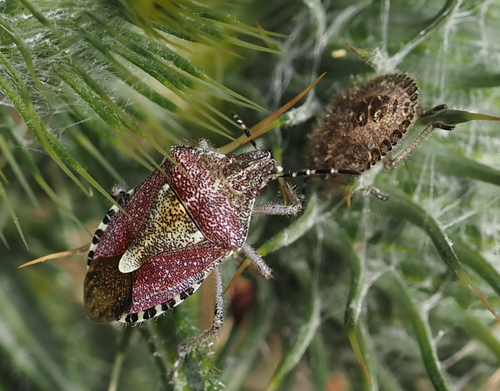
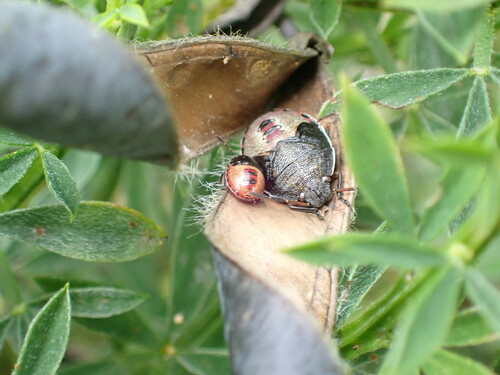
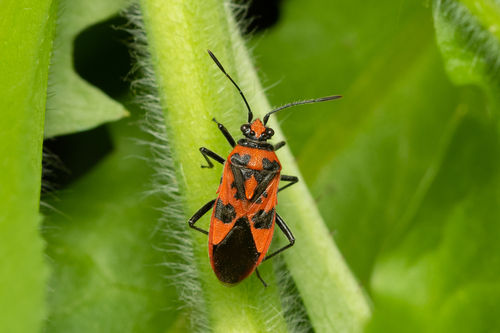
The closest relatives of the Giant Willow Aphid that you can see in Snowdonia National Park (order Hemiptera, True Bugs, Hoppers, Aphids, and allies) are Forest Bug (about 20%), Green Shield Bug (about 20%) and Dock Bug (about 10%), with each one's daily chance of a sighting.

Where does the Giant Willow Aphid sighting chance come from?

GBIF citizen-science records

It is estimated from how often the Giant Willow Aphid is recorded against all the insects logged in Snowdonia National Park (6 verified sightings from 2019 to 2026), calibrated against known sighting rates. Figures are rounded to the nearest 10% because citizen-science data supports honest approximations, not decimals, and months with records from fewer than five people show "—". How it works.

← Back to Snowdonia National Park