Hoatzin

Hoatzin

Opisthocomus hoazin

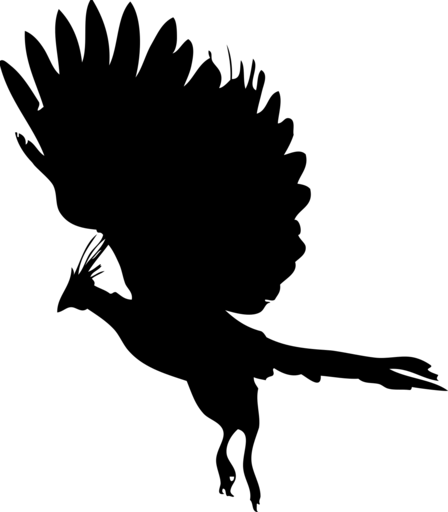
Silhouette: Warren H (photography), T. Michael Keesey (vectorization) · PhyloPic

LCLeast ConcernNTVUENCR
Daily sighting probability ~10% · With luck
at Tambopata National Reserve

In 3 days ~40% in a week ~70%

647 Verified sightings at Tambopata National Reserve From 2019 to 2026
5,752 In all 7 parks
May Best month
☀️ Diurnal When it's spotted

About the Hoatzin

The hoatzin ( WAHT-sin, -⁠seen; also HO-tsin and hoh-AT-sin) (Opisthocomus hoazin) is a species of tropical bird found in swamps, riparian forests, and mangroves of the Amazon and Orinoco Basins in South America. It is the only extant species in the genus Opisthocomus which is the only extant genus in the family Opisthocomidae under the order Opisthocomiformes. Despite being the subject of intense debate by specialists, the taxonomic position of this family is still far from clear.

The hoatzin is notable for its chicks having primitive claws on two of their wing digits. It is unique among birds in possessing a digestive system that significantly supports the fermentation and the effective breakdown of plant matter, a trait more commonly known from herbivorous ungulate-ruminant mammals and some primates. This bird is also the national bird of Guyana, where the local name for this bird is Canje pheasant.

The hoatzin is pheasant-sized, with a total length of 65 cm (26 in), and a long neck and small head. It has an unfeathered, blue face with maroon eyes, and its head is topped by a spiky, rufous crest. The long, sooty-brown tail is bronze-green tipped with a broad,... Wikipedia →

Sounds

Call0:10

Ecuador · 2024

© Manuel Sánchez-Nivicela · XC1161720 · CC BY-NC-ND 4.0

Alarm call0:57

Peru · 2018

© Rolf A. de By · XC463656 · CC BY-NC-SA 4.0

Song0:20

Brazil · 2018

© JAYRSON ARAUJO DE OLIVEIRA · XC440927 · CC BY-NC-SA 4.0

Global Distribution

Parks Where Found

# Park Country Daily sighting probability
1 Cuyabeno Wildlife Reserve 🇪🇨 Ecuador
~70%
2 Yasuní National Park 🇪🇨 Ecuador
~50%
3 Manu National Park 🇵🇪 Peru
~40%
4 Anavilhanas National Park 🇧🇷 Brazil
~20%
5 Sierra de la Macarena National Park 🇨🇴 Colombia
~20%
6 Tambopata National Reserve 🇵🇪 Peru
~10%
7 Amacayacu National Natural Park 🇨🇴 Colombia
<5%

Before you go

What are the chances of seeing a Hoatzin in Tambopata National Reserve?

With luck

About 10% of wildlife watchers report a Hoatzin sighting in Tambopata National Reserve on a given day, based on 647 verified sightings from GBIF citizen-science data from 2019 to 2026. It is the 79th most-seen of the 550 birds we can rate there. Over three days the chance rises to about 40%, and over a week to about 70%, if each day is a fresh chance.

When is the best time to see a Hoatzin in Tambopata National Reserve?

February, April–June, September and December

In those months about 20% of wildlife watchers report a Hoatzin in Tambopata National Reserve on a given day, against about 10% in January, March, July–August and October–November, the lowest months.

What time of day is best to see a Hoatzin?

Between 3 and 6 pm

Across all the parks we cover, that three-hour window holds the most Hoatzin sightings with a recorded time, and about 9 in 10 of them come between 6 am and 6 pm: it is a daytime animal.

Where does the Hoatzin sighting chance come from?

GBIF citizen-science records

It is estimated from how often the Hoatzin is recorded against all the birds logged in Tambopata National Reserve (647 verified sightings from 2019 to 2026), calibrated against known sighting rates. Figures are rounded to the nearest 10% because citizen-science data supports honest approximations, not decimals, and months with records from fewer than five people show "—". How it works.

← Back to Tambopata National Reserve