
Completed


Common Birdwing
Troides helena
- KingdomAnimalia (Animals)
- PhylumArthropoda (Arthropods)
- ClassInsecta (Insects)
- OrderLepidoptera (Butterflies and Moths)
- FamilyPapilionidae (Swallowtails and Parnassians)
- GenusTroides
- SpeciesTroides helena (Common Birdwing)
In 3 days ~90% in a week >90%
40 Verified sightings at Tangkoko Nature Reserve From 2019 to 2026
91 In all 6 parks
November Best month
☀️ Diurnal When it's spotted
About the Common Birdwing
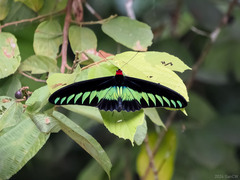
Troides helena, the common birdwing, is a butterfly belonging to the family Papilionidae. It is often found in the wildlife trade due to its popularity with butterfly collectors. The butterfly has seventeen subspecies. The description of the commonest subspecies of the butterfly in India, T. h. cerberus Felder, is given below:
Upperside of forewings are rich velvety black with adnervular pale streaks on either side of the veins beyond the cell. The cilia is short, black, alternated with pale buffy white in the middle of the interspaces. Hindwing: the abdominal fold, the apical half obliquely of interspace 1, the termen broadly, the base of the cell and the costal area up to and including the basal half of interspace 7 velvety black, the rest of the wing rich silky yellow; the veins prominently but narrowly black; the inner margin of the terminal black border produced inwards into prominent cone-shaped markings in the interspaces.
All specimens have one or more postdiscal black spots in the interspaces, but never a complete series; in interspace 2 and sometimes also in interspace 3 these spots coalesce with the cone-shaped projections of the terminal black... Wikipedia →
Recent sightings of Common Birdwing in Tangkoko Nature Reserve
LIVEiNaturalistGlobal Distribution
Parks Where Found
| # | Park | Country | Daily sighting probability |
|---|---|---|---|
| 1 | Tangkoko Nature Reserve | 🇮🇩 Indonesia | |
| 2 | Danum Valley Conservation Area | 🇲🇾 Malaysia | |
| 3 | Khao Yai National Park | 🇹🇭 Thailand | |
| 4 | Kinabalu Park | 🇲🇾 Malaysia | |
| 5 | Cat Tien National Park | 🇻🇳 Vietnam | |
| 6 | Doi Inthanon National Park | 🇹🇭 Thailand |
Cities Where Found
| # | City | Country | Daily sighting probability |
|---|---|---|---|
| 1 | Yogyakarta | 🇮🇩 Indonesia | |
| 2 | Kuching | 🇲🇾 Malaysia | |
| 3 | Singapore | 🇸🇬 Singapore | |
| 4 | Kuala Lumpur | 🇲🇾 Malaysia | |
| 5 | Jakarta | 🇮🇩 Indonesia | |
| 6 | Hong Kong | 🇨🇳 China |
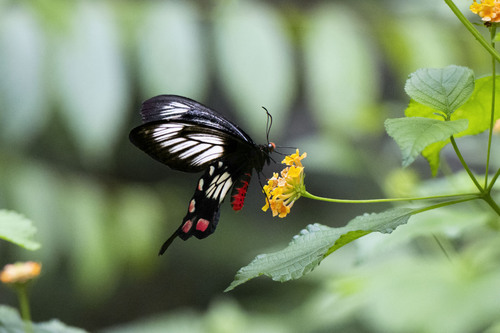
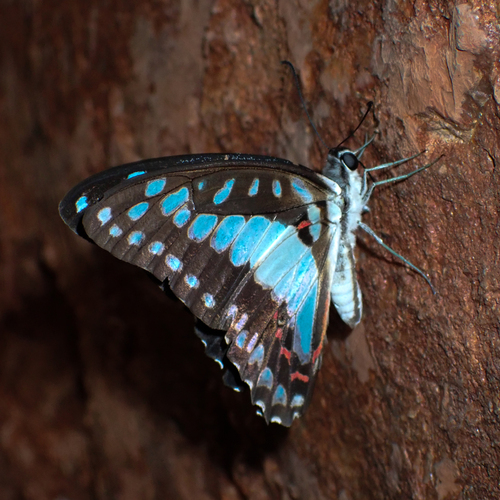
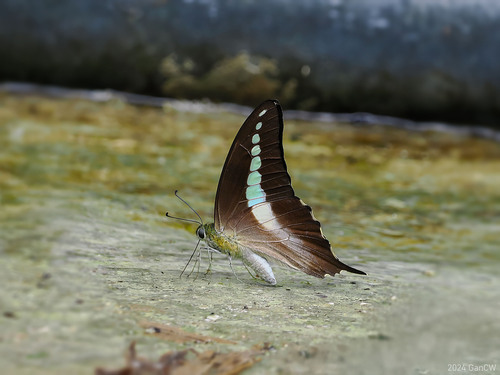
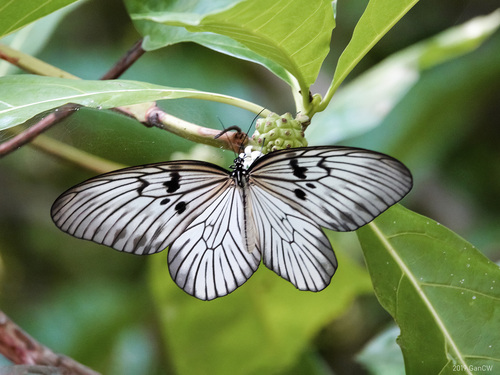
Closest Relatives at Tangkoko Nature Reserve
Before you go
What are the chances of seeing a Common Birdwing in Tangkoko Nature Reserve?
Likely
About 50% of wildlife watchers report a Common Birdwing sighting in Tangkoko Nature Reserve on a given day, based on 40 verified sightings from GBIF citizen-science data from 2019 to 2026. It is the most-seen of the 38 insects we can rate there. Over three days the chance rises to about 90%, and over a week to over 90%, if each day is a fresh chance.
When is the best time to see a Common Birdwing in Tangkoko Nature Reserve?
June–July and October–November
In those months about 60% of wildlife watchers report a Common Birdwing in Tangkoko Nature Reserve on a given day, against about 10% in March, the lowest month.
What time of day is best to see a Common Birdwing?
Between 9 am and noon
Across all the parks we cover, that three-hour window holds the most Common Birdwing sightings with a recorded time, and about 9 in 10 of them come between 6 am and 6 pm: it is a daytime animal.
Is Tangkoko Nature Reserve the best place to see a Common Birdwing?
Yes
Of the 6 parks where we can rate Common Birdwing sightings, Tangkoko Nature Reserve has the highest daily chance: about 50%. Next come Danum Valley Conservation Area (Malaysia, about 20%) and Khao Yai National Park (Thailand, about 20%).
Which relatives of the Common Birdwing live in Tangkoko Nature Reserve?
Same family: Papilionidae
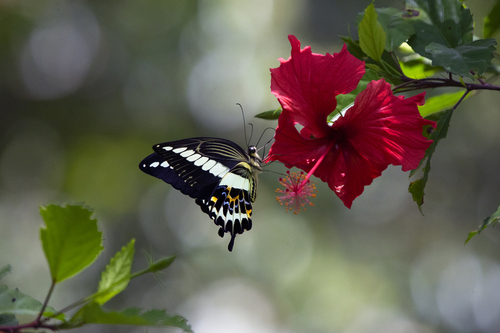
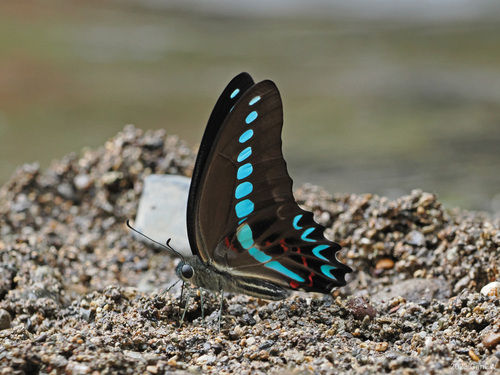
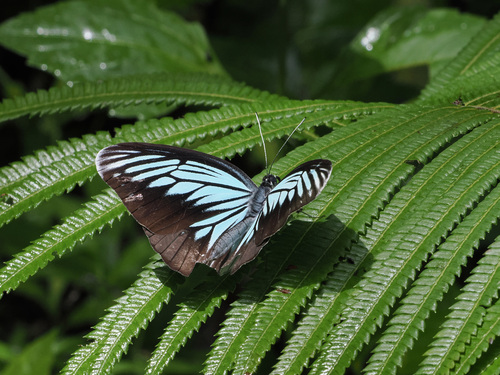
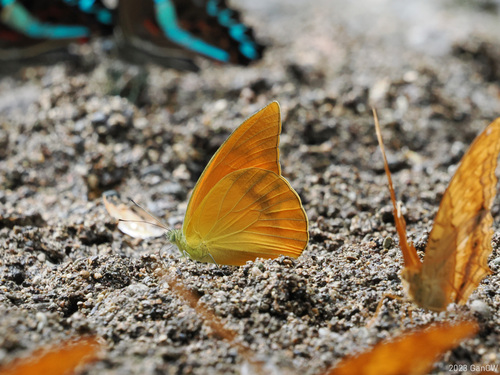
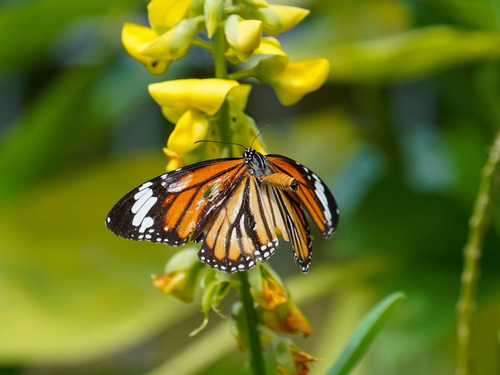
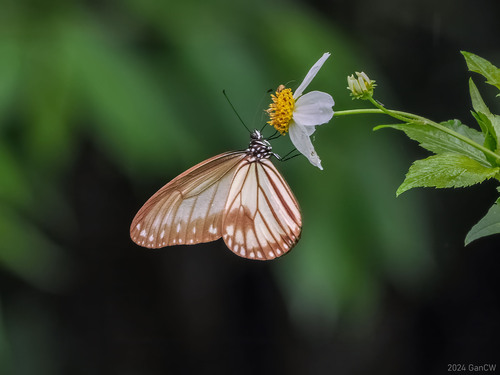
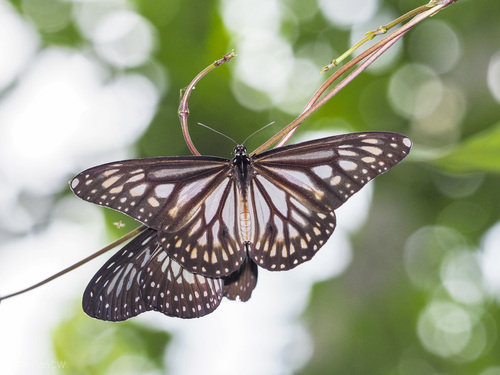
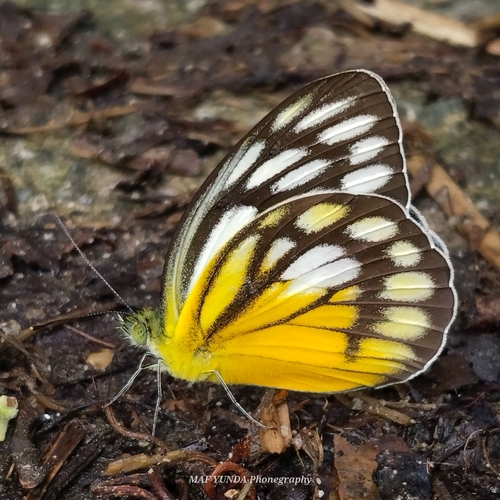
The closest relatives of the Common Birdwing that you can see in Tangkoko Nature Reserve (family Papilionidae, Swallowtails and Parnassians) are Celebes Banded Swallowtail (about 30%), Milon's Bluebottle (about 20%) and Pachliopta polyphontes (about 20%), with each one's daily chance of a sighting.
Where does the Common Birdwing sighting chance come from?
GBIF citizen-science records
It is estimated from how often the Common Birdwing is recorded against all the insects logged in Tangkoko Nature Reserve (40 verified sightings from 2019 to 2026), calibrated against known sighting rates. Figures are rounded to the nearest 10% because citizen-science data supports honest approximations, not decimals, and months with records from fewer than five people show "—". How it works.
