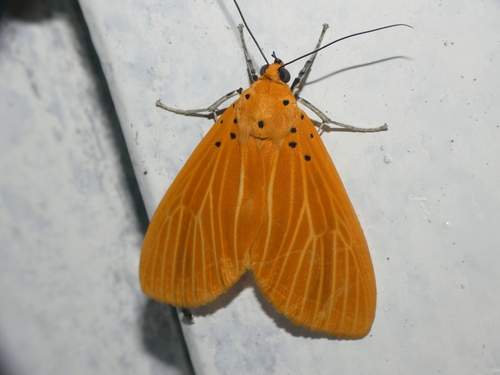
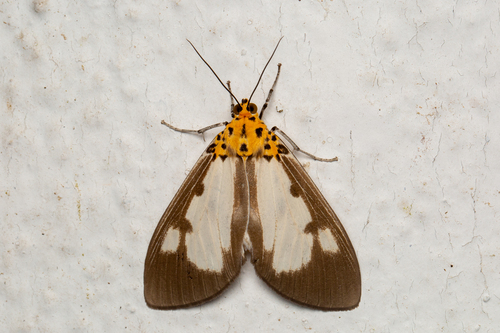
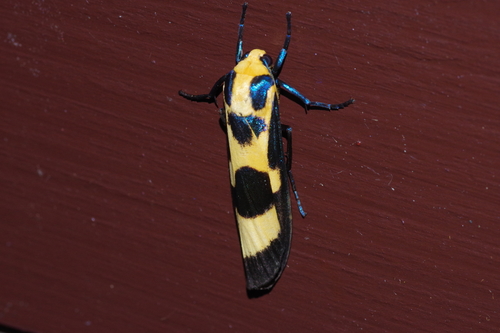
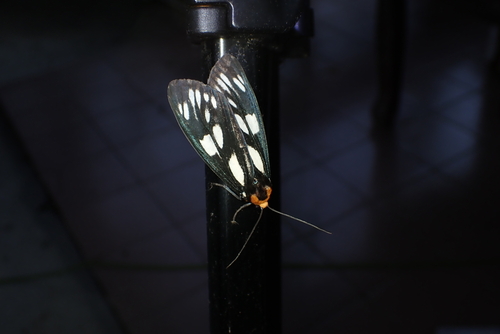
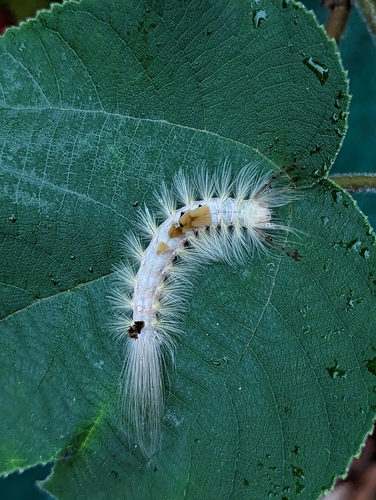
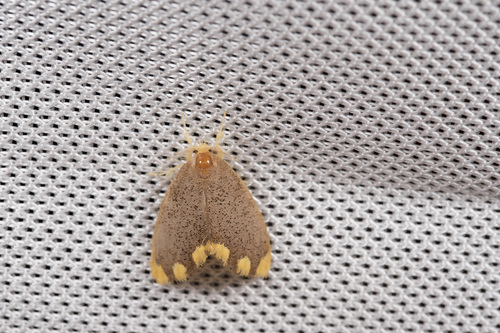
Asota heliconia
Daily sighting probability ~40% · Likely
at Taroko National Park

In 3 days ~80% in a week >90%

125 Verified sightings at Taroko National Park From 2019 to 2026
204 In all 4 parks
February Best month
☀️🌙 Day & Night When it's spotted

About the Asota heliconia

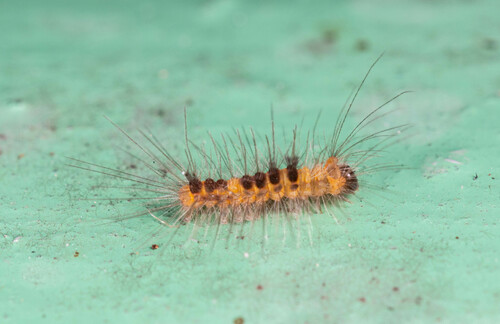
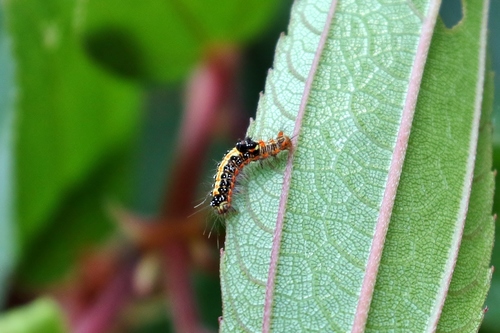
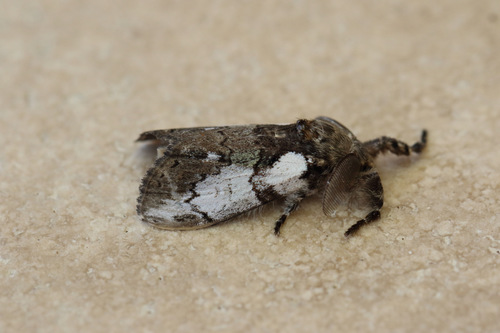
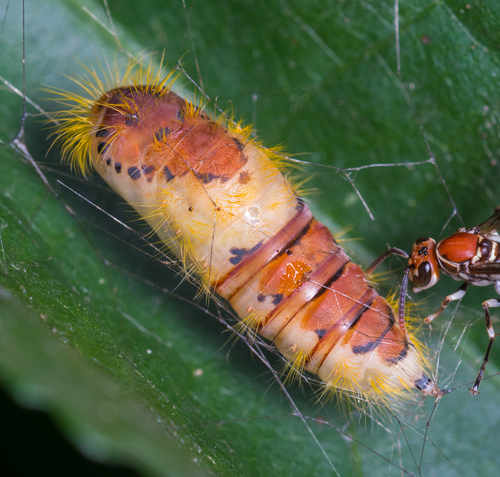
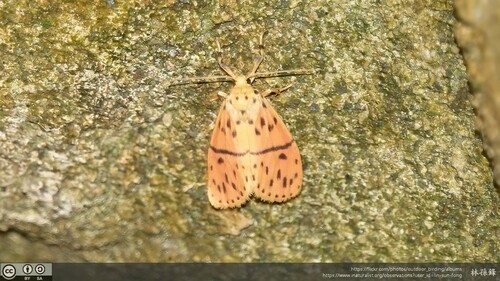
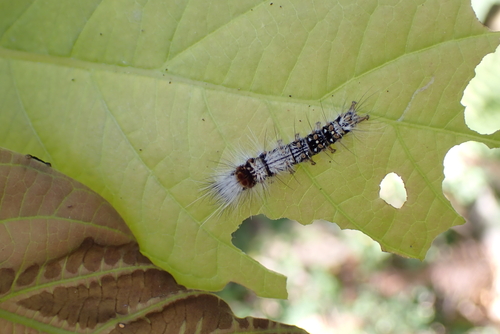
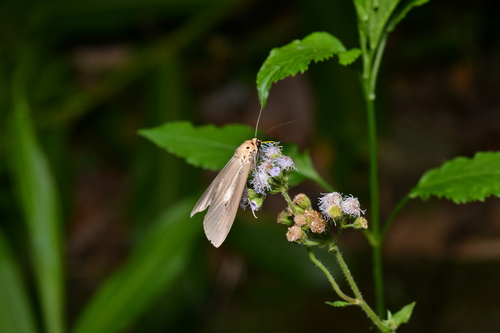
Asota heliconia is a moth in the family Erebidae. It is found from the Indo-Australian tropics east to Queensland and the Solomons. The wingspan is 52 mm. Larvae have been recorded on Averrhoa species. Asota heliconia atrata (Solomon Islands)

Asota heliconia bandana (Kayao island, Banda Elat) Asota heliconia clavata (China, India, Myanmar, Thailand, northern Vietnam) Asota heliconia dama (Australia, New Zealand) Asota heliconia dicta (China, Indonesia, Malaysia, Philippines)

Asota heliconia doryca (Indonesia, Papua New Guinea ) Asota heliconia enganensis (Enggano) Asota heliconia ghara (Kai Islands) Asota heliconia heliconia (China, India, Indonesia, Malaysia, Papua New Guinea, Taiwan) Asota heliconia intacta (Indonesia)

Asota heliconia kalaonica (Sulawesi) Asota heliconia kiriwinae (Trobiand Island) Asota heliconia lanceolata (Sulawesi) Asota heliconia latiradia (Babar island) Asota heliconia leuconeura (Indonesia, Papua New Guinea) Asota heliconia malisa (Indonesia)

Asota heliconia natunensis (Indonesia) Asota heliconia nicobarica (Nicobar Islands) Asota heliconia perimele (Indonesia) Asota heliconia philippina (Philippines) Asota heliconia sangirensis (Indonesia... Wikipedia →
Global Distribution

Parks Where Found

# Park Country Daily sighting probability
1 Taroko National Park 🇹🇼 Taiwan
~40%
2 Kinabalu Park 🇲🇾 Malaysia
~20%
3 Daintree National Park 🇦🇺 Australia
~20%
4 Raja Ampat 🇮🇩 Indonesia
~10%

Cities Where Found

# City Country Daily sighting probability
1 Davao City 🇵🇭 Philippines
~30%
2 Taipei 🇹🇼 Taiwan
~20%
3 Manila 🇵🇭 Philippines
~20%
4 Kaohsiung 🇹🇼 Taiwan
~10%
5 Yogyakarta 🇮🇩 Indonesia
~10%
6 Jakarta 🇮🇩 Indonesia
~10%
7 Taichung 🇹🇼 Taiwan
~10%
8 Hong Kong 🇨🇳 China
~10%
9 Tainan 🇹🇼 Taiwan
~10%
10 Tuen Mun 🇨🇳 China
~10%

Before you go

What are the chances of seeing an Asota heliconia in Taroko National Park?

Likely

About 40% of wildlife watchers report an Asota heliconia sighting in Taroko National Park on a given day, based on 125 verified sightings from GBIF citizen-science data from 2019 to 2026. It is the 9th most-seen of the 447 insects we can rate there. Over three days the chance rises to about 80%, and over a week to over 90%, if each day is a fresh chance.

When is the best time to see an Asota heliconia in Taroko National Park?

February and March

In those months about 60% of wildlife watchers report an Asota heliconia in Taroko National Park on a given day, against under 5% in October, the lowest month.

What time of day is best to see an Asota heliconia?

Between 8 and 11 am

Across all the parks we cover, that three-hour window holds the most Asota heliconia sightings with a recorded time, and about 7 in 10 of them come between 6 am and 6 pm: it is seen both by day and at night.

Is Taroko National Park the best place to see an Asota heliconia?

Yes

Of the 4 parks where we can rate Asota heliconia sightings, Taroko National Park has the highest daily chance: about 40%. Next come Kinabalu Park (Malaysia, about 20%) and Daintree National Park (Australia, about 20%).

Which relatives of the Asota heliconia live in Taroko National Park?

Same genus: Asota

The closest relatives of the Asota heliconia that you can see in Taroko National Park (genus Asota) are Poor Tiger Moth (about 20%) and Asota plana (about 10%), with each one's daily chance of a sighting.

Where does the Asota heliconia sighting chance come from?

GBIF citizen-science records

It is estimated from how often the Asota heliconia is recorded against all the insects logged in Taroko National Park (125 verified sightings from 2019 to 2026), calibrated against known sighting rates. Figures are rounded to the nearest 10% because citizen-science data supports honest approximations, not decimals, and months with records from fewer than five people show "—". How it works.

← Back to Taroko National Park