

















All 2 in 3 days here: ~80%
Raja Ampat
🇮🇩 Indonesia
Southeast Asia, Indonesia 920 spp. recorded
Raja Ampat is a remote protected archipelago in Southwest Asia, Indonesia, featuring dense tropical rainforests, mangrove fringes, and shallow coral shelves. Trails wind through thick coastal vegetation and lush jungle foliage beneath a humid canopy.
-0.245° S 130.733° E
🦜 Nature

413 Species sighted
40,019 Verified sightings From 2019 to 2026
Nov Best month
⭐ Iconic Species
📊 Most Spotted
⭐ Iconic Species
📊 Most Spotted
⭐ Iconic Species
📊 Most Spotted
📊 Most Spotted
📊 Most Spotted
⭐ Iconic Species
📊 Most Spotted
📊 Most Spotted
⭐ Iconic Species
🌙 Most active after dark
+ 674 more species with insufficient data
Challenges you can complete here
Recent sightings in Raja Ampat
LIVEiNaturalistSounds of Raja Ampat
Morning soundscape0:47
Indonesia · 2026
© Ding Li Yong · XC1166593 · CC BY-NC-ND 4.0
Sighting Calendar
How many species you'd see in a day
44Jan
49Feb
54Mar
47Apr
49May
42Jun
57Jul
60Aug
50Sep
61Oct
63Nov
47Dec
Sighting Zones
Warmer areas are where all species together are recorded most often.
-
South Beach
Daily sight. prob.vs avg Pacific Bluetail Skink~90%+40%
 Mangrove Monitor~80%+30%
 Brahminy Kite~80%+20%
 Brown Tree Snake~70%+40%
 Torresian Crow~60%+10%
 Green Sea Turtle~60%+10%
 Common House Gecko~60%+20%
 Indonesian Brown Skink Carlia~60%+20%
 Pacific Swallow~50%-10%
 Papuan Hornbill~40%-20%
 Rufous-bellied Kookaburra~20%-30%
 Lesser Frigatebird~10%-50%
-
West Waigeo birding road
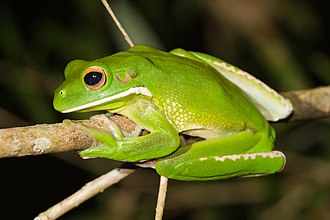
Daily sight. prob.vs avg White-lipped Treefrog~70%+20%
 Northern Common Cuscus~60%+30%
- Mangrove Monitor~60%≈
- Pacific Bluetail Skink~60%≈
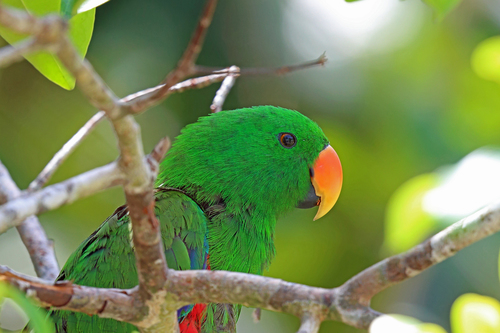
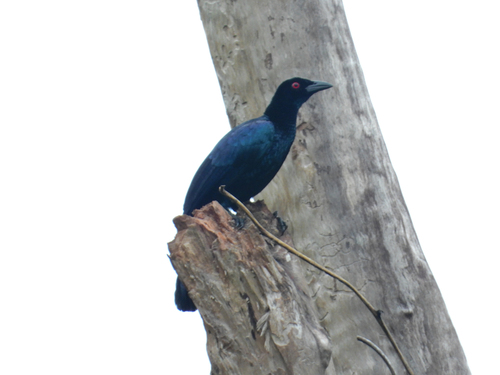
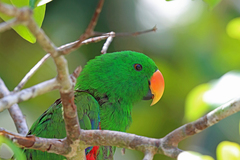 Red-sided Eclectus~50%-20%
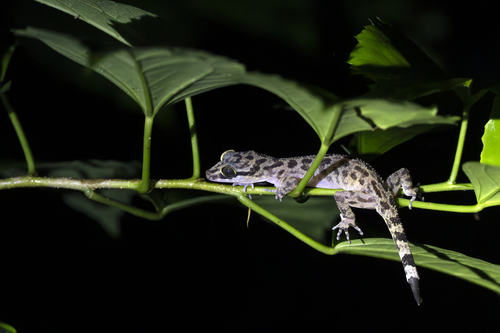
 Mourning Gecko~50%+10%
 Helmeted Friarbird~50%-10%
 Emerald Tree Skink~50%+10%
 Waigeou Cuscus~50%-20%
- Papuan Hornbill~50%-10%
 Striped Possum~50%+20%
 Littoral Whiptail-skink~50%+10%
-
Airport Bay (Waigeo)
Daily sight. prob.vs avg- White-lipped Treefrog~80%+30%
- Mangrove Monitor~70%+20%
- Pacific Bluetail Skink~60%+10%
- Northern Common Cuscus~60%+20%
- Striped Possum~50%+30%
- Waigeou Cuscus~50%-20%
- Common House Gecko~50%+20%
- Red-sided Eclectus~50%-30%
 Willie Wagtail~50%-30%
 Papua Wrinkled Ground Frog~40%+20%
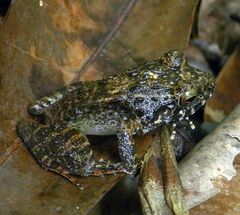 Batanta Wrinkled Ground Frog~40%+20%
 Hawksbill~40%-30%
🏕️ Experience
Essentials
Entrance
Paid
Tourism
Medium
Typical stay
4+
daysTrails
Moderate
World Heritage
No
Climate
Temp °C Rain mm
JanFebMarAprMayJunJulAugSepOctNovDec
0.0 World-class
Wallace's Line Score
How good is this park for seeing wildlife? 🦜
Biodiversity
ExcellentHow rich is the wildlife?
4.8
Species by taxon
🦅 Birds 578
🐒 Mammals 125
🦎 Reptiles 153
🐸 Amphibians 36
🦈 Sharks & Rays 28
920 Total Species
828 Global average across 316 parks
50 Threatened 101 Endemic
🔭
Sighting
ExcellentHow likely to see animals?
4.3
🎯
Top-12 Avg Probability
71% 📊
Coverage (252 species at ≥5% of 920 in the inventory)
27% 🔀
Taxon variety in top 12 (5 elasmobranch, 5 bird, 1 mammal, 1 reptile)
85% 🔭
Species per 10 outings (distinct species a visitor would meet over 10 outings — effort held equal across parks)
113 🌟
Iconic-group species (≥15%) (every species from the 19 iconic groups — monkeys, cats, toucans, macaws, sloths, crocodilians… — not just the 4 highlighted above)
27 ⭐
High-prob species (>40%)
37 🏕️
Experience
Very goodHow easy and pleasant is the visit?
3.6
Climate Mixed Medium
Entrance Paid Low
Tourism Medium Medium
Trails Moderate Medium
World Heritage No —
What visitors say
In one 24-hour period, we swum with manta rays, watched Bryde’s whales feeding and red birds-of-paradise displaying.
We also spotted Papuan pitta, orange-footed scrubfowl, Blyth’s hornbill, palm cockatoo, eclectus parrots, oriental dollarbirds, and even a coconut crab.
Over the course of 18 dives (17 day dives and one night dive), we encountered an astonishing variety of marine life, from giant oceanic manta rays and hulking Napoleon wrasse to tiny pygmy seahorses, colorful nudibranchs, shrimp, crocodile fish, turtles, sharks, and endless schools of fish numbering in the thousands.
Explore our excursions and book your Raja Ampat trip with us today.
Before you go
What animals can you see in Raja Ampat?
920 species
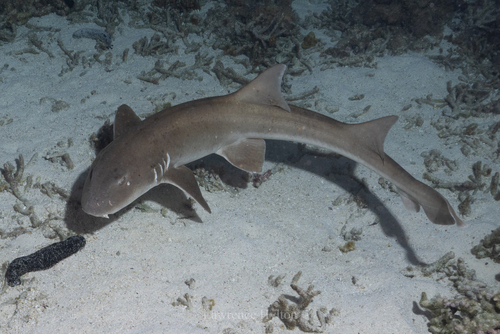
Raja Ampat has 920 recorded vertebrate species. The ones wildlife watchers report most often on a given day are Tasselled Wobbegong (about 90%), Blacktip Reef Shark (about 80%), Willie Wagtail (about 80%), Indonesian Speckled Carpetshark (about 80%) and Red-sided Eclectus (about 70%). Among mammals, the most-seen is Waigeou Cuscus (about 70%); among reptiles, Hawksbill (about 70%); among amphibians, White-lipped Treefrog (about 50%).
When is the best time to visit Raja Ampat for wildlife?
January and May
In those months the park's 12 most-seen species average about 80% on a given day, against about 60% in June.
Can you see a Tasselled Wobbegong in Raja Ampat?
Yes
About 90% of wildlife watchers report a Tasselled Wobbegong sighting in Raja Ampat on a given day, based on 273 verified sightings from GBIF citizen-science data from 2019 to 2026. The best time is March and December–January (over 90%).
Can you see a Reef Manta Ray in Raja Ampat?
Yes
About 70% of wildlife watchers report a Reef Manta Ray sighting in Raja Ampat on a given day, based on 112 verified sightings from GBIF citizen-science data from 2019 to 2026. The best time is January, March and November (about 90%).
Can you see a Waigeou Cuscus in Raja Ampat?
Yes
About 70% of wildlife watchers report a Waigeou Cuscus sighting in Raja Ampat on a given day, based on 152 verified sightings from GBIF citizen-science data from 2019 to 2026. The best time is June–August and October–November (about 80%).
Can you see a Red Bird-of-Paradise in Raja Ampat?
Yes
About 50% of wildlife watchers report a Red Bird-of-Paradise sighting in Raja Ampat on a given day, based on 836 verified sightings from GBIF citizen-science data from 2019 to 2026. The best time is June and August (about 70%).
Where in Raja Ampat is wildlife easiest to see?
Around South Beach
The richest sighting zone is around South Beach, followed by West Waigeo birding road and Airport Bay (Waigeo), ranked by how many of the park's headline animals visitors can expect to see in each. See the zones on the map.
Is Raja Ampat good for wildlife watching?
4.5 out of 5
On the Wallace's Line Score, Raja Ampat rates 4.5/5: 52nd of 316 parks worldwide and 3rd in Southeast Asia. 48 of its species are reported by about 40% or more of wildlife watchers on a given day.


