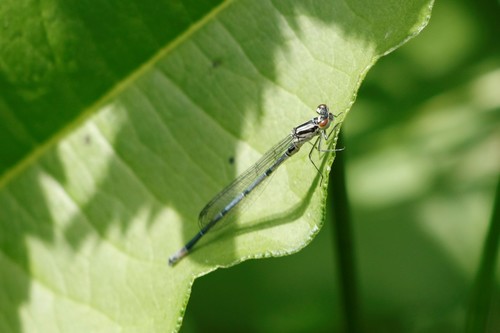
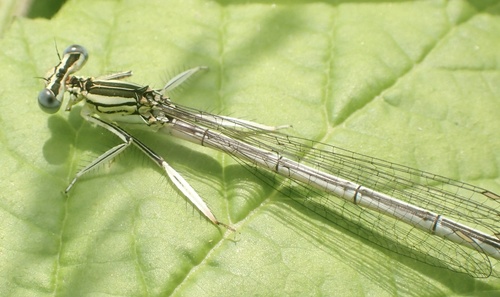
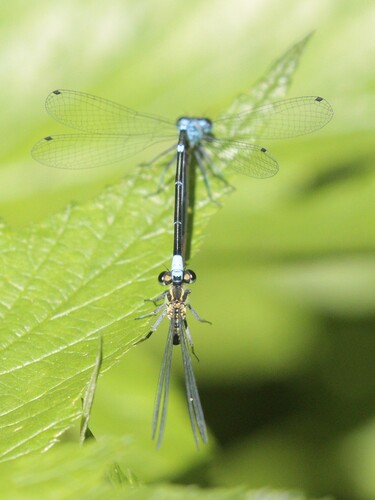
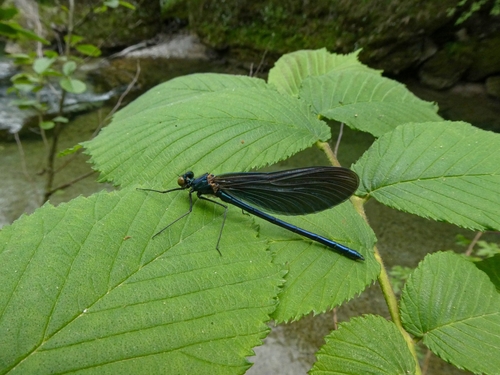
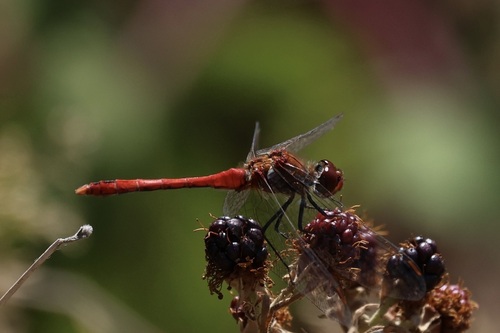
Ruddy Darter

Ruddy Darter

Sympetrum sanguineum

Daily sighting probability ~30% · Possible
at Białowieża National Park

In 3 days ~60% in a week ~90%

28 Verified sightings at Białowieża National Park From 2019 to 2026
169 In all 7 parks
August Best month
☀️ Diurnal When it's spotted

About the Ruddy Darter

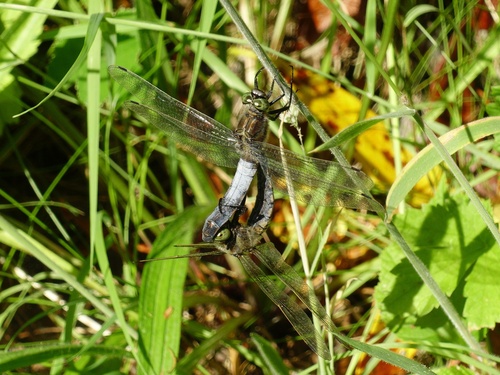
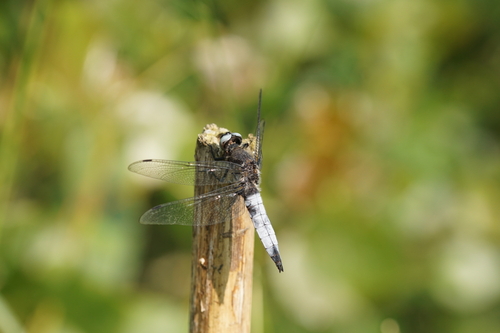
The ruddy darter (Sympetrum sanguineum) is a species of dragonfly of the family Libellulidae. The ruddy darter is to be found in temperate regions throughout Europe as far east as Siberia and as far south as the northern Sahara. Its conservation status is regarded as secure, and indeed numbers seem to be increasing in some locations such as central England; it is also spreading north at its northern limit in northeastern England.

It is present in the following countries: Albania; Algeria; Armenia; Austria; Azerbaijan; Belarus; Belgium; Bosnia and Herzegovina; Bulgaria; Croatia; Cyprus; Czech Republic; Denmark; Estonia; Finland; France; Germany; Greece; Hungary; Ireland; Italy; Kazakhstan; Kyrgyzstan; Latvia; Liechtenstein; Lithuania; Luxembourg; Macedonia, the former Yugoslav Republic of; Moldova; Monaco; Montenegro; Morocco; Netherlands; Norway; Poland; Portugal; Romania; Russian Federation; Serbia; Slovakia; Slovenia; Spain; Sweden; Switzerland; Tajikistan; Tunisia; Turkmenistan; Ukraine; United Kingdom; Uzbekistan.

This species tends to prefer quiet bodies of water that feature semi-aquatic vegetation such as rushes and reeds. The... Wikipedia →

Global Distribution

Parks Where Found

# Park Country Daily sighting probability
1 Kiskunság National Park 🇭🇺 Hungary
~30%
2 Białowieża National Park 🇵🇱 Poland
~30%
3 Biebrza National Park 🇵🇱 Poland
~20%
4 Fertő-Hanság National Park 🇭🇺 Hungary
~20%
5 Mercantour National Park 🇫🇷 France
~10%
6 Bavarian Forest National Park 🇩🇪 Germany
~10%
7 Wadden Sea National Park 🇩🇪 Germany
~10%

Cities Where Found

# City Country Daily sighting probability
1 Kyiv 🇺🇦 Ukraine
~20%
2 Brussels 🇧🇪 Belgium
~20%
3 Warsaw 🇵🇱 Poland
~20%
4 Kharkiv 🇺🇦 Ukraine
~10%
5 Minsk 🇧🇾 Belarus
~10%
6 Copenhagen 🇩🇰 Denmark
~10%
7 Moscow 🇷🇺 Russia
~10%
8 Kazan 🇷🇺 Russia
~10%
9 Rostov-on-Don 🇷🇺 Russia
~10%
10 Vienna 🇦🇹 Austria
~10%

Before you go

What are the chances of seeing a Ruddy Darter in Białowieża National Park?

Possible

About 30% of wildlife watchers report a Ruddy Darter sighting in Białowieża National Park on a given day, based on 28 verified sightings from GBIF citizen-science data from 2019 to 2026. It is the 23rd most-seen of the 158 insects we can rate there. Over three days the chance rises to about 60%, and over a week to about 90%, if each day is a fresh chance.

When is the best time to see a Ruddy Darter in Białowieża National Park?

August

In that month about 50% of wildlife watchers report a Ruddy Darter in Białowieża National Park on a given day, against under 5% in January–May and October–November, the lowest months.

What time of day is best to see a Ruddy Darter?

Between noon and 3 pm

Across all the parks we cover, that three-hour window holds the most Ruddy Darter sightings with a recorded time, and about 9 in 10 of them come between 6 am and 6 pm: it is a daytime animal.

Is Białowieża National Park the best place to see a Ruddy Darter?

Among the best

Of the 7 parks where we can rate Ruddy Darter sightings, Białowieża National Park ranks 2nd at about 30%, level with the leaders once rounded. The best odds are in Kiskunság National Park (Hungary, about 30%).

Which relatives of the Ruddy Darter live in Białowieża National Park?

Same family: Libellulidae

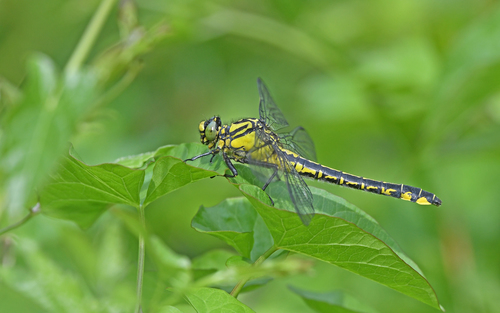
The closest relatives of the Ruddy Darter that you can see in Białowieża National Park (family Libellulidae, Skimmers) are Black-Tailed Skimmer (about 10%) and Scarce Chaser (about 10%), with each one's daily chance of a sighting.

Where does the Ruddy Darter sighting chance come from?

GBIF citizen-science records

It is estimated from how often the Ruddy Darter is recorded against all the insects logged in Białowieża National Park (28 verified sightings from 2019 to 2026), calibrated against known sighting rates. Figures are rounded to the nearest 10% because citizen-science data supports honest approximations, not decimals, and months with records from fewer than five people show "—". How it works.
← Back to Białowieża National Park