
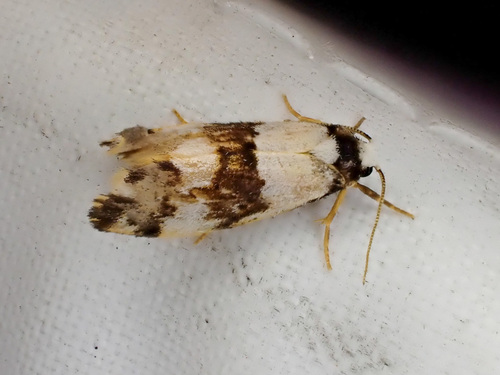
Orchard Swallowtail

Orchard Swallowtail

Papilio aegeus

Daily sighting probability ~10% · With luck
at Booderee National Park

In 3 days ~30% in a week ~50%

5 Verified sightings at Booderee National Park From 2019 to 2026
356 In all 8 parks
January Best month
☀️ Diurnal When it's spotted

About the Orchard Swallowtail

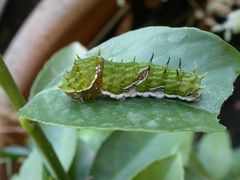
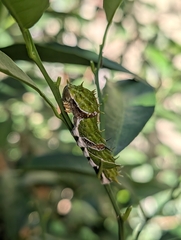
Papilio aegeus, the orchard swallowtail butterfly or large citrus butterfly is a species of butterfly from the family Papilionidae, that is found in eastern Australia and Papua New Guinea. The larvae of this species are sometimes considered a pest, due to their feeding on citrus leaves in suburban gardens.

Both male and female have black forewings with a white stripe, though there is more white overall on the female forewing. The hindwing is again black, and there is a white swath through the middle. Here the markings differ in that the female has chains of red to orange and blue crescents toward the edge. The markings on the underside are similar to those on top. The body is black. The wingspan is about 140 millimetres (5.5 in) in females and 120 millimetres (4.7 in) in males, making it rather large overall and the largest butterfly commonly seen in at least part of its range.

Despite being a swallowtail, which group derives its name from the distinctive tails on the hindwing, this characteristic is entirely absent. Karl Jordan in Seitz. describes the forma (pages 65–67) Papilio aegeus can be found in every state in... Wikipedia →

Global Distribution

Parks Where Found

# Park Country Daily sighting probability
1 Lamington National Park 🇦🇺 Australia
~30%
2 Springbrook National Park 🇦🇺 Australia
~20%
3 Raja Ampat 🇮🇩 Indonesia
~20%
4 Blue Mountains National Park 🇦🇺 Australia
~20%
5 Daintree National Park 🇦🇺 Australia
~20%
6 Royal National Park 🇦🇺 Australia
~10%
7 Booderee National Park 🇦🇺 Australia
~10%
8 Noosa National Park 🇦🇺 Australia
~10%

Cities Where Found

# City Country Daily sighting probability
1 Brisbane 🇦🇺 Australia
~30%
2 Sydney 🇦🇺 Australia
~20%
3 Melbourne 🇦🇺 Australia
<5%

Before you go

What are the chances of seeing an Orchard Swallowtail in Booderee National Park?

With luck

About 10% of wildlife watchers report an Orchard Swallowtail sighting in Booderee National Park on a given day, based on 5 verified sightings from GBIF citizen-science data from 2019 to 2026. It is the 44th most-seen of the 59 insects we can rate there. Over three days the chance rises to about 30%, and over a week to about 50%, if each day is a fresh chance.

When is the best time to see an Orchard Swallowtail in Booderee National Park?

January–February and October

In those months about 20% of wildlife watchers report an Orchard Swallowtail in Booderee National Park on a given day, against under 5% in March–September and November, the lowest months.

What time of day is best to see an Orchard Swallowtail?

Between 10 am and 1 pm

Across all the parks we cover, that three-hour window holds the most Orchard Swallowtail sightings with a recorded time, and about 9 in 10 of them come between 6 am and 6 pm: it is a daytime animal.

Is Booderee National Park the best place to see an Orchard Swallowtail?

7th of 8

Of the 8 parks where we can rate Orchard Swallowtail sightings, Booderee National Park ranks 7th at about 10%. The best odds are in Lamington National Park (Australia, about 30%), Springbrook National Park (Australia, about 20%) and Raja Ampat (Indonesia, about 20%).

Which relatives of the Orchard Swallowtail live in Booderee National Park?

Same order: Lepidoptera

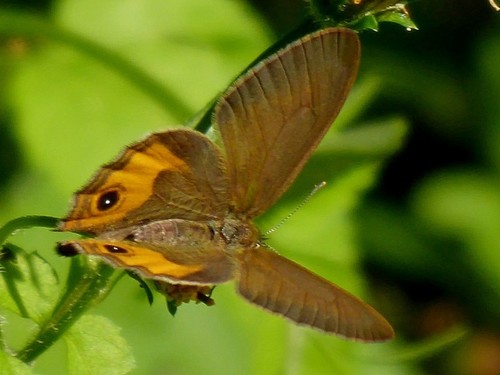
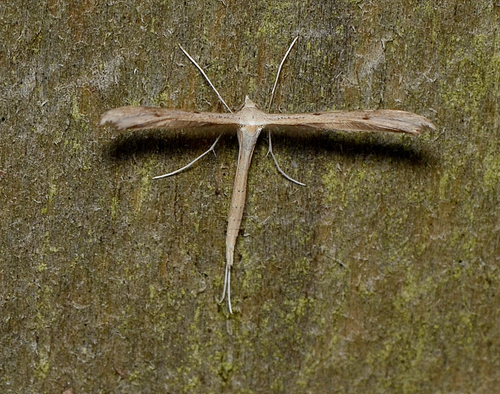
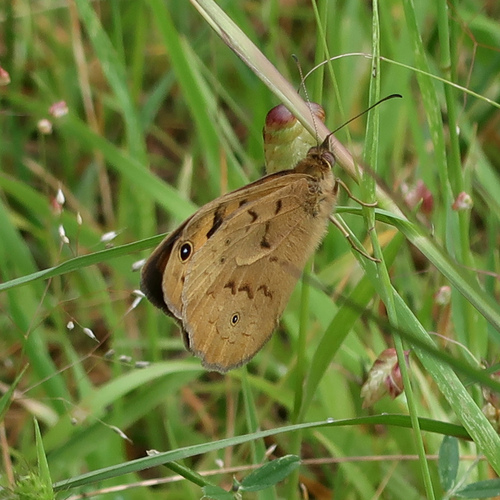
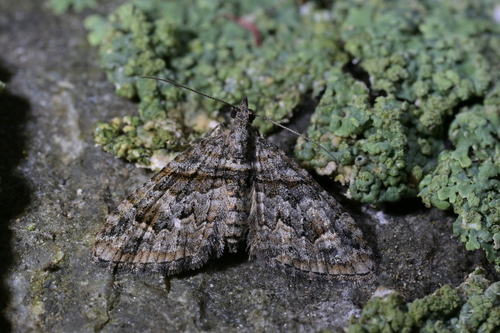
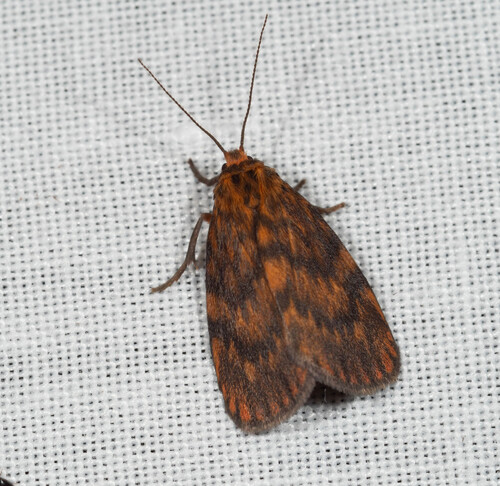
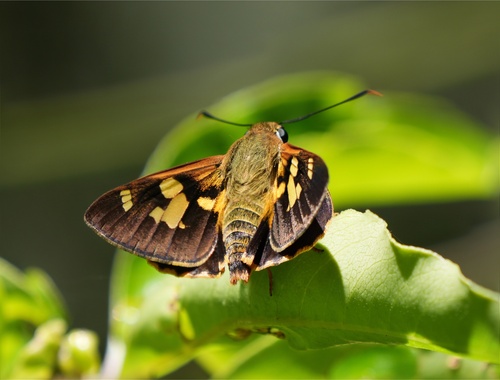
The closest relatives of the Orchard Swallowtail that you can see in Booderee National Park (order Lepidoptera, Butterflies and Moths) are Swordgrass Brown (about 40%), Brown Ringlet (about 30%) and Green-Blotched Moth (about 20%), with each one's daily chance of a sighting.

Where does the Orchard Swallowtail sighting chance come from?

GBIF citizen-science records

It is estimated from how often the Orchard Swallowtail is recorded against all the insects logged in Booderee National Park (5 verified sightings from 2019 to 2026), calibrated against known sighting rates. Figures are rounded to the nearest 10% because citizen-science data supports honest approximations, not decimals, and months with records from fewer than five people show "—". How it works.

← Back to Booderee National Park