Blue Emperor

Blue Emperor

Anax imperator

Daily sighting probability ~20% · Possible
at Brussels

In 3 days ~40% in a week ~70%

120 Verified sightings at Brussels
449 In all 15 parks From 2019 to 2026
July Best month
☀️ Diurnal When it's spotted

About the Blue Emperor

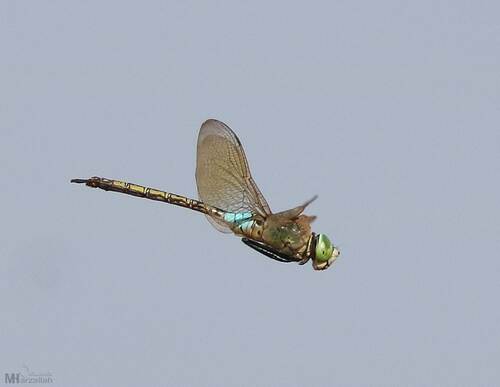
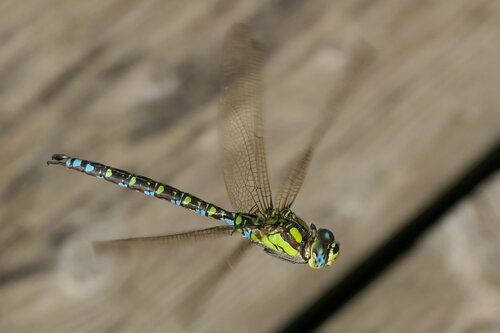
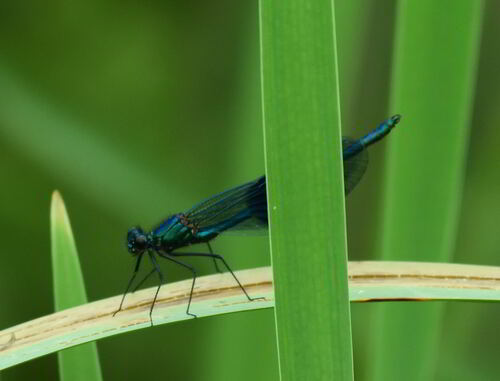
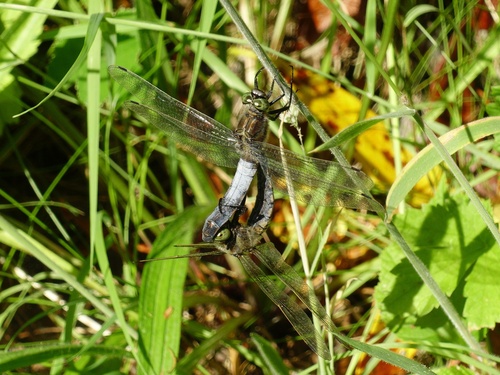
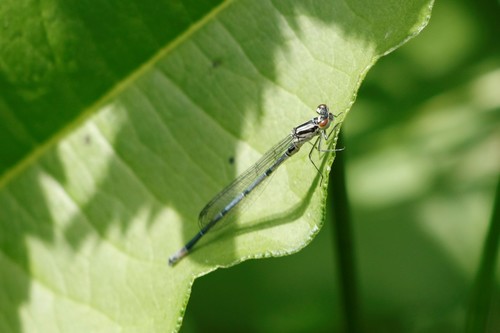
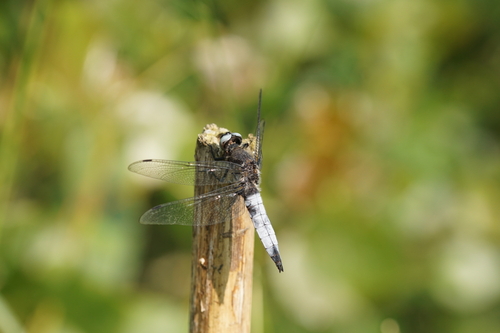
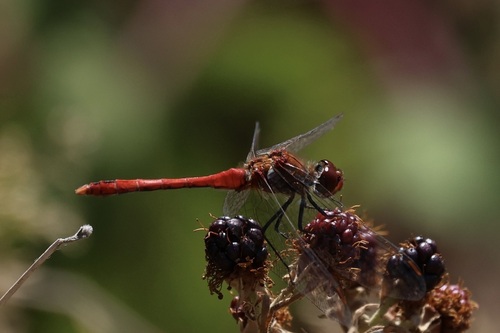
The emperor dragonfly or blue emperor (Anax imperator) is a large species of hawker dragonfly of the family Aeshnidae. It is the largest dragonfly in most of Europe, including the United Kingdom, although exceeded in some areas by other species.

The generic name Anax is from the ancient Greek ἄναξ, "lord"; the specific epithet imperator is the Latin for "emperor", from imperare, to command. This dragonfly has a wide distribution through Afroeurasia; it is found throughout Africa and through most of Europe, the Arabian Peninsula, and south-western and central Asia. Since the 1990s, its range has expanded in Europe, both northwards and to higher altitudes. For example, the first Scandinavian record was in 1994 in Denmark; in 2002 it was first recorded in Sweden and in 2004 first in Scotland; today it is regular in all three countries. The species' northward expansion has been tied to global warming, and it is among the first odonata to do so.

The emperor dragonfly is a large and bulky species. It is 73–82 mm (2.9–3.2 in) long, with average being 78 mm (3.1 in) and males growing larger than females. The average wingspan is 104... Wikipedia →

Global Distribution

Parks Where Found

# Park Country Daily sighting probability
1 Plitvice Lakes National Park 🇭🇷 Croatia
~20%
2 iSimangaliso Wetland Park 🇿🇦 South Africa
~20%
3 Mercantour National Park 🇫🇷 France
~10%
4 Sierra Nevada National Park 🇪🇸 Spain
~10%
5 Garden Route National Park 🇿🇦 South Africa
~10%
6 West Coast National Park 🇿🇦 South Africa
~10%
7 Cévennes National Park 🇫🇷 France
~10%
8 Pilanesberg National Park 🇿🇦 South Africa
~10%
9 Kruger National Park 🇿🇦 South Africa
~10%
10 Fertő-Hanság National Park 🇭🇺 Hungary
~10%
11 Snowdonia National Park 🇬🇧 United Kingdom
~10%
12 Table Mountain National Park 🇿🇦 South Africa
~10%
13 Wadden Sea National Park 🇩🇪 Germany
~10%
14 Bavarian Forest National Park 🇩🇪 Germany
~10%
15 Pyrénées National Park 🇫🇷 France
~10%

Cities Where Found

# City Country Daily sighting probability
1 Ouagadougou 🇧🇫 Burkina Faso
~20%
2 Brussels 🇧🇪 Belgium
~20%
3 Antananarivo 🇲🇬 Madagascar
~20%
4 Jerusalem 🇮🇱 Israel
~20%
5 Nairobi 🇰🇪 Kenya
~10%
6 Manchester 🇬🇧 United Kingdom
~10%
7 London 🇬🇧 United Kingdom
~10%
8 Milan 🇮🇹 Italy
~10%
9 Leeds 🇬🇧 United Kingdom
~10%
10 Turin 🇮🇹 Italy
~10%

Before you go

What are the chances of seeing a Blue Emperor in Brussels?

Possible

About 20% of wildlife watchers report a Blue Emperor sighting in Brussels on a given day, based on 120 verified sightings from GBIF citizen-science data. It is the 25th most-seen of the 337 insects we can rate there. Over three days the chance rises to about 40%, and over a week to about 70%, if each day is a fresh chance.

When is the best time to see a Blue Emperor in Brussels?

June and July

In those months about 30% of wildlife watchers report a Blue Emperor in Brussels on a given day, against under 5% in October to April, the lowest months.

What time of day is best to see a Blue Emperor?

Between 10 am and 1 pm

Across all the parks we cover, that three-hour window holds the most Blue Emperor sightings with a recorded time, and about 9 in 10 of them come between 6 am and 6 pm: it is a daytime animal.

Is Brussels the best place to see a Blue Emperor?

Among the best

Of the 39 cities where we can rate Blue Emperor sightings, Brussels ranks 2nd at about 20%, level with the leaders once rounded. The best odds are in Ouagadougou (Burkina Faso, about 20%).

Where does the Blue Emperor sighting chance come from?

GBIF citizen-science records

It is estimated from how often the Blue Emperor is recorded against all the insects logged in Brussels (120 verified sightings), calibrated against known sighting rates. Figures are rounded to the nearest 10% because citizen-science data supports honest approximations, not decimals, and months with records from fewer than five people show "—". How it works.

← Back to Brussels