Brimstone Moth

Brimstone Moth

Opisthograptis luteolata

Daily sighting probability <5% · Rare
at Paris

In 3 days ~10% in a week ~30%

20 Verified sightings at Paris
297 In all 9 parks From 2019 to 2026
May Best month
☀️🌙 Day & Night When it's spotted

About the Brimstone Moth

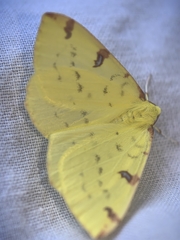
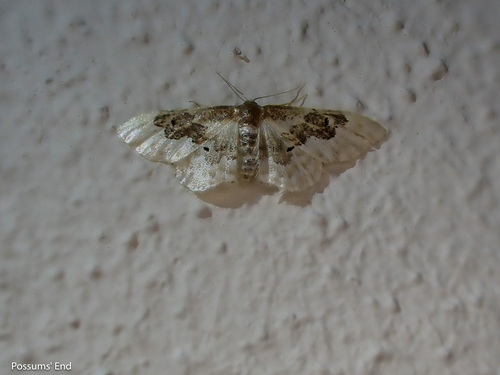
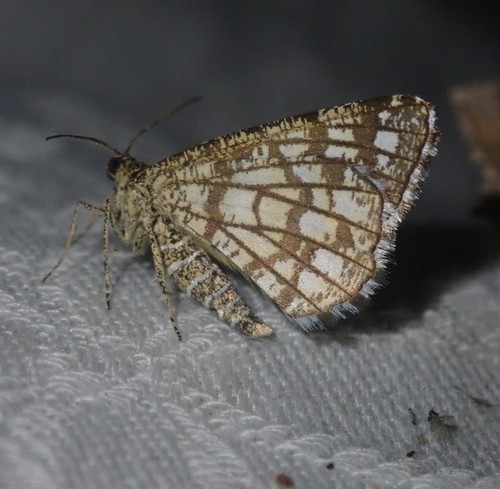
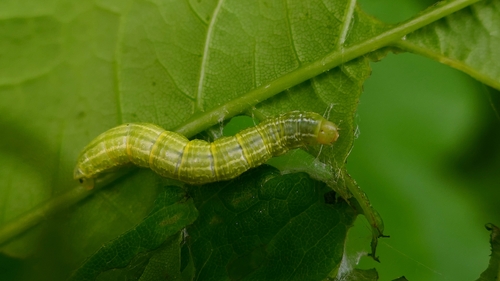
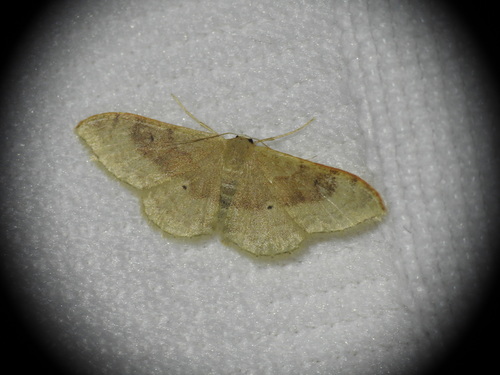
The brimstone moth (Opisthograptis luteolata) is a moth of the family Geometridae. The species was first described by Carl Linnaeus in his 1758 10th edition of Systema Naturae. It should not be confused with the brimstone butterfly Gonepteryx rhamni.

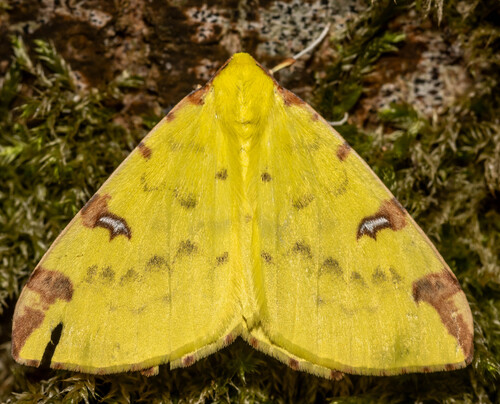
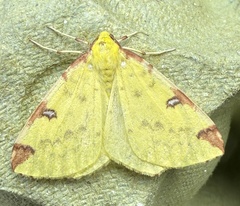
This species is unmistakable within its range, with bright yellow wings marked with small brown patches along the costa of the forewing and a small brown-edged white stigma, also on the forewing. The wingspan is 33–46 mm. "0. luteolata L. The only European species. The name-typical form has on the forewing red-brown costal markings at the base, at the discal mark and triangularly at the apex; faint, irregularly grey antemedian and postmedian lines, interrupted at the veins. Hindwing with dark discal dot and faint grey postmedian line. — aestiva Vorh. & Müll.-Rutz is a smaller, more deeply coloured summer brood form. It seems to be the principal or only form in Tunis. — ab. flavissima Krulik. is almost entirely yellow, only with slight remnants of the costal markings. — ab. albescens Ckll. has the ground colour pure white instead of yellow. Very pale yellow examples have been separated as intermedia Harrison... Wikipedia →

Global Distribution

Parks Where Found

# Park Country Daily sighting probability
1 Snowdonia National Park 🇬🇧 United Kingdom
~30%
2 Mercantour National Park 🇫🇷 France
~10%
3 Wadden Sea National Park 🇩🇪 Germany
~10%
4 Cairngorms National Park 🇬🇧 United Kingdom
~10%
5 Cévennes National Park 🇫🇷 France
~10%
6 Pyrénées National Park 🇫🇷 France
~10%
7 Vanoise National Park 🇫🇷 France
~10%
8 Bavarian Forest National Park 🇩🇪 Germany
~10%
9 Sierra de Guadarrama National Park 🇪🇸 Spain
~10%

Cities Where Found

# City Country Daily sighting probability
1 Liverpool 🇬🇧 United Kingdom
~30%
2 Birmingham 🇬🇧 United Kingdom
~20%
3 London 🇬🇧 United Kingdom
~10%
4 Manchester 🇬🇧 United Kingdom
~10%
5 Essen 🇩🇪 Germany
~10%
6 Dublin 🇮🇪 Ireland
~10%
7 Copenhagen 🇩🇰 Denmark
~10%
8 Leeds 🇬🇧 United Kingdom
~10%
9 Amsterdam 🇳🇱 Netherlands
~10%
10 Porto 🇵🇹 Portugal
~10%

Before you go

What are the chances of seeing a Brimstone Moth in Paris?

Rare

Under 5% of wildlife watchers report a Brimstone Moth sighting in Paris on a given day, based on 20 verified sightings from GBIF citizen-science data. It is the 368th most-seen of the 916 insects we can rate there. Over three days the chance rises to about 10%, and over a week to about 30%, if each day is a fresh chance.

When is the best time to see a Brimstone Moth in Paris?

April–May and August

In those months about 10% of wildlife watchers report a Brimstone Moth in Paris on a given day, against under 5% in June–July and September–March, the lowest months.

What time of day is best to see a Brimstone Moth?

Between 10 pm and 1 am

Across all the parks we cover, that three-hour window holds the most Brimstone Moth sightings with a recorded time, and about half of them come between 6 pm and 6 am: it is seen both by day and at night.

Is Paris the best place to see a Brimstone Moth?

12th of 13

Of the 13 cities where we can rate Brimstone Moth sightings, Paris ranks 12th at under 5%. The best odds are in Liverpool (United Kingdom, about 30%), Birmingham (United Kingdom, about 20%) and London (United Kingdom, about 10%).

Which relatives of the Brimstone Moth live in Paris?

Same family: Geometridae

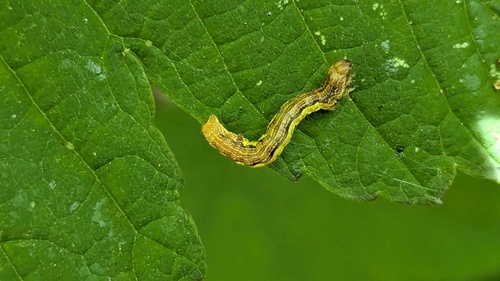
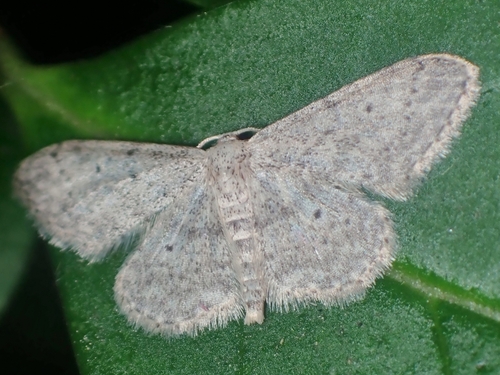
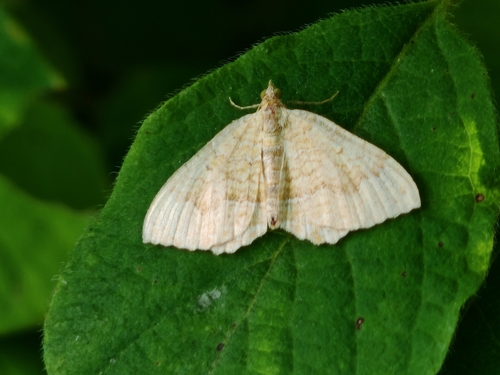
The closest relatives of the Brimstone Moth that you can see in Paris (family Geometridae, Geometer Moths) are Mottled Umber (about 10%), Small Dusty Wave (about 10%) and Double-Striped Pug (about 10%), with each one's daily chance of a sighting.

Where does the Brimstone Moth sighting chance come from?

GBIF citizen-science records

It is estimated from how often the Brimstone Moth is recorded against all the insects logged in Paris (20 verified sightings), calibrated against known sighting rates. Figures are rounded to the nearest 10% because citizen-science data supports honest approximations, not decimals, and months with records from fewer than five people show "—". How it works.
← Back to Paris