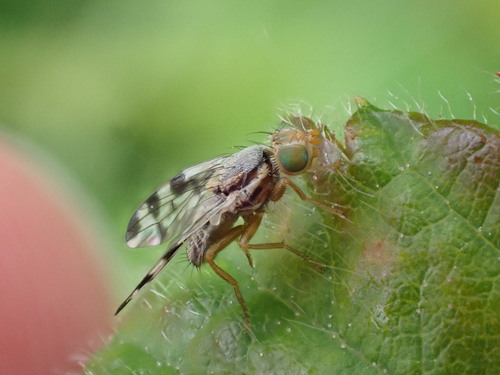
About the Goldenrod Gall Fly
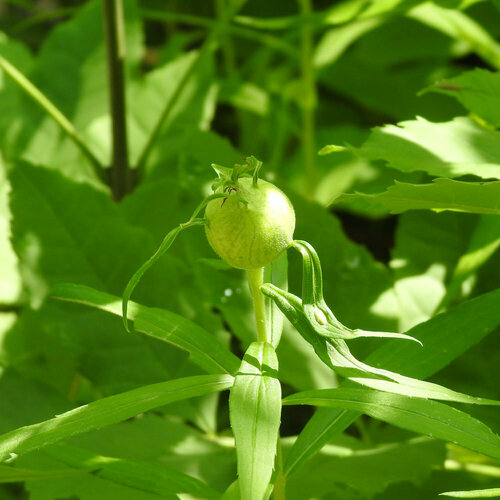
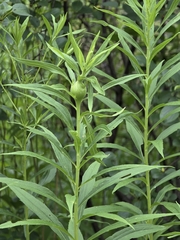
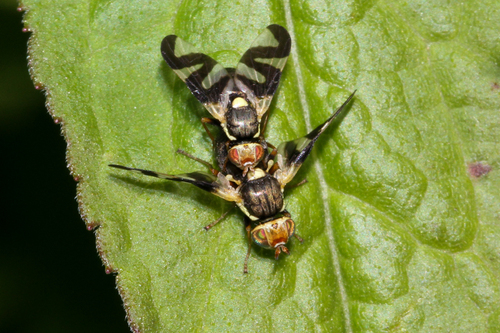
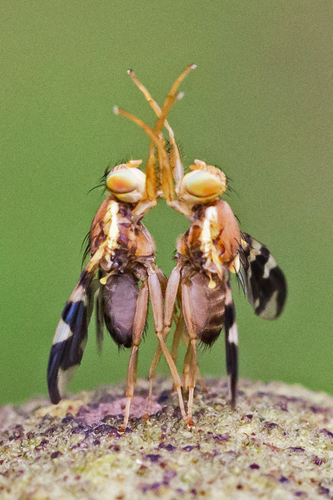
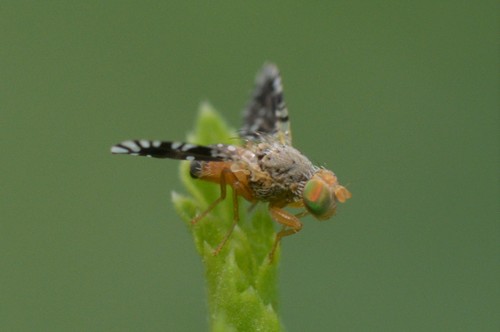
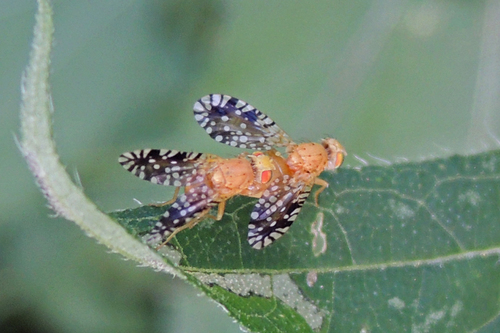
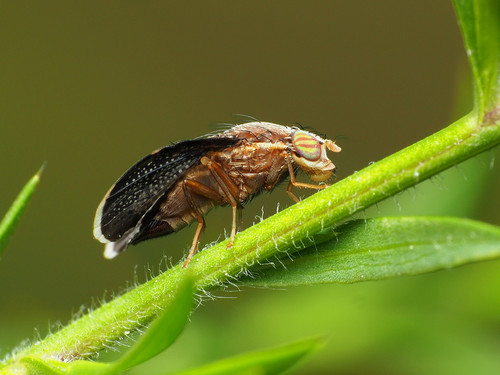
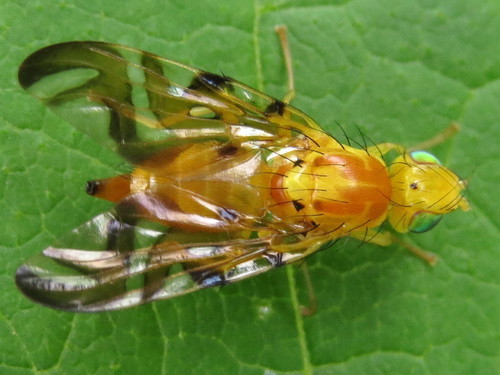
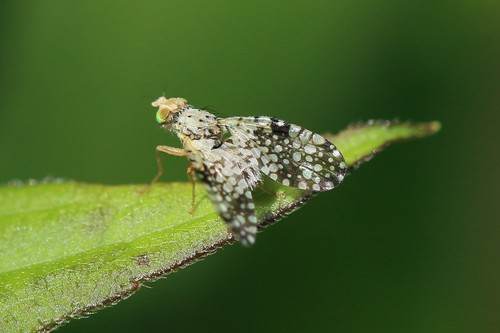
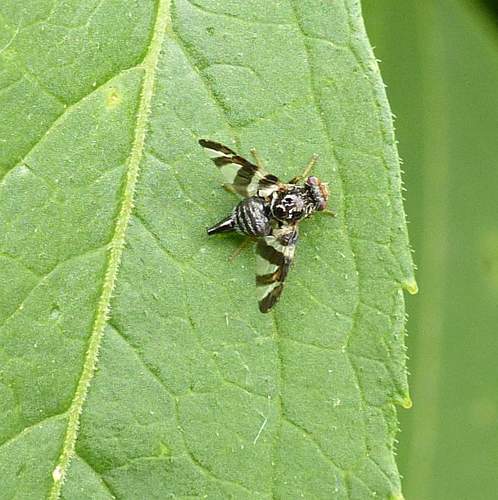
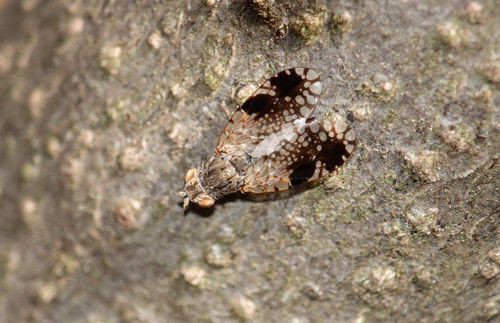
The goldenrod gall fly (Eurosta solidaginis), also known as the goldenrod ball gallmaker, is a species of fly native to North America. The species is best known for the characteristic galls it forms on several species in the Solidago, or goldenrod, genus. The fly's eggs are inserted near the developing buds of the plant. After hatching, the larvae migrate to an area below the plant's developing buds, where they then induce the plant's tissues to form into the hardened, bulbous chamber referred to as a gall. E. solidaginis’s interactions with its host plant(s) and insect, as well as avian, predators have made it the centerpiece of much ecological and evolutionary biology research, and its tolerance of freezing temperatures has inspired studies into the anti-freeze properties of its biochemistry.
Eurosta solidaginis is in the order Diptera and the family Tephritidae. The Tephritidae are commonly referred to as fruit flies, a common name they share with the Drosophilidae family. The goldenrod gall fly was first put into the genus Eurosta by D. W. Cocquillet in 1910. Two subspecies exist: E. solidaginis subsp. solidaginis and E. solidaginis subsp. fascipennis, distinguished... Wikipedia →