



Completed


European Badger
Meles meles
Silhouette: Anthony Caravaggi · PhyloPic
- KingdomAnimalia (Animals)
- PhylumChordata (Chordates)
- ClassMammalia (Mammals)
- OrderCarnivora (Carnivorans)
- FamilyMustelidae (Mustelids)
- GenusMeles (Eurasian Badgers)
- SpeciesMeles meles (European Badger)
In 3 days ~40% in a week ~60%
8 Verified sightings at Turin
267 In all 9 parks From 2019 to 2026
February Best month
🌅 Crepuscular When it's spotted
About the European Badger
The European badger (Meles meles), also known as the Eurasian badger, is a species of badger in the family Mustelidae native to Europe and West Asia and parts of Central Asia. It is classified as least concern on the IUCN Red List due to its wide range and large, stable population size which is thought to be increasing in some regions. Several subspecies are recognised, with the nominate subspecies (M. m. meles) predominating in most of Europe. In the UK it is the only extant species, and is simply known as the "badger".
The European badger is a powerfully built animal with a small head, stocky body, small black eyes and short tail, and a coat of black, white, brown, and grey fur. Its weight varies, ranging from 7–13 kg (15–29 lb) in spring to 15–17 kg (33–37 lb) in autumn before the winter sleep period. It is nocturnal and social, living in burrows and sleeping during the day in one of several setts within its territory. These burrows have multiple chambers and entrances and comprise extensive systems of underground passages measuring 35–81 m (115–266 ft) in length. Several badger families use these setts for decades. Badgers are particular about the cleanliness of their burrows, carrying in fresh bedding and removing soiled material. They defecate in latrines situated strategically outside their setts or en route to others.
Although the European badger is taxonomically classified as a carnivoran, it is actually an omnivore that feeds on a variety of plant and animal foods, including earthworms, large insects, small mammals, carrion, cereals, and tubers. Litters of up to five cubs are born in spring. The young are weaned after a few months, but they usually remain within the family group. European badgers have been known to share their burrows with other species, such as rabbits, red foxes, and raccoon dogs. However, they can be ferocious when provoked, a trait that was exploited in the now illegal blood sport of badger-baiting. Like many wild and domesticated mammals, badgers can carry bovine tuberculosis, which can spread between species and be particularly detrimental to cattle. In England, badger populations are culled in an attempt to reduce the incidence of bovine tuberculosis in cattle, although the efficacy of this practice is sometimes disputed, and badger culls are considered cruel and inhumane by some people. Wikipedia →
Recent sightings of European Badger in Turin
LIVEiNaturalistGlobal Distribution
Parks Where Found
| # | Park | Country | Daily sighting probability |
|---|---|---|---|
| 1 | Białowieża National Park | 🇵🇱 Poland | |
| 2 | Biebrza National Park | 🇵🇱 Poland | |
| 3 | Cairngorms National Park | 🇬🇧 United Kingdom | |
| 4 | Cévennes National Park | 🇫🇷 France | |
| 5 | Triglav National Park | 🇸🇮 Slovenia | |
| 6 | Snowdonia National Park | 🇬🇧 United Kingdom | |
| 7 | Pyrénées National Park | 🇫🇷 France | |
| 8 | Doñana National Park | 🇪🇸 Spain | |
| 9 | Wadden Sea National Park | 🇩🇪 Germany |
Zoos & Centres Where Found
| # | Zoo / Centre | Country | |
|---|---|---|---|
| 1 | Planckendael Zoo | 🇧🇪 Belgium | |
| 2 | Brno Zoo | 🇨🇿 Czechia | |
| 3 | La Tanière | 🇫🇷 France | |
| 4 | Wildpark Alte Fasanerie | 🇩🇪 Germany | |
| 5 | Eekholt Wildlife Park | 🇩🇪 Germany | |
| 6 | Hillside Animal Sanctuary | 🇬🇧 United Kingdom | |
| 7 | Wildpark Schwarze Berge | 🇩🇪 Germany | |
| 8 | Parc animalier de Gramat | 🇫🇷 France | |
| 9 | Körösvölgyi Állatpark | 🇭🇺 Hungary | |
| 10 | Natur- und Tierpark Goldau | 🇨🇭 Switzerland | |
| 11 | DierenPark Amersfoort | 🇳🇱 Netherlands | |
| 12 | Minsk Zoo | 🇧🇾 Belarus | |
| 13 | British Wildlife Centre | 🇬🇧 United Kingdom | |
| 14 | Zagreb Zoo | 🇭🇷 Croatia | |
| 15 | Zoopark Limpopo | 🇷🇺 Russia | |
| 16 | AQUA Akvarium & Dyrepark | 🇩🇰 Denmark | |
| 17 | Alpenzoo Innsbruck | 🇦🇹 Austria | |
| 18 | Parc Animalier d'Introd | 🇮🇹 Italy | |
| 19 | Tiggywinkles Wildlife Teaching Hospital | 🇬🇧 United Kingdom | |
| 20 | Bird Park | 🇷🇺 Russia | |
| 21 | Hankensbüttel Otter Centre | 🇩🇪 Germany | |
| 22 | Дэльфінарый | 🇧🇾 Belarus |
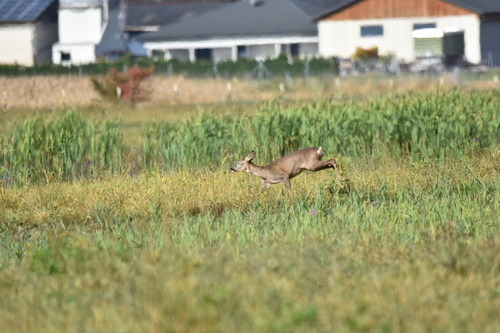
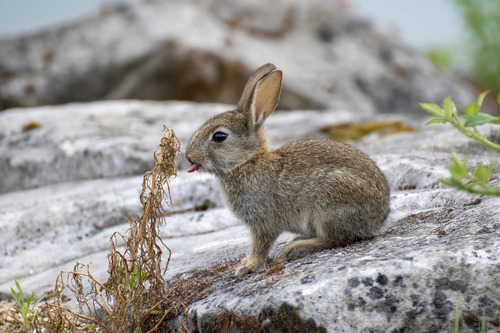
Closest Relatives at Turin






Before you go
What are the chances of seeing a European Badger in Turin?
With luck
About 10% of wildlife watchers report a European Badger sighting in Turin on a given day, based on 8 verified sightings from GBIF citizen-science data. It is the 9th most-seen of the 10 mammals we can rate there. Over three days the chance rises to about 40%, and over a week to about 60%, if each day is a fresh chance.
When is the best time to see a European Badger in Turin?
February
In that month about 30% of wildlife watchers report a European Badger in Turin on a given day, against under 5% in March, June–August and October–December, the lowest months.
What time of day is best to see a European Badger?
Between 8 and 11 am
Across all the parks we cover, that three-hour window holds the most European Badger sightings with a recorded time, and about half of them come between 6 am and 6 pm: it is most active around dawn and dusk.
Is Turin the best place to see a European Badger?
Yes
Of the 7 cities where we can rate European Badger sightings, Turin has the highest daily chance: about 10%. Next come Vienna (Austria, about 10%) and Dublin (Ireland, about 10%).
Where does the European Badger sighting chance come from?
GBIF citizen-science records
It is estimated from how often the European Badger is recorded against all the mammals logged in Turin (8 verified sightings), calibrated against known sighting rates. Figures are rounded to the nearest 10% because citizen-science data supports honest approximations, not decimals, and months with records from fewer than five people show "—". How it works.
