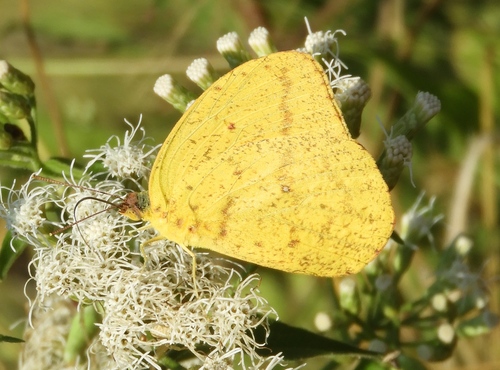
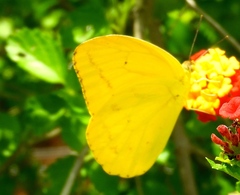
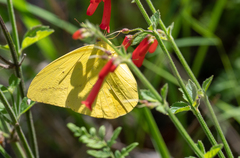
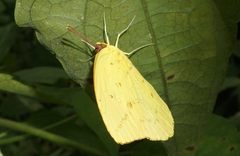
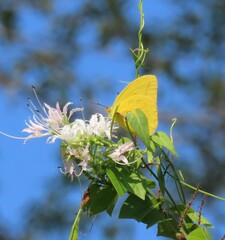
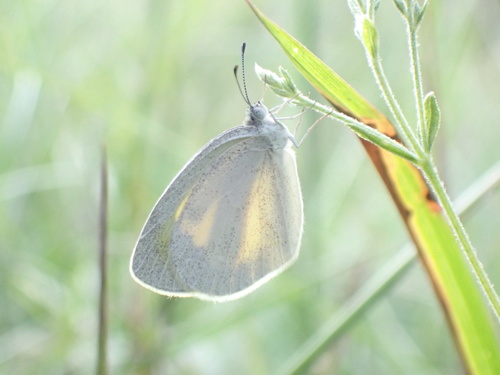
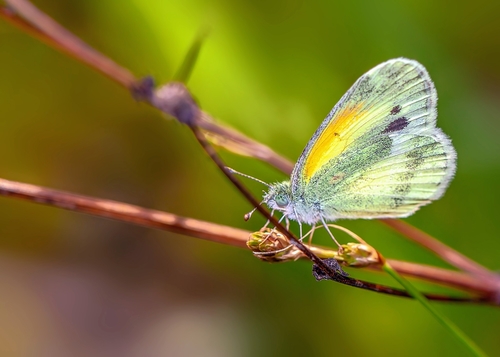
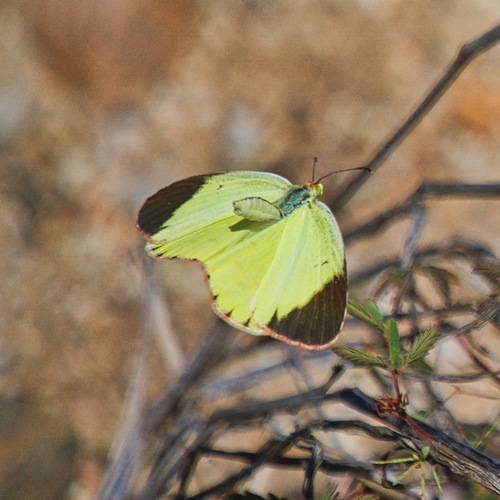
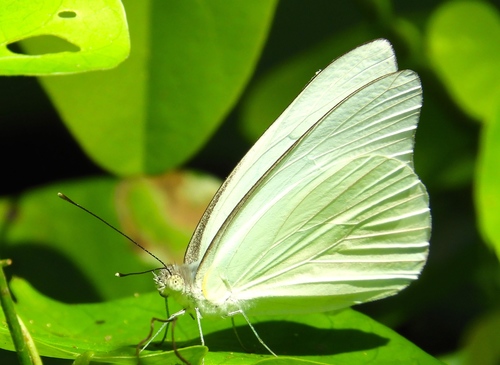
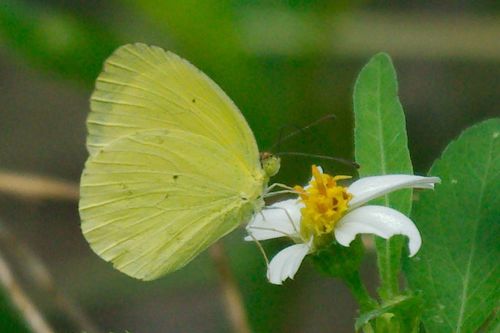
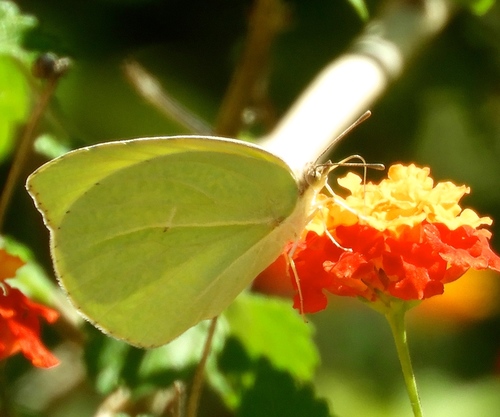
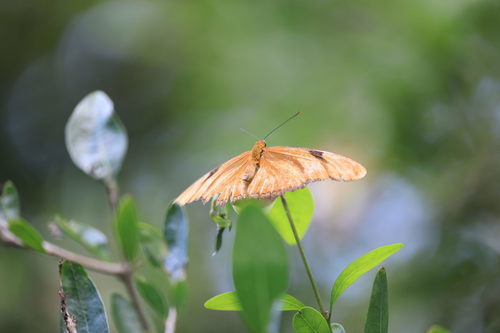

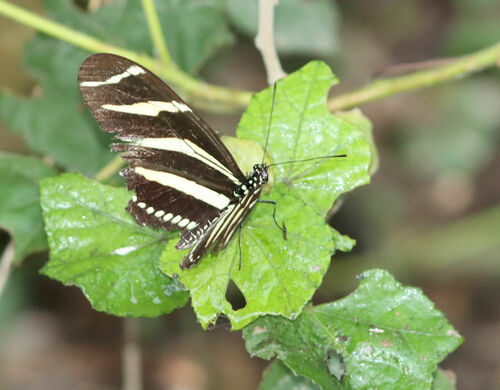
Large Orange Sulphur

Large Orange Sulphur

Phoebis agarithe

Daily sighting probability ~30% · Possible
at Everglades National Park

In 3 days ~60% in a week ~90%

200 Verified sightings at Everglades National Park From 2019 to 2026
528 In all 10 parks
August Best month
☀️ Diurnal When it's spotted

About the Large Orange Sulphur

Phoebis agarithe, the large orange sulphur, is a butterfly in the family Pieridae. It is found from Peru north to southern Texas and peninsular Florida. Rare strays can be found up to Colorado, South Dakota, Wisconsin, and New Jersey. The species has also been introduced in Hawaii. The habitat consists of open, tropical lowlands including gardens, pastures, road edges, trails and parks.

The wingspan is 57–86 mm (2.2–3.4 in). Adults are on wing from August to September in southern Texas and all year round in the tropics. They feed on flower nectar, favoring lantana, shepherd's needle, bougainvillea, rose periwinkle, Turk's cap and hibiscus.

The larvae feed on fresh leaves of Pithecellobium and Inga species. Wikipedia →

Global Distribution

Parks Where Found

# Park Country Daily sighting probability
1 Everglades National Park 🇺🇸 United States
~30%
2 Bahía de Loreto National Park 🇲🇽 Mexico
~20%
3 Cumbres de Monterrey National Park 🇲🇽 Mexico
~20%
4 Ría Lagartos Biosphere Reserve 🇲🇽 Mexico
~10%
5 Big Cypress National Preserve 🇺🇸 United States
~10%
6 Arrecifes de Cozumel National Park 🇲🇽 Mexico
~10%
7 Big Bend National Park 🇺🇸 United States
~10%
8 Calakmul Biosphere Reserve 🇲🇽 Mexico
~10%
9 Joshua Tree National Park 🇺🇸 United States
~10%
10 Saguaro National Park 🇺🇸 United States
<5%

Cities Where Found

# City Country Daily sighting probability
1 Monterrey 🇲🇽 México
~20%
2 Torreón 🇲🇽 México
~20%
3 Tijuana 🇲🇽 México
~10%
4 Guadalajara 🇲🇽 México
~10%
5 San Antonio 🇺🇸 United States
~10%
6 San Luis Potosí 🇲🇽 México
~10%
7 Miami 🇺🇸 United States
~10%
8 Austin 🇺🇸 United States
<5%
9 Phoenix 🇺🇸 United States
<5%
10 Los Angeles 🇺🇸 United States
<5%

Before you go

What are the chances of seeing a Large Orange Sulphur in Everglades National Park?

Possible

About 30% of wildlife watchers report a Large Orange Sulphur sighting in Everglades National Park on a given day, based on 200 verified sightings from GBIF citizen-science data from 2019 to 2026. It is the 18th most-seen of the 496 insects we can rate there. Over three days the chance rises to about 60%, and over a week to about 90%, if each day is a fresh chance.

When is the best time to see a Large Orange Sulphur in Everglades National Park?

July and August

In those months about 40% of wildlife watchers report a Large Orange Sulphur in Everglades National Park on a given day, against about 20% in November to May, the lowest months. Those are among Everglades National Park's wettest months, with about 160 mm of rain a month against 40 mm in March.

What time of day is best to see a Large Orange Sulphur?

Between 10 am and 1 pm

Across all the parks we cover, that three-hour window holds the most Large Orange Sulphur sightings with a recorded time, and nearly all of them come between 6 am and 6 pm: it is a daytime animal.

Is Everglades National Park the best place to see a Large Orange Sulphur?

Yes

Of the 10 parks where we can rate Large Orange Sulphur sightings, Everglades National Park has the highest daily chance: about 30%. Next come Bahía de Loreto National Park (Mexico, about 20%) and Cumbres de Monterrey National Park (Mexico, about 20%).

Where does the Large Orange Sulphur sighting chance come from?

GBIF citizen-science records

It is estimated from how often the Large Orange Sulphur is recorded against all the insects logged in Everglades National Park (200 verified sightings from 2019 to 2026), calibrated against known sighting rates. Figures are rounded to the nearest 10% because citizen-science data supports honest approximations, not decimals, and months with records from fewer than five people show "—". How it works.

← Back to Everglades National Park