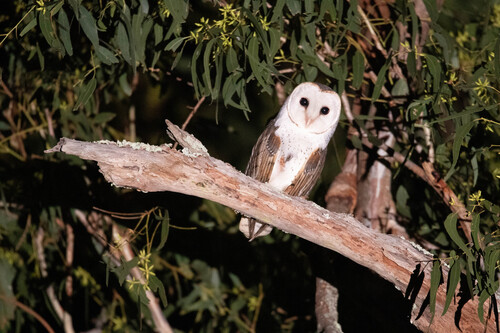
Flinders Chase
🇦🇺 Australia
Oceania, Australia 413 spp. recorded
Flinders Chase is a protected coastal reserve on the western end of Kangaroo Island in South Australia. The landscape consists of dense Mediterranean scrub, open eucalypt woodlands, and dramatic southern ocean cliffs. Visitors walk sandy tracks winding through coastal heath and rugged vegetation.
-35.974° S 136.730° E
🦜 Nature

150 Species sighted
3,839 Verified sightings From 2019 to 2026
Jan Best month
⭐ Iconic Species




📊 Most Spotted


⭐ Iconic Species
📊 Most Spotted


📊 Most Spotted


📊 Most Spotted


📊 Most Spotted


📊 Most Spotted
🌙 Most active after dark
+ 322 more species with insufficient data
Recent sightings in Flinders Chase
LIVEiNaturalistSighting Calendar
How many species you'd see in a day
31Jan
23Feb
26Mar
29Apr
25May
24Jun
24Jul
7.2Aug
29Sep
28Oct
28Nov
27Dec
Sighting Zones
Warmer areas are where all species together are recorded most often.
-
Visitor centre
Daily sight. prob.vs avg -
Western KI Caravan Park
Daily sight. prob.vs avg -
Admirals Arch
Daily sight. prob.vs avg -
Remarkable Rocks
Daily sight. prob.vs avg Southern Heath Monitor>90%+20%
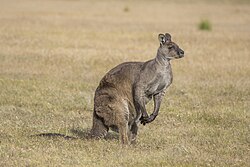 Western Grey Kangaroo~80%≈
 Pale-flecked Garden Sunskink~60%+20%
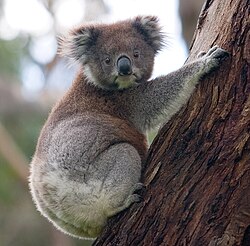 Koala~50%-20%
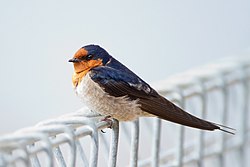 Welcome Swallow~50%-10%
 Silvereye~50%-20%
 New Holland Honeyeater~40%-10%
 Superb Fairywren~40%-40%
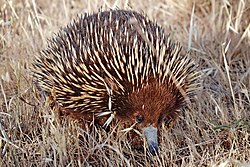 Short-beaked Echidna~30%-30%
 Common Brushtail~30%≈
 Eastern Tiger Snake~30%-10%
 Australian Sea Lion~30%-10%




🏕️ Experience
Essentials
Entrance
Paid
Tourism
Low
Typical stay
1–2
daysTrails
Easy
World Heritage
No
Climate
Temp °C Rain mm
JanFebMarAprMayJunJulAugSepOctNovDec
0.0 Good
Wallace's Line Score
How good is this park for seeing wildlife? 🦜
Biodiversity
GoodHow rich is the wildlife?
3.4
Species by taxon
🦅 Birds 301
🐒 Mammals 71
🦎 Reptiles 36
🐸 Amphibians 5
413 Total Species
828 Global average across 316 parks
32 Threatened 165 Endemic
🔭
Sighting
Very goodHow likely to see animals?
3.5
🎯
Top-12 Avg Probability
69% 📊
Coverage (113 species at ≥5% of 413 in the inventory)
27% 🔀
Taxon variety in top 12 (6 bird, 5 mammal, 1 reptile)
76% 🔭
Species per 10 outings (distinct species a visitor would meet over 10 outings — effort held equal across parks)
69 🌟
Iconic-group species (≥15%) (every species from the 19 iconic groups — monkeys, cats, toucans, macaws, sloths, crocodilians… — not just the 4 highlighted above)
13 ⭐
High-prob species (>40%)
28 🏕️
Experience
ExcellentHow easy and pleasant is the visit?
4.4
Climate Mixed Medium
Entrance Paid Low
Tourism Low High
Trails Easy High
World Heritage No —
What visitors say
Even with the devastation, we could see past the burnt forests and into the new growth and had an excellent time at the Cape de Coudedic Lighthouse& hiking trails, Admirals Arch and sea lion pools and finishing out our day at Remarkable Rocks, which truly blew our minds!
When we first got to the Seal Slide Viewpoint we were disappointed to not see any fur seals.
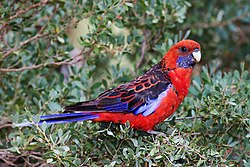
Over the course of the day, we also saw quite a few cockatoos (the common white kind as well as some Glossy Black Cockatoos) and brightly colored Crimson Rosellas as well.
While there we could see long-nosed fur-seals playing in the surf.
Before you go
What animals can you see in Flinders Chase?
413 species
Flinders Chase has 413 recorded vertebrate species. The ones wildlife watchers report most often on a given day are Superb Fairywren (about 90%), Southern Heath Monitor (about 80%), Western Grey Kangaroo (about 80%), Koala (about 70%) and Silvereye (about 70%). Among amphibians, the most-seen is Common Eastern Froglet (about 30%).
When is the best time to visit Flinders Chase for wildlife?
April, September and November–January
In those months the park's 12 most-seen species average about 70% on a given day, against about 60% in February–March, May–August and October.
Can you see a Koala in Flinders Chase?
Yes
About 70% of wildlife watchers report a Koala sighting in Flinders Chase on a given day, based on 82 verified sightings from GBIF citizen-science data from 2019 to 2026. The best time is June–July and October–December (about 80%).
Can you see a Long-nosed Fur Seal in Flinders Chase?
Yes
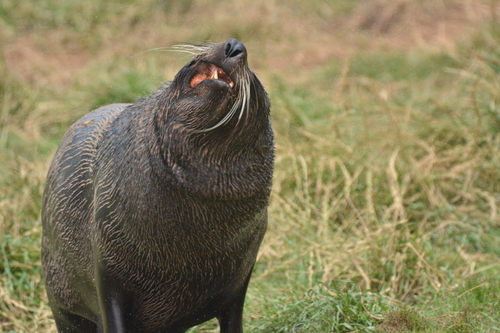
About 60% of wildlife watchers report a Long-nosed Fur Seal sighting in Flinders Chase on a given day, based on 53 verified sightings from GBIF citizen-science data from 2019 to 2026. The best time is January–February, June–July, September and November (about 70%).
Can you see a Short-beaked Echidna in Flinders Chase?
Yes
About 60% of wildlife watchers report a Short-beaked Echidna sighting in Flinders Chase on a given day, based on 42 verified sightings from GBIF citizen-science data from 2019 to 2026. The best time is April (about 80%).
Can you see a Tammar Wallaby in Flinders Chase?
Yes
About 60% of wildlife watchers report a Tammar Wallaby sighting in Flinders Chase on a given day, based on 55 verified sightings from GBIF citizen-science data from 2019 to 2026. The best time is April, June, August and November–February (about 70%).
Where in Flinders Chase is wildlife easiest to see?
Around Visitor centre
The richest sighting zone is around Visitor centre, followed by Western KI Caravan Park and Admirals Arch, ranked by how many of the park's headline animals visitors can expect to see in each. See the zones on the map.
Is Flinders Chase good for wildlife watching?
3.5 out of 5
On the Wallace's Line Score, Flinders Chase rates 3.5/5: 212th of 316 parks worldwide and 18th in Oceania. 33 of its species are reported by about 40% or more of wildlife watchers on a given day.