




Completed


Bearded Vulture
Gypaetus barbatus
Silhouette: Shyamal · PhyloPic
- KingdomAnimalia (Animals)
- PhylumChordata (Chordates)
- ClassAves (Birds)
- OrderAccipitriformes (Hawks, Eagles, Kites, and Allies)
- FamilyAccipitridae (Hawks, Eagles, and Kites)
- GenusGypaetus (Bearded Vultures)
- SpeciesGypaetus barbatus (Bearded Vulture)
In 3 days ~90% in a week >90%
81 Verified sightings at Hemis National Park From 2019 to 2026
2,813 In all 15 parks
March Best month
☀️ Diurnal When it's spotted
About the Bearded Vulture
The bearded vulture (Gypaetus barbatus), also known as the lammergeier and ossifrage, is a very large bird of prey in the monotypic genus Gypaetus. The bearded vulture is the only known vertebrate whose diet consists of 70–90% bone.
Traditionally considered an Old World vulture, it actually forms a separate minor lineage of Accipitridae together with the Egyptian vulture (Neophron percnopterus), its closest living relative. It is not much more closely related to the Old World vultures proper than to, for example, hawks, and differs from the former by its feathered neck. Although dissimilar, the Egyptian and bearded vulture each have a lozenge-shaped tail—unusual among birds of prey. It is vernacularly known as Homa, a bird in Iranian mythology.
The bearded vulture population is thought to be in decline; in 2004, it was classified on the IUCN Red List as least concern but has been listed as near threatened since 2014. It lives and breeds on crags in high mountains in Iran, southern Europe, East Africa, the Indian subcontinent, Tibet, and the Caucasus. Females lay one or two eggs in mid-winter that hatch at the beginning of spring.
The genus name Gypaetus is from Ancient... Wikipedia →
Recent sightings of Bearded Vulture in Hemis National Park
LIVEiNaturalistGlobal Distribution
Parks Where Found
| # | Park | Country | Daily sighting probability |
|---|---|---|---|
| 1 | Gobi Gurvansaikhan National Park | 🇲🇳 Mongolia | |
| 2 | Hemis National Park | 🇮🇳 India | |
| 3 | Ordesa y Monte Perdido National Park | 🇪🇸 Spain | |
| 4 | Vanoise National Park | 🇫🇷 France | |
| 5 | Aigüestortes National Park | 🇪🇸 Spain | |
| 6 | Golden Gate Highlands National Park | 🇿🇦 South Africa | |
| 7 | Pyrénées National Park | 🇫🇷 France | |
| 8 | Hohe Tauern National Park | 🇦🇹 Austria | |
| 9 | Picos de Europa National Park | 🇪🇸 Spain | |
| 10 | Langtang National Park | 🇳🇵 Nepal | |
| 11 | Cévennes National Park | 🇫🇷 France | |
| 12 | Mercantour National Park | 🇫🇷 France | |
| 13 | Jiuzhaigou National Park | 🇨🇳 China | |
| 14 | Awash National Park | 🇪🇹 Ethiopia | |
| 15 | Sierra Nevada National Park | 🇪🇸 Spain |
Cities Where Found
| # | City | Country | Daily sighting probability |
|---|---|---|---|
| 1 | Ulaanbaatar | 🇲🇳 Mongolia |
Zoos & Centres Where Found
Closest Relatives at Hemis National Park




Before you go
What are the chances of seeing a Bearded Vulture in Hemis National Park?
Likely
About 50% of wildlife watchers report a Bearded Vulture sighting in Hemis National Park on a given day, based on 81 verified sightings from GBIF citizen-science data from 2019 to 2026. It is the 7th most-seen of the 52 birds we can rate there. Over three days the chance rises to about 90%, and over a week to over 90%, if each day is a fresh chance.
When is the best time to see a Bearded Vulture in Hemis National Park?
March
In that month about 80% of wildlife watchers report a Bearded Vulture in Hemis National Park on a given day, against about 40% in April and July, the lowest months. January has too few records to rate.
What time of day is best to see a Bearded Vulture?
Between 9 am and noon
Across all the parks we cover, that three-hour window holds the most Bearded Vulture sightings with a recorded time, and about 9 in 10 of them come between 6 am and 6 pm: it is a daytime animal.
Is Hemis National Park the best place to see a Bearded Vulture?
2nd of 15
Of the 15 parks where we can rate Bearded Vulture sightings, Hemis National Park ranks 2nd at about 50%. The best odds are in Gobi Gurvansaikhan National Park (Mongolia, about 60%). All parks ranked.
Which relatives of the Bearded Vulture live in Hemis National Park?
Same family: Accipitridae
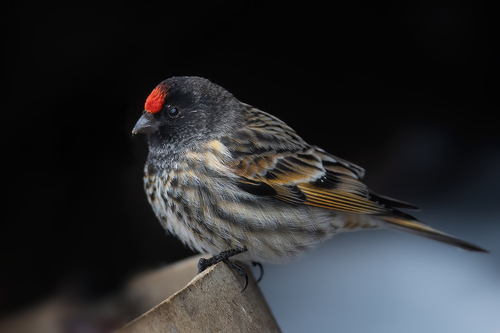
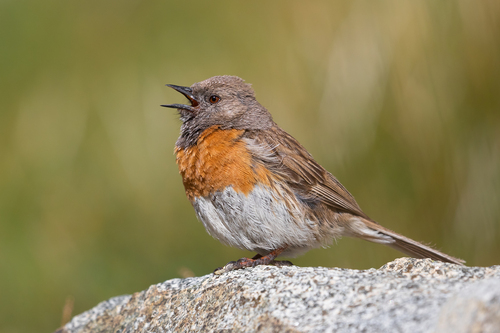
The closest relatives of the Bearded Vulture that you can see in Hemis National Park (family Accipitridae, Hawks, Eagles, and Kites) are Golden Eagle (about 40%), Himalayan Vulture (about 30%) and Eurasian Sparrowhawk (about 10%), with each one's daily chance of a sighting.
Where does the Bearded Vulture sighting chance come from?
GBIF citizen-science records
It is estimated from how often the Bearded Vulture is recorded against all the birds logged in Hemis National Park (81 verified sightings from 2019 to 2026), calibrated against known sighting rates. Figures are rounded to the nearest 10% because citizen-science data supports honest approximations, not decimals, and months with records from fewer than five people show "—". How it works.
