Ceiba Borer

Ceiba Borer

Euchroma giganteum

Daily sighting probability ~10% · With luck
at Manu National Park

In 3 days ~20% in a week ~50%

11 Verified sightings at Manu National Park From 2019 to 2026
56 In all 6 parks
March Best month
☀️ Diurnal When it's spotted

About the Ceiba Borer

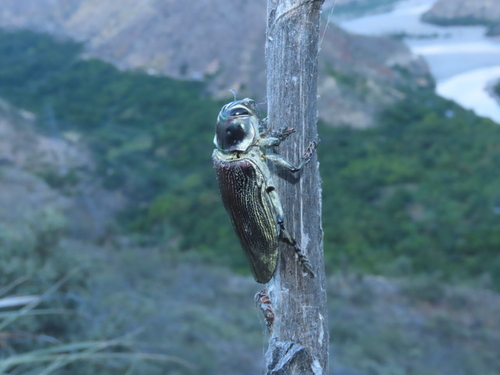
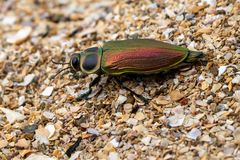
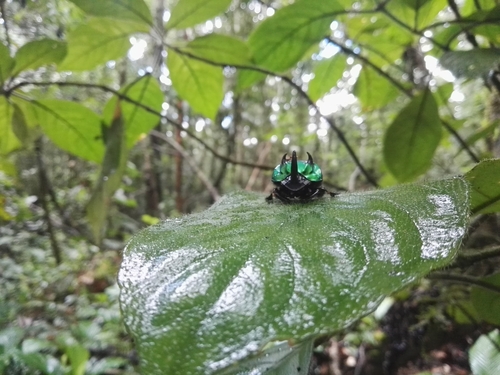
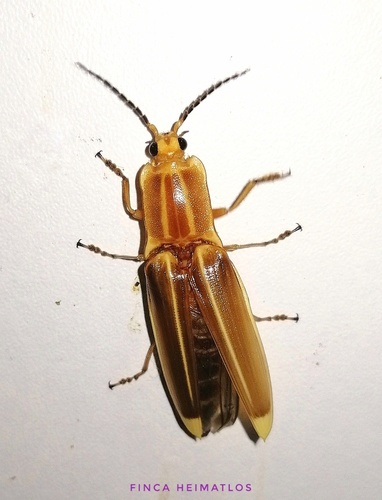
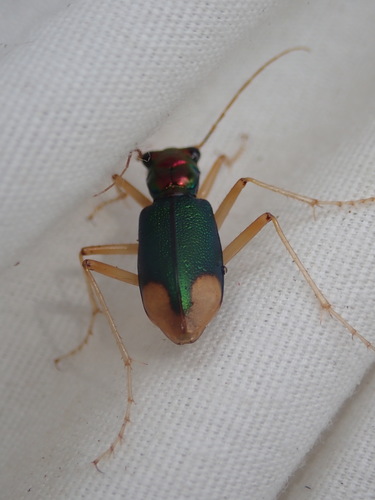
Euchroma giganteum, the Metallic Wood Boring Beetle or Giant Metallic Ceiba Borer, is a species of beetle in the family Buprestidae, the only species in the genus Euchroma. Catoxantha and Megaloxantha are among the few other members of the family that reach a comparable size. The body of E. giganteum is robust and elongated and the elytra have a wrinkled surface and a metallic green colour with reddish or purplish tinges. The pronotum has a dark spot on each side. The larvae reach a length of about 12–15 centimetres (4.7–5.9 in). The elytra of newly emerged adults have a coating of a yellowish, waxy powder. As the beetle ages this powder wear off.

The males apparently attract the females by a clicking sound produced by the elytra. This species... Wikipedia →

Global Distribution

Parks Where Found

# Park Country Daily sighting probability
1 Tambopata National Reserve 🇵🇪 Peru
~10%
2 Manu National Park 🇵🇪 Peru
~10%
3 Yasuní National Park 🇪🇨 Ecuador
~10%
4 Soberanía National Park 🇵🇦 Panama
~10%
5 Parque Natural Metropolitano 🇵🇦 Panama
~10%
6 Tijuca National Park 🇧🇷 Brazil
~10%

Cities Where Found

# City Country Daily sighting probability
1 Fortaleza 🇧🇷 Brazil
~30%
2 Santa Cruz de la Sierra 🇧🇴 Bolivia
~20%
3 Maceió 🇧🇷 Brazil
~20%
4 João Pessoa 🇧🇷 Brazil
~20%
5 Recife 🇧🇷 Brazil
~20%
6 Brasilia 🇧🇷 Brazil
~20%
7 Goiânia 🇧🇷 Brazil
~20%
8 Belém 🇧🇷 Brazil
~10%
9 Belo Horizonte 🇧🇷 Brazil
~10%
10 Cali 🇨🇴 Colombia
~10%

Before you go

What are the chances of seeing a Ceiba Borer in Manu National Park?

With luck

About 10% of wildlife watchers report a Ceiba Borer sighting in Manu National Park on a given day, based on 11 verified sightings from GBIF citizen-science data from 2019 to 2026. It is the 142nd most-seen of the 366 insects we can rate there. Over three days the chance rises to about 20%, and over a week to about 50%, if each day is a fresh chance.

When is the best time to see a Ceiba Borer in Manu National Park?

March and April

In those months about 20% of wildlife watchers report a Ceiba Borer in Manu National Park on a given day, against under 5% in February, May–October and December, the lowest months.

What time of day is best to see a Ceiba Borer?

Between 10 am and 1 pm

Across all the parks we cover, that three-hour window holds the most Ceiba Borer sightings with a recorded time, and about 9 in 10 of them come between 6 am and 6 pm: it is a daytime animal.

Is Manu National Park the best place to see a Ceiba Borer?

Among the best

Of the 6 parks where we can rate Ceiba Borer sightings, Manu National Park ranks 2nd at about 10%, level with the leaders once rounded. The best odds are in Tambopata National Reserve (Peru, about 10%).

Which relatives of the Ceiba Borer live in Manu National Park?

Same order: Coleoptera

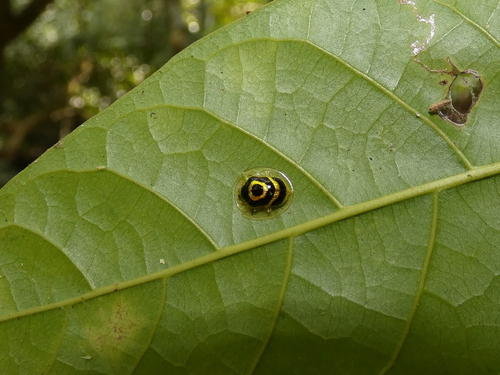
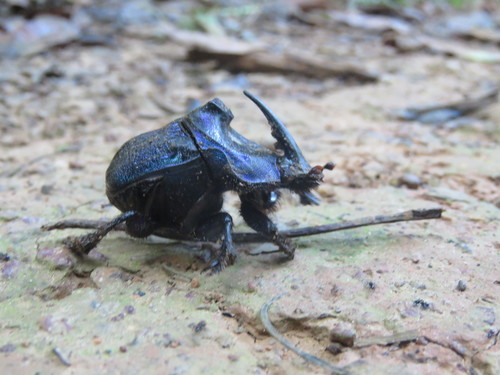
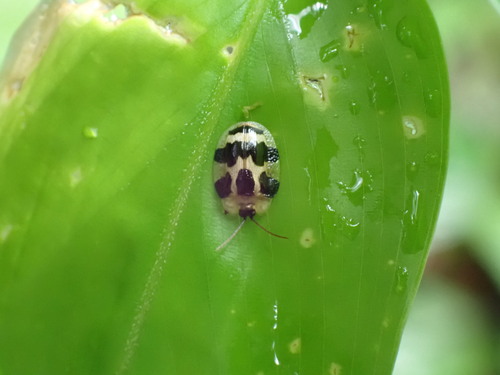
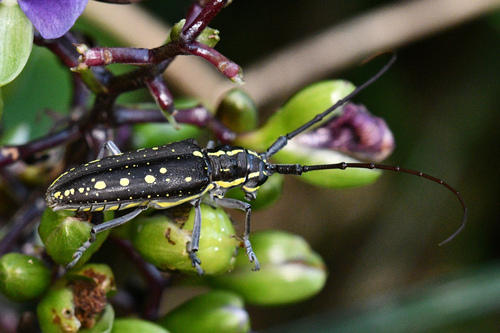
The closest relatives of the Ceiba Borer that you can see in Manu National Park (order Coleoptera, Beetles) are Enema pan (about 30%), Ringed Tortoise Beetle (about 20%) and Scaphidomorphus bosci (about 20%), with each one's daily chance of a sighting.

Where does the Ceiba Borer sighting chance come from?

GBIF citizen-science records

It is estimated from how often the Ceiba Borer is recorded against all the insects logged in Manu National Park (11 verified sightings from 2019 to 2026), calibrated against known sighting rates. Figures are rounded to the nearest 10% because citizen-science data supports honest approximations, not decimals, and months with records from fewer than five people show "—". How it works.

← Back to Manu National Park