African Migrant

African Migrant

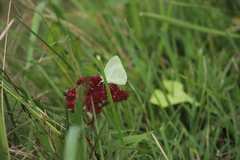
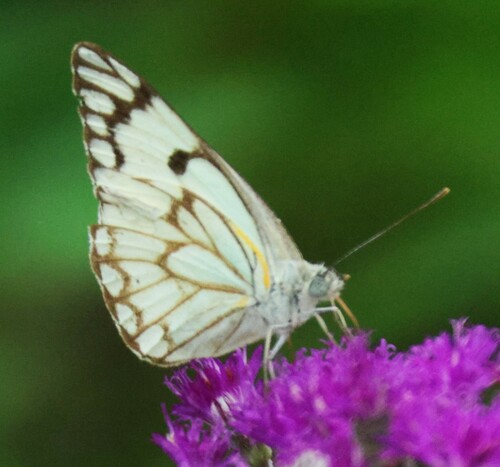
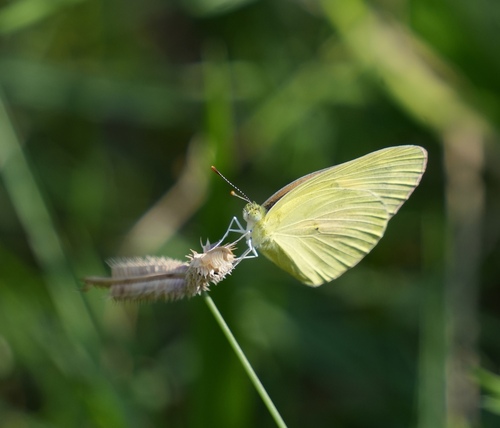
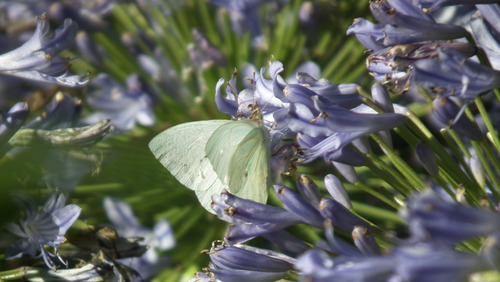
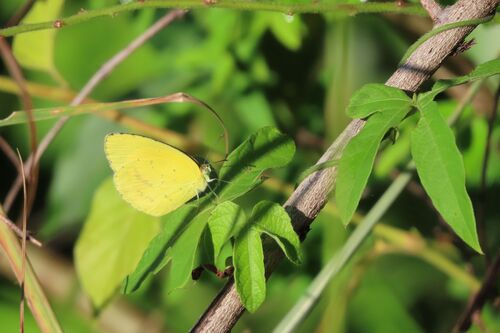
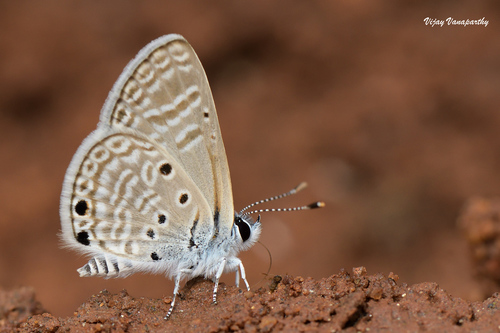
Catopsilia florella

Daily sighting probability ~10% · With luck
at Namib-Naukluft National Park

In 3 days ~20% in a week ~40%

7 Verified sightings at Namib-Naukluft National Park From 2019 to 2026
302 In all 12 parks
February Best month
☀️ Diurnal When it's spotted

About the African Migrant

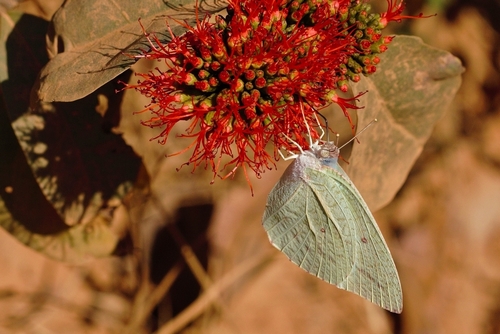
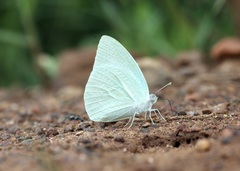
Catopsilia florella, the African migrant, African emigrant, or common vagrant, is a butterfly of the family Pieridae. It is found in Africa (including Madagascar), Arabia (United Arab Emirates, Saudi Arabia, Oman) and the Canary Islands. Like Catopsilia pomona, this species also has a habit of migration. Many early authors mentioned the presence of this species in Asia; but those were probably due to confusion arises as Catopsilia pyranthe females exhibit a lot of seasonal variations. Catopsilia florella is not included as a species in India in any recent checklists.

The wingspan is 54–60 mm for males and 56–66 mm for females. Adults are on wing year-round. From South Africa, adults migrate from summer to autumn. They fly in a north-eastern direction. The larvae feed on Senna occidentalis, Senna septentrionalis, Senna petersiana, Senna italica, Cassia javanica, and Cassia fistula. Wikipedia →
Global Distribution

Parks Where Found

# Park Country Daily sighting probability
1 Kgalagadi Transfrontier Park 🇿🇦 South Africa
~30%
2 Gonarezhou National Park 🇿🇼 Zimbabwe
~30%
3 Gorongosa National Park 🇲🇿 Mozambique
~20%
4 Kruger National Park 🇿🇦 South Africa
~20%
5 iSimangaliso Wetland Park 🇿🇦 South Africa
~10%
6 Hluhluwe-Imfolozi Park 🇿🇦 South Africa
~10%
7 Etosha National Park 🇳🇦 Namibia
~10%
8 Pilanesberg National Park 🇿🇦 South Africa
~10%
9 Namib-Naukluft National Park 🇳🇦 Namibia
~10%
10 Addo Elephant National Park 🇿🇦 South Africa
~10%
11 Garden Route National Park 🇿🇦 South Africa
~10%
12 Table Mountain National Park 🇿🇦 South Africa
<5%

Cities Where Found

# City Country Daily sighting probability
1 Accra 🇬🇭 Ghana
~30%
2 Kigali 🇷🇼 Rwanda
~30%
3 Ouagadougou 🇧🇫 Burkina Faso
~20%
4 Lusaka 🇿🇲 Zambia
~20%
5 Pretoria 🇿🇦 South Africa
~20%
6 Cairo 🇪🇬 Egypt
~20%
7 Antananarivo 🇲🇬 Madagascar
~20%
8 Nairobi 🇰🇪 Kenya
~20%
9 Johannesburg 🇿🇦 South Africa
~10%
10 Kampala 🇺🇬 Uganda
~10%

Before you go

What are the chances of seeing an African Migrant in Namib-Naukluft National Park?

With luck

About 10% of wildlife watchers report an African Migrant sighting in Namib-Naukluft National Park on a given day, based on 7 verified sightings from GBIF citizen-science data from 2019 to 2026. It is the 41st most-seen of the 60 insects we can rate there. Over three days the chance rises to about 20%, and over a week to about 40%, if each day is a fresh chance.

When is the best time to see an African Migrant in Namib-Naukluft National Park?

February and March

In those months about 20% of wildlife watchers report an African Migrant in Namib-Naukluft National Park on a given day, against under 5% in April and July–January, the lowest months.

What time of day is best to see an African Migrant?

Between noon and 3 pm

Across all the parks we cover, that three-hour window holds the most African Migrant sightings with a recorded time, and nearly all of them come between 6 am and 6 pm: it is a daytime animal.

Which relatives of the African Migrant live in Namib-Naukluft National Park?

Same family: Pieridae

The closest relatives of the African Migrant that you can see in Namib-Naukluft National Park (family Pieridae, Whites, Yellows, and Sulphurs) are Pioneer White (about 20%), Small Salmon Arab (about 10%) and Plain Vagrant (about 10%), with each one's daily chance of a sighting.

Where does the African Migrant sighting chance come from?

GBIF citizen-science records

It is estimated from how often the African Migrant is recorded against all the insects logged in Namib-Naukluft National Park (7 verified sightings from 2019 to 2026), calibrated against known sighting rates. Figures are rounded to the nearest 10% because citizen-science data supports honest approximations, not decimals, and months with records from fewer than five people show "—". How it works.

← Back to Namib-Naukluft National Park