

Completed


Painted Lady
Vanessa cardui
- KingdomAnimalia (Animals)
- PhylumArthropoda (Arthropods)
- ClassInsecta (Insects)
- OrderLepidoptera (Butterflies and Moths)
- FamilyNymphalidae (Brush-footed Butterflies)
- GenusVanessa (Ladies and Related Admirals)
- SpeciesVanessa cardui (Painted Lady)
In 3 days ~50% in a week ~80%
37 Verified sightings at Namib-Naukluft National Park From 2019 to 2026
3,836 In all 66 parks
May Best month
☀️ Diurnal When it's spotted
About the Painted Lady
Vanessa cardui is the most widespread of all butterfly species. It is commonly called the painted lady, or formerly in North America the cosmopolitan butterfly. Male and female. Upperside. Ground-colour reddish-ochreous, basal areas olivescent-ochreous-brown; cilia black, alternated with white, Forewing with an outwardly-oblique black irregular-shaped broken band crossing from middle of the cell to the disc above the submedian vein; the apical area from end of cell and the exterior border also black; before the apex is a short white outwardly-oblique streak and a curved row of four round spots, the second and third being small; a marginal pale lunular line with its upper portion most defined and whitish. Hind-wing with a blackish patch from the costal vein across end of cell, a partly confluent recurved discal band, a submarginal row of lunules, and then a marginal row of somewhat scutiform spots; between the discal band and submarginal lunules is a row of five round black spots, which in some examples show a pale and dark outer ring. Underside. Forewing brighter reddish-ochreous, the apical area and outer margin much paler, the apex being olivescent ochreous-brown... Wikipedia →
Recent sightings of Painted Lady in Namib-Naukluft National Park
LIVEiNaturalistGlobal Distribution
Parks Where Found
Cities Where Found
| # | City | Country | Daily sighting probability |
|---|---|---|---|
| 1 | Kuwait City | 🇰🇼 Kuwait | |
| 2 | Dammam | 🇸🇦 Saudi Arabia | |
| 3 | Amman | 🇯🇴 Jordan | |
| 4 | Addis Ababa | 🇪🇹 Ethiopia | |
| 5 | Barcelona | 🇪🇸 Spain | |
| 6 | Jerusalem | 🇮🇱 Israel | |
| 7 | Athens | 🇬🇷 Greece | |
| 8 | Antananarivo | 🇲🇬 Madagascar | |
| 9 | Casablanca | 🇲🇦 Morocco | |
| 10 | Ankara | 🇹🇷 Turkey |
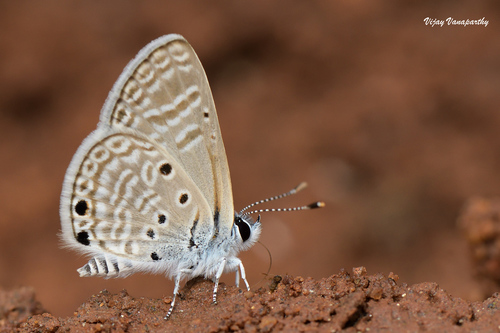
Closest Relatives at Namib-Naukluft National Park

Before you go
What are the chances of seeing a Painted Lady in Namib-Naukluft National Park?
Possible
About 20% of wildlife watchers report a Painted Lady sighting in Namib-Naukluft National Park on a given day, based on 37 verified sightings from GBIF citizen-science data from 2019 to 2026. It is the 5th most-seen of the 60 insects we can rate there. Over three days the chance rises to about 50%, and over a week to about 80%, if each day is a fresh chance.
When is the best time to see a Painted Lady in Namib-Naukluft National Park?
May and June
In those months about 40% of wildlife watchers report a Painted Lady in Namib-Naukluft National Park on a given day, against under 5% in September and November, the lowest months.
What time of day is best to see a Painted Lady?
Between 10 am and 1 pm
Across all the parks we cover, that three-hour window holds the most Painted Lady sightings with a recorded time, and about 9 in 10 of them come between 6 am and 6 pm: it is a daytime animal.
Is Namib-Naukluft National Park the best place to see a Painted Lady?
24th of 66
Of the 66 parks where we can rate Painted Lady sightings, Namib-Naukluft National Park ranks 24th at about 20%. The best odds are in Death Valley National Park (United States, about 40%), Aigüestortes National Park (Spain, about 40%) and Joshua Tree National Park (United States, about 40%). All parks ranked.
Which relatives of the Painted Lady live in Namib-Naukluft National Park?
Same family: Nymphalidae
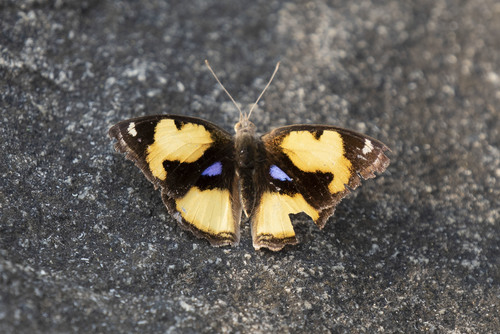
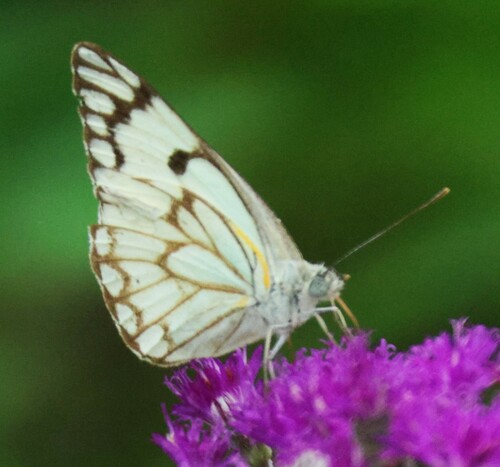
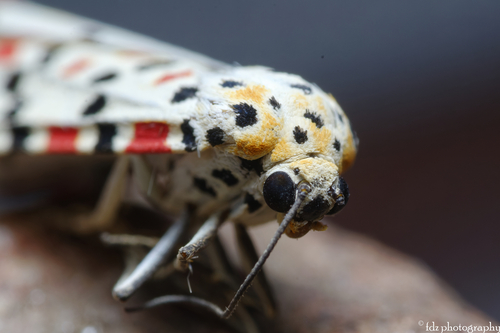
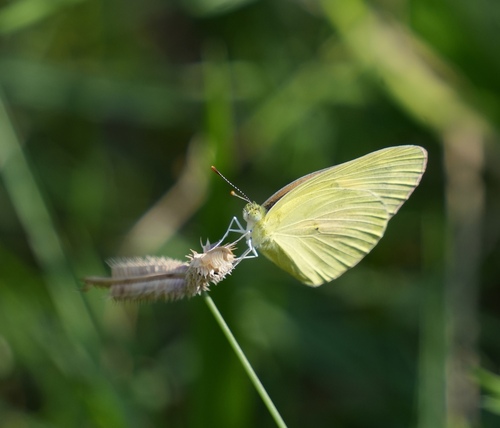
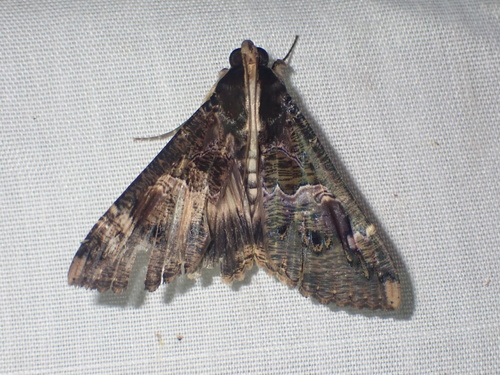
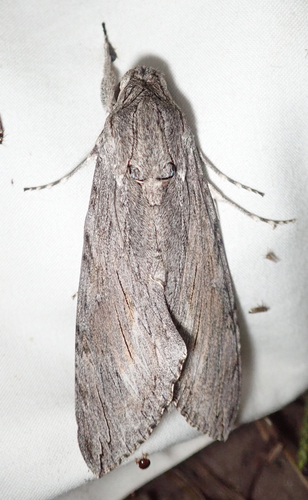
The closest relatives of the Painted Lady that you can see in Namib-Naukluft National Park (family Nymphalidae, Brush-footed Butterflies) are Yellow Pansy (about 10%) and Plain Tiger Butterfly (about 10%), with each one's daily chance of a sighting.
Where does the Painted Lady sighting chance come from?
GBIF citizen-science records
It is estimated from how often the Painted Lady is recorded against all the insects logged in Namib-Naukluft National Park (37 verified sightings from 2019 to 2026), calibrated against known sighting rates. Figures are rounded to the nearest 10% because citizen-science data supports honest approximations, not decimals, and months with records from fewer than five people show "—". How it works.
