Nitmiluk National Park
🇦🇺 Australia
Oceania, Australia 599 spp. recorded
Nitmiluk National Park is a rugged sandstone landscape in Australia's Northern Territory, defined by deep river gorges and rocky plateaus. Deep within the canyons, visitors encounter the Freshwater Crocodile resting on sandy riverbanks during the warm daylight hours.
-14.094° S 132.508° E
🦜 Nature

219 Species sighted
10,008 Verified sightings From 2019 to 2026
May Best month
⭐ Iconic Species


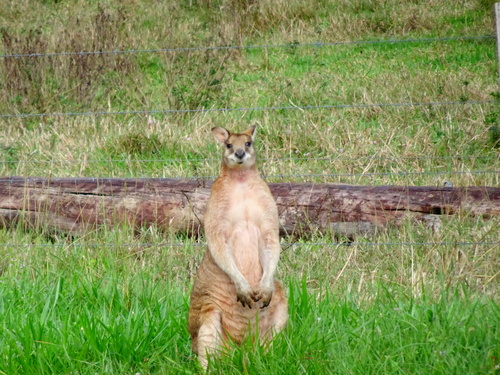

📊 Most Spotted


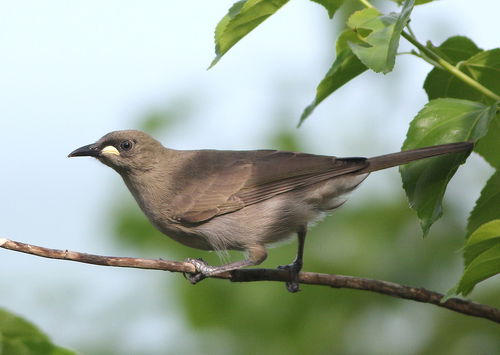

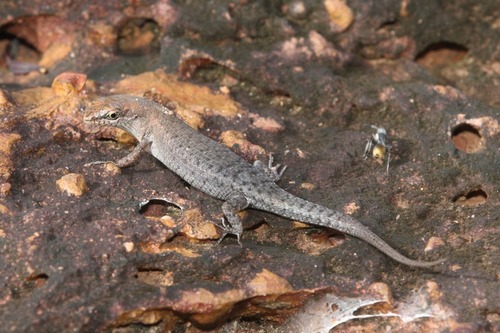


⭐ Iconic Species
📊 Most Spotted


📊 Most Spotted


⭐ Iconic Species
📊 Most Spotted
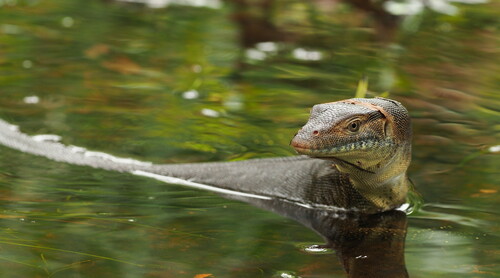

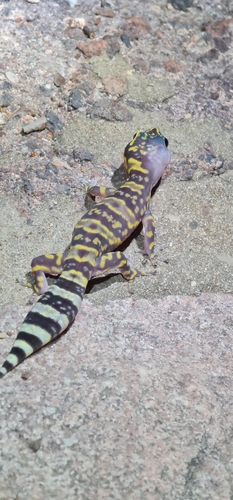

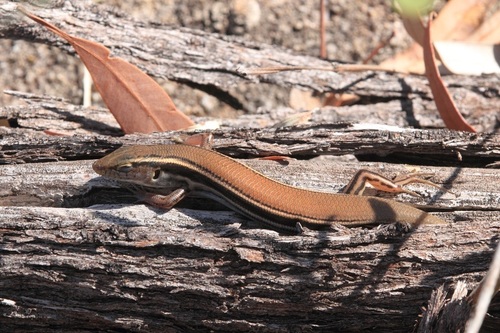


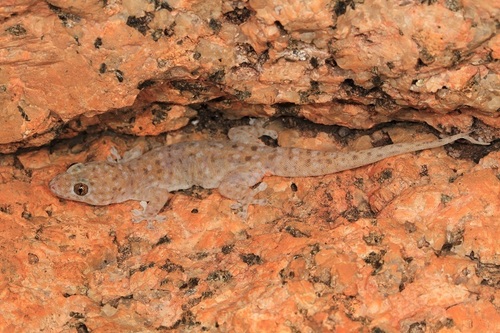


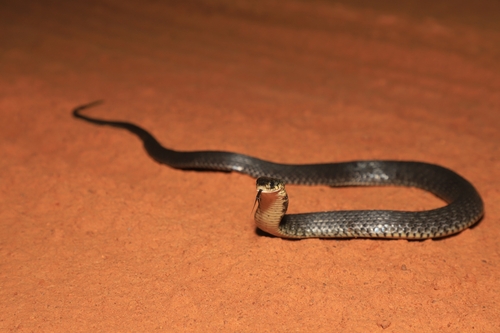
⭐ Iconic Species
📊 Most Spotted


📊 Most Spotted


+ 473 more species with insufficient data
Recent sightings in Nitmiluk National Park
LIVEiNaturalistSighting Calendar
How many species you'd see in a day
29Jan
29Feb
28Mar
33Apr
34May
33Jun
28Jul
31Aug
30Sep
25Oct
25Nov
28Dec
Sighting Zones
Warmer areas are where all species together are recorded most often.
-
Edith Falls
Daily sight. prob.vs avg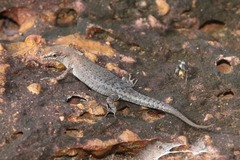 Bauxite Rainbow Skink~80%+20%
 Brown-backed Ctenotus~70%+30%
 Great Bowerbird~60%-20%
 Mertens's Water Monitor~60%+20%
 Watjulum Frog~60%+20%
 Bar-shouldered Dove~60%-10%
 White-throated Honeyeater~60%≈
 Red-collared Lorikeet~60%-20%
 Rockhole Frog~60%≈
 Brown Honeyeater~50%-10%
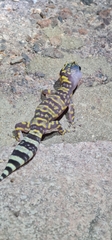 Marbled Velvet Gecko~50%+10%
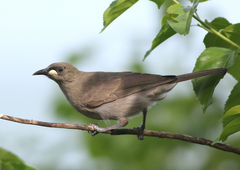 White-gaped Honeyeater~50%-10%
-
Visitor centre
Daily sight. prob.vs avg Freshwater Crocodile~90%+10%
- Bauxite Rainbow Skink~70%+10%
- Great Bowerbird~70%-10%
- Rockhole Frog~60%+10%
 Black-palmed Rock Monitor~60%+20%
 Little Red Flying Fox~60%+20%
- Red-collared Lorikeet~50%-20%
 Eastern Cane Toad~50%+10%
 Wallaroo~50%+20%
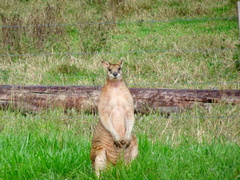 Agile Wallaby~50%+20%
 Torresian Crow~50%-10%
 Black Flying-fox~50%+10%
-
Jatbula Trail · Sweetwater Pool
Daily sight. prob.vs avg- Bauxite Rainbow Skink~80%+20%
- Brown-backed Ctenotus~70%+40%
- Mertens's Water Monitor~70%+30%
- Rockhole Frog~60%+10%
- White-gaped Honeyeater~60%≈
- Brown Honeyeater~50%-10%
- Red-collared Lorikeet~50%-30%
- White-throated Honeyeater~50%-10%
 Peaceful Dove~50%-10%
 Black Treesnake~50%+10%
 Lined Firetail Skink~50%+20%
- Marbled Velvet Gecko~50%+10%
-
Nitmiluk Gorge
Daily sight. prob.vs avg- Freshwater Crocodile>90%+20%
- Rockhole Frog~80%+20%
- Torresian Crow~60%≈
- Black Treesnake~50%+10%
- Black-palmed Rock Monitor~50%+10%
 Rainbow Bee-eater~50%-10%
- Great Bowerbird~50%-30%
 Sulphur-crested Cockatoo~40%-20%
- Red-collared Lorikeet~40%-40%
 Blue-faced Honeyeater~40%-10%
- Eastern Cane Toad~30%-10%
- Wallaroo~30%≈
-
Maud Creek
Daily sight. prob.vs avg- Bar-shouldered Dove~40%-40%
- White-gaped Honeyeater~40%-20%
- Red-collared Lorikeet~30%-50%
- Peaceful Dove~30%-30%
- Brown Honeyeater~30%-30%
- White-throated Honeyeater~30%-30%
- Sulphur-crested Cockatoo~30%-30%
- Blue-faced Honeyeater~30%-20%
- Torresian Crow~30%-30%
- Rainbow Bee-eater~30%-30%
- Great Bowerbird~20%-60%
 White-bellied Cuckooshrike~20%-30%
🏕️ Experience
Essentials
Entrance
Paid
Tourism
Low
Typical stay
1–2
daysTrails
Easy
World Heritage
No
Climate
Temp °C Rain mm
JanFebMarAprMayJunJulAugSepOctNovDec
0.0 Good
Wallace's Line Score
How good is this park for seeing wildlife? 🦜
Biodiversity
GoodHow rich is the wildlife?
3.9
Species by taxon
🦅 Birds 321
🐒 Mammals 80
🦎 Reptiles 169
🐸 Amphibians 29
599 Total Species
828 Global average across 316 parks
21 Threatened 265 Endemic
🔭
Sighting
GoodHow likely to see animals?
3.1
🎯
Top-12 Avg Probability
65% 📊
Coverage (131 species at ≥5% of 599 in the inventory)
22% 🔀
Taxon variety in top 12 (10 bird, 2 reptile)
37% 🔭
Species per 10 outings (distinct species a visitor would meet over 10 outings — effort held equal across parks)
74 🌟
Iconic-group species (≥15%) (every species from the 19 iconic groups — monkeys, cats, toucans, macaws, sloths, crocodilians… — not just the 4 highlighted above)
11 ⭐
High-prob species (>40%)
24 🏕️
Experience
ExcellentHow easy and pleasant is the visit?
4.8
Climate Pleasant High
Entrance Paid Low
Tourism Low High
Trails Easy High
World Heritage No —
What visitors say
In addition to the landscape, we saw wildlife including birds and crocodiles.
On the way to Katherine, where we were staying at Nitmiluk National Park and hoping to get a close look at Katherine Gorge.
We first visited the Southern part of Nitmiluk National Park, and now it’s time for the Northern part.
Before you go
What animals can you see in Nitmiluk National Park?
599 species
Nitmiluk National Park has 599 recorded vertebrate species. The ones wildlife watchers report most often on a given day are Great Bowerbird (about 80%), Red-collared Lorikeet (about 80%), Freshwater Crocodile (about 80%), Bar-shouldered Dove (about 70%) and Brown Honeyeater (about 60%). Among mammals, the most-seen is Black Flying-fox (about 40%); among amphibians, Rockhole Frog (about 50%).
When is the best time to visit Nitmiluk National Park for wildlife?
April–June and August
In those months the park's 12 most-seen species average about 70% on a given day, against about 50% in October. Those are among Nitmiluk National Park's driest months, with about 15 mm of rain a month against 270 mm in January.
Can you see a Freshwater Crocodile in Nitmiluk National Park?
Yes
About 80% of wildlife watchers report a Freshwater Crocodile sighting in Nitmiluk National Park on a given day, based on 80 verified sightings from GBIF citizen-science data from 2019 to 2026. The best time is June (about 90%).
Can you see a Rockhole Frog in Nitmiluk National Park?
Yes
About 50% of wildlife watchers report a Rockhole Frog sighting in Nitmiluk National Park on a given day, based on 30 verified sightings from GBIF citizen-science data from 2019 to 2026. The best time is February, April and June (about 70%).
Can you see a Black Flying-fox in Nitmiluk National Park?
Yes
About 40% of wildlife watchers report a Black Flying-fox sighting in Nitmiluk National Park on a given day, based on 15 verified sightings from GBIF citizen-science data from 2019 to 2026. The best time is May (about 60%).
Can you see an Agile Wallaby in Nitmiluk National Park?
Yes
About 30% of wildlife watchers report an Agile Wallaby sighting in Nitmiluk National Park on a given day, based on 8 verified sightings from GBIF citizen-science data from 2019 to 2026. The best time is October (about 60%).
Where in Nitmiluk National Park is wildlife easiest to see?
Around Edith Falls
The richest sighting zone is around Edith Falls, followed by Visitor centre and Jatbula Trail · Sweetwater Pool, ranked by how many of the park's headline animals visitors can expect to see in each. See the zones on the map.
Is Nitmiluk National Park good for wildlife watching?
3.3 out of 5
On the Wallace's Line Score, Nitmiluk National Park rates 3.3/5: 243rd of 316 parks worldwide and 22nd in Oceania. 32 of its species are reported by about 40% or more of wildlife watchers on a given day.


