Roseate Skimmer

Roseate Skimmer

Orthemis ferruginea

Daily sighting probability ~20% · Possible
at Palo Verde National Park

In 3 days ~60% in a week ~90%

15 Verified sightings at Palo Verde National Park From 2019 to 2026
174 In all 9 parks
December Best month
☀️ Diurnal When it's spotted

About the Roseate Skimmer

The roseate skimmer (Orthemis ferruginea) is a species of dragonfly in the family Libellulidae. It is native to the Americas, where its distribution extends from the United States to Brazil. It is common and widespread. It is an introduced species in Hawaii.

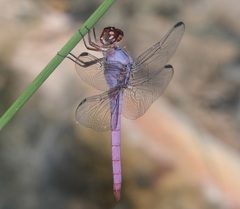
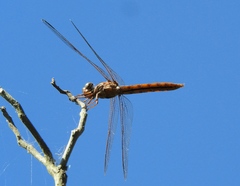
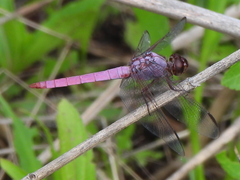
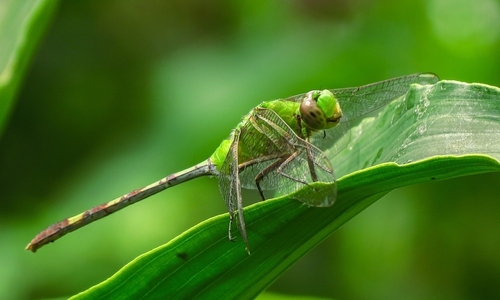
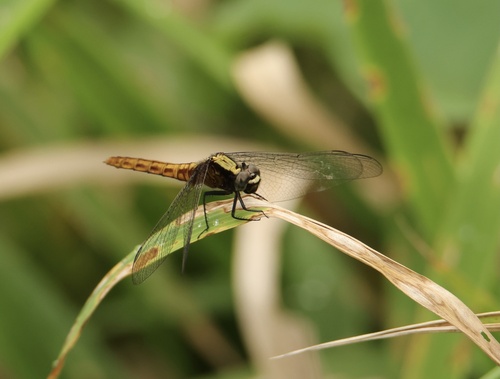
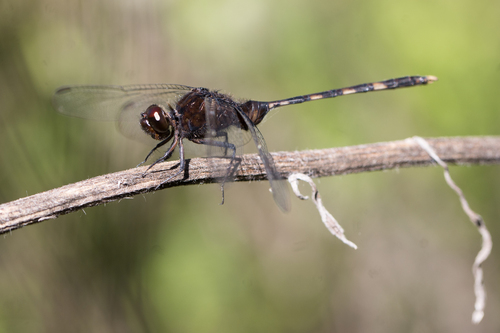
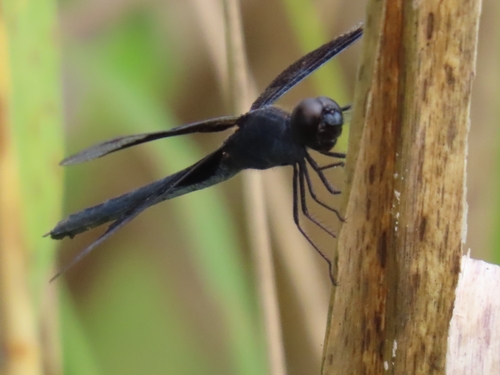
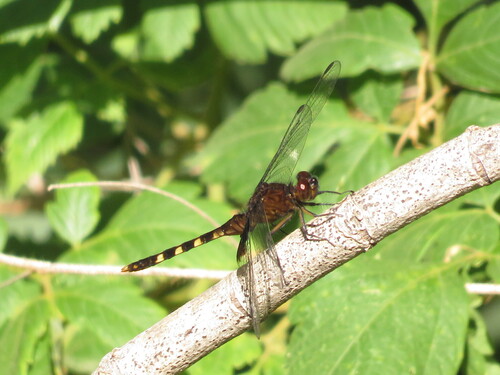
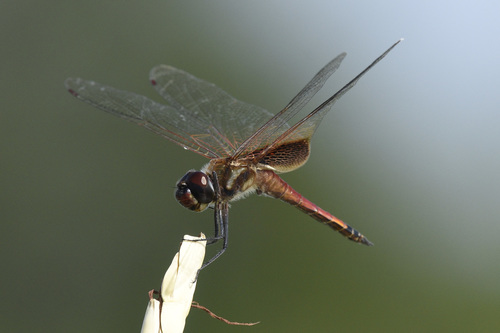
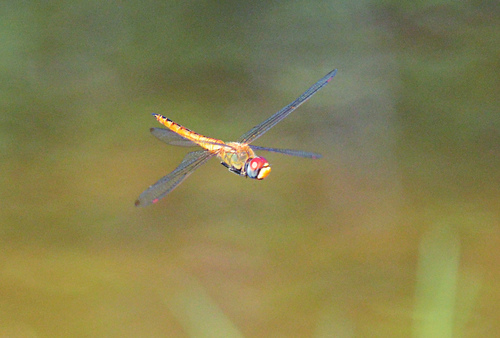
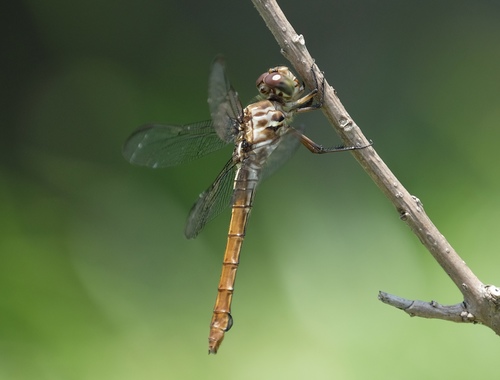
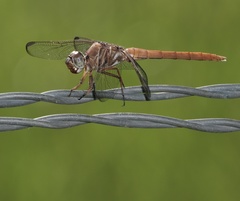
The male of the species has a rose pink and red abdomen. The female has an orange-brown abdomen with clear orange veins and a brownish thorax with a light stripe down the back. The wings are normally clear except for brown pterostigmata at the leading edges.

It is 46–55 millimetres (1.8–2.2 in) in length with a wingspan 35–44 millimetres (1.4–1.7 in) long. Males are highly territorial, defending their territory aggressively against other male roseate skimmers that fly near. It tolerates a wide range of habitat types, but usually requires open water. This can include disturbed and artificial water bodies, such as tanks and ditches. It can live in open or vegetated land. It breeds in the mud. Wikipedia →

Global Distribution

Parks Where Found

# Park Country Daily sighting probability
1 Palo Verde National Park 🇨🇷 Costa Rica
~20%
2 Ciénaga de Zapata 🇨🇺 Cuba
~20%
3 Ría Lagartos Biosphere Reserve 🇲🇽 Mexico
~20%
4 Big Bend National Park 🇺🇸 United States
~20%
5 Saguaro National Park 🇺🇸 United States
~10%
6 Everglades National Park 🇺🇸 United States
~10%
7 Big Cypress National Preserve 🇺🇸 United States
~10%
8 Merritt Island National Wildlife Refuge 🇺🇸 United States
~10%
9 Cumbres de Monterrey National Park 🇲🇽 Mexico
~10%

Cities Where Found

# City Country Daily sighting probability
1 Mesa 🇺🇸 United States
~20%
2 Houston 🇺🇸 United States
~10%
3 Austin 🇺🇸 United States
~10%
4 San Pedro Sula 🇭🇳 Honduras
~10%
5 Torreón 🇲🇽 México
~10%
6 Phoenix 🇺🇸 United States
~10%
7 Orlando 🇺🇸 United States
~10%
8 San Antonio 🇺🇸 United States
~10%
9 Las Vegas 🇺🇸 United States
~10%
10 Guadalajara 🇲🇽 México
~10%

Before you go

What are the chances of seeing a Roseate Skimmer in Palo Verde National Park?

Possible

About 20% of wildlife watchers report a Roseate Skimmer sighting in Palo Verde National Park on a given day, based on 15 verified sightings from GBIF citizen-science data from 2019 to 2026. It is the 11th most-seen of the 30 insects we can rate there. Over three days the chance rises to about 60%, and over a week to about 90%, if each day is a fresh chance.

When is the best time to see a Roseate Skimmer in Palo Verde National Park?

June and December

In those months about 40% of wildlife watchers report a Roseate Skimmer in Palo Verde National Park on a given day, against under 5% in April–May and August–October, the lowest months.

What time of day is best to see a Roseate Skimmer?

Between 10 am and 1 pm

Across all the parks we cover, that three-hour window holds the most Roseate Skimmer sightings with a recorded time, and about 9 in 10 of them come between 6 am and 6 pm: it is a daytime animal.

Is Palo Verde National Park the best place to see a Roseate Skimmer?

Yes

Of the 9 parks where we can rate Roseate Skimmer sightings, Palo Verde National Park has the highest daily chance: about 20%. Next come Ciénaga de Zapata (Cuba, about 20%) and Ría Lagartos Biosphere Reserve (Mexico, about 20%).

Which relatives of the Roseate Skimmer live in Palo Verde National Park?

Same family: Libellulidae

The closest relatives of the Roseate Skimmer that you can see in Palo Verde National Park (family Libellulidae, Skimmers) are Great Pondhawk (about 50%), Flame-Tailed Pondhawk (about 30%) and Pin-Tailed Pondhawk (about 20%), with each one's daily chance of a sighting.

Where does the Roseate Skimmer sighting chance come from?

GBIF citizen-science records

It is estimated from how often the Roseate Skimmer is recorded against all the insects logged in Palo Verde National Park (15 verified sightings from 2019 to 2026), calibrated against known sighting rates. Figures are rounded to the nearest 10% because citizen-science data supports honest approximations, not decimals, and months with records from fewer than five people show "—". How it works.
← Back to Palo Verde National Park