


Completed



Eastern Cottontail
Sylvilagus floridanus
Silhouette: T. Michael Keesey · PhyloPic
- KingdomAnimalia (Animals)
- PhylumChordata (Chordates)
- ClassMammalia (Mammals)
- OrderLagomorpha (Lagomorphs)
- FamilyLeporidae (Hares and Rabbits)
- GenusSylvilagus (Cottontail Rabbits)
- SpeciesSylvilagus floridanus (Eastern Cottontail)
In 3 days ~70% in a week >90%
107 Verified sightings at Point Pelee National Park From 2019 to 2026
355 In all 7 parks
July Best month
🌅 Crepuscular When it's spotted
About the Eastern Cottontail
The eastern cottontail (Sylvilagus floridanus) is a species of rabbit in the family Leporidae. It is the most widespread and abundant rabbit species in North America, inhabiting a wide range that extends from southern Canada throughout most of the United States and into parts of Mexico, Central America, and the northern regions of South America. Known for its distinctive fluffy white tail, which resembles a cotton ball and gives the species its common name, the eastern cottontail typically inhabits open fields, meadows, and brushy areas where it can easily find cover and food. It is a primarily herbivorous, crepuscular mammal that feeds on grasses, herbs, twigs, and bark, and plays an important role in the ecosystem as prey for a variety of predators including foxes, hawks, and owls. Due to its adaptability to human-altered landscapes such as suburban and agricultural areas, the eastern cottontail has maintained stable population levels and is not considered threatened. It is also well known for its high reproductive rate, with females capable of producing multiple large litters annually, which contributes to its widespread presence.
Sylvilagus floridanus is a member... Wikipedia →
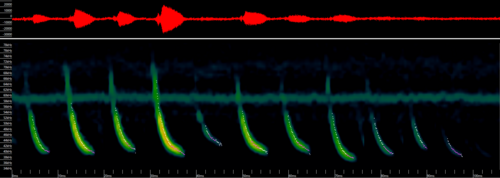
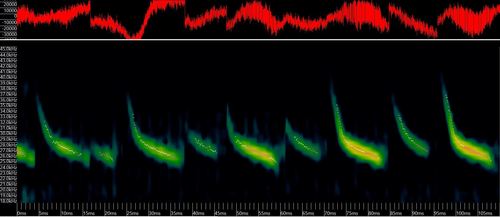
Sounds
Recording0:07
United States · 2025
© tigerj · iNaturalist · CC BY-NC 4.0
Recording0:06
United States · 2026
© apolloslibrarian · iNaturalist · CC BY-NC 4.0
Recent sightings of Eastern Cottontail in Point Pelee National Park
LIVEiNaturalistGlobal Distribution
Parks Where Found
| # | Park | Country | Daily sighting probability |
|---|---|---|---|
| 1 | Point Pelee National Park | 🇨🇦 Canada | |
| 2 | Shenandoah National Park | 🇺🇸 United States | |
| 3 | Great Smoky Mountains National Park | 🇺🇸 United States | |
| 4 | Badlands National Park | 🇺🇸 United States | |
| 5 | Merritt Island National Wildlife Refuge | 🇺🇸 United States | |
| 6 | Cumbres de Monterrey National Park | 🇲🇽 Mexico | |
| 7 | Great Bear Rainforest | 🇨🇦 Canada |
Cities Where Found
| # | City | Country | Daily sighting probability |
|---|---|---|---|
| 1 | Boston | 🇺🇸 United States | |
| 2 | Seattle | 🇺🇸 United States | |
| 3 | Minneapolis [Saint Paul] | 🇺🇸 United States | |
| 4 | Turin | 🇮🇹 Italy | |
| 5 | Detroit | 🇺🇸 United States | |
| 6 | Chicago | 🇺🇸 United States | |
| 7 | Montreal | 🇨🇦 Canada | |
| 8 | Toronto | 🇨🇦 Canada | |
| 9 | Dallas | 🇺🇸 United States | |
| 10 | Washington | 🇺🇸 United States |
Zoos & Centres Where Found
| # | Zoo / Centre | Country | |
|---|---|---|---|
| 1 | Sedgwick County Zoo | 🇺🇸 United States | |
| 2 | ZooAmerica | 🇺🇸 United States | |
| 3 | Ralph Perkins II Wildlife Center and Woods Garden | 🇺🇸 United States | |
| 4 | Dallas World Aquarium | 🇺🇸 United States |
Closest Relatives at Point Pelee National Park
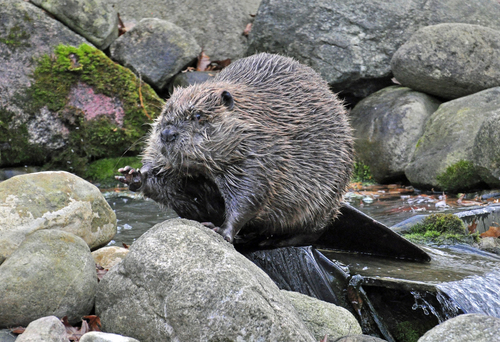
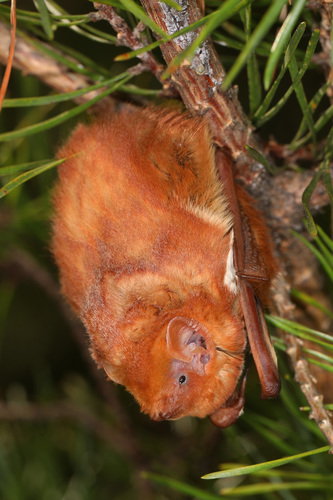
No species of the same family or order lives in Point Pelee National Park, so these are its closest relatives here: other mammals.






Before you go
What are the chances of seeing an Eastern Cottontail in Point Pelee National Park?
Likely
About 40% of wildlife watchers report an Eastern Cottontail sighting in Point Pelee National Park on a given day, based on 107 verified sightings from GBIF citizen-science data from 2019 to 2026. It is the 2nd most-seen of the 17 mammals we can rate there. Over three days the chance rises to about 70%, and over a week to over 90%, if each day is a fresh chance.
When is the best time to see an Eastern Cottontail in Point Pelee National Park?
July
In that month about 60% of wildlife watchers report an Eastern Cottontail in Point Pelee National Park on a given day, against under 5% in February–March and November, the lowest months.
What time of day is best to see an Eastern Cottontail?
Between 5 and 8 pm
Across all the parks we cover, that three-hour window holds the most Eastern Cottontail sightings with a recorded time, and about half of them come between 6 am and 6 pm: it is most active around dawn and dusk.
Is Point Pelee National Park the best place to see an Eastern Cottontail?
Yes
Of the 7 parks where we can rate Eastern Cottontail sightings, Point Pelee National Park has the highest daily chance: about 40%. Next come Shenandoah National Park (United States, about 40%) and Great Smoky Mountains National Park (United States, about 20%).
Where does the Eastern Cottontail sighting chance come from?
GBIF citizen-science records
It is estimated from how often the Eastern Cottontail is recorded against all the mammals logged in Point Pelee National Park (107 verified sightings from 2019 to 2026), calibrated against known sighting rates. Figures are rounded to the nearest 10% because citizen-science data supports honest approximations, not decimals, and months with records from fewer than five people show "—". How it works.
