Pine-Tree Lappet

Pine-Tree Lappet

Dendrolimus pini

Daily sighting probability ~10% · With luck
at Pyrénées National Park

In 3 days ~10% in a week ~30%

16 Verified sightings at Pyrénées National Park From 2019 to 2026
74 In all 6 parks
May Best month
🌙 Nocturnal When it's spotted

About the Pine-Tree Lappet

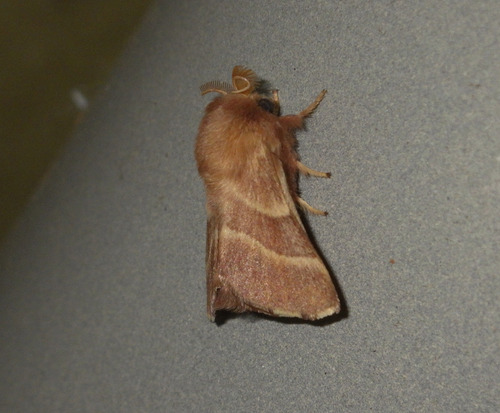
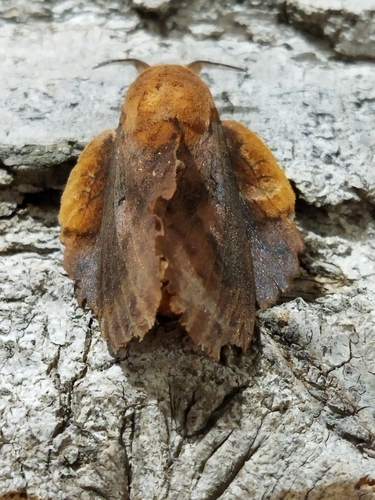
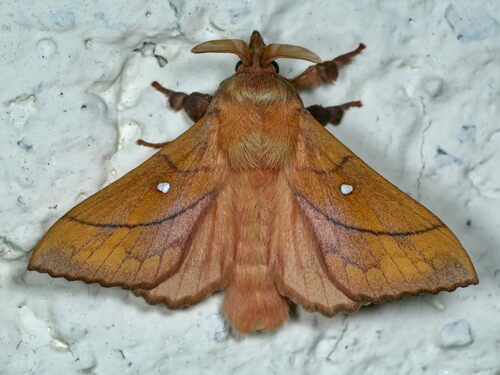
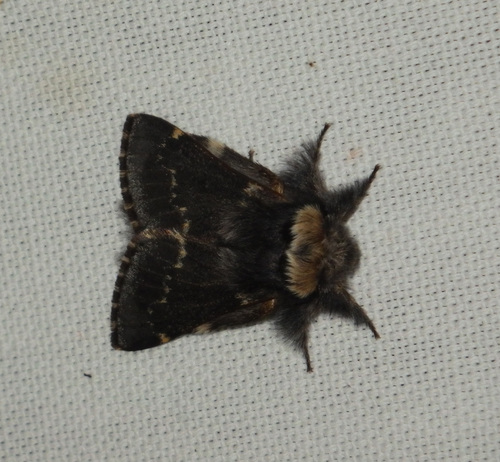
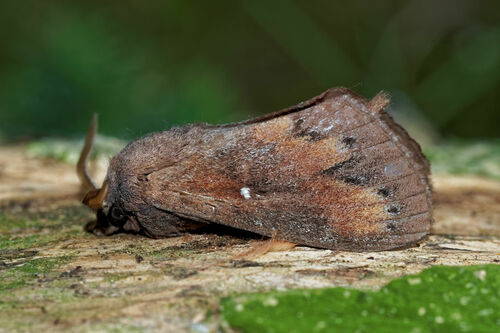
Dendrolimus pini, the pine tree lappet moth or pine moth, is a pest species, a defoliator of coniferous forests. It belongs to the order Lepidoptera and is one of many lappet moths in the Lasiocampidae family. First described by Carl Linnaeus in his 10th edition of Systema Naturae (1758), it has a wide geographic range and has since been documented in Europe, Asia, and North Africa. D. pini has a preference for the Scots pine (Pinus sylvestris), its main host.

The scientific name Dendrolimus pini has both Greek and Latin roots. The prefix "dendro" is from Greek dendron, "tree". The suffix "limus" is Latin for "mud", which may be a reference to the moth's coloration. The epithet "pini" is the genitive of the Latin for "pine".

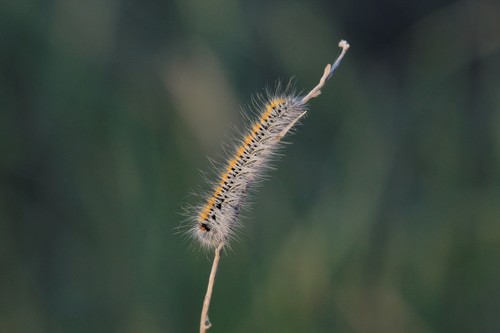
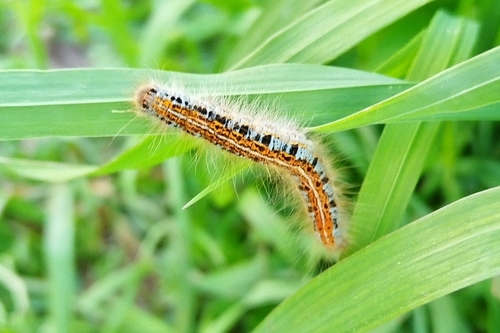
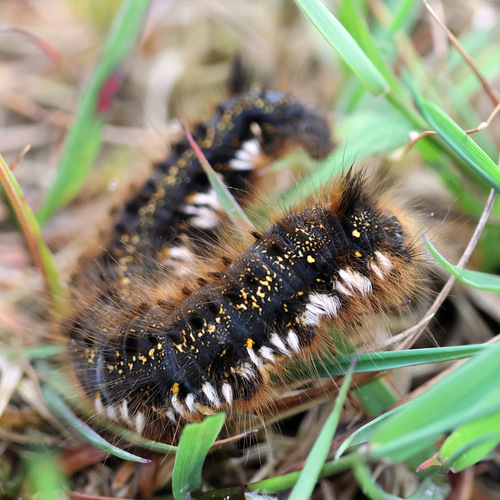
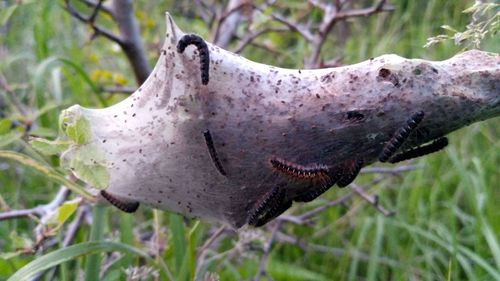
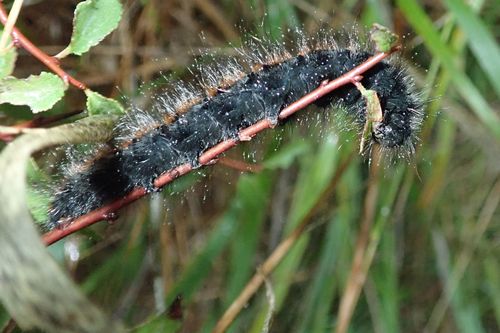
When first laid, the eggs are initially blue-green in colour, but over time they lose their colour, fading into a gray. The eggs are approximately 2 mm in size and take about 14 days to hatch. Larvae reach an approximate length of 2-3 inches. The caterpillar's thorax is covered in black hairs and made up of thick alternating steel-blue bands; the abdominal segments have a black mark bordered by irregular... Wikipedia →
Global Distribution

Parks Where Found

# Park Country Daily sighting probability
1 Mercantour National Park 🇫🇷 France
~10%
2 Triglav National Park 🇸🇮 Slovenia
~10%
3 Cévennes National Park 🇫🇷 France
~10%
4 Bavarian Forest National Park 🇩🇪 Germany
~10%
5 Pyrénées National Park 🇫🇷 France
~10%
6 Wadden Sea National Park 🇩🇪 Germany
<5%

Cities Where Found

# City Country Daily sighting probability
1 Berlin 🇩🇪 Germany
<5%

Before you go

What are the chances of seeing a Pine-Tree Lappet in Pyrénées National Park?

With luck

About 10% of wildlife watchers report a Pine-Tree Lappet sighting in Pyrénées National Park on a given day, based on 16 verified sightings from GBIF citizen-science data from 2019 to 2026. It is the 547th most-seen of the 1277 insects we can rate there. Over three days the chance rises to about 10%, and over a week to about 30%, if each day is a fresh chance.

When is the best time to see a Pine-Tree Lappet in Pyrénées National Park?

May and June

In those months about 10% of wildlife watchers report a Pine-Tree Lappet in Pyrénées National Park on a given day, against under 5% in July to April, the lowest months.

What time of day is best to see a Pine-Tree Lappet?

Between 11 pm and 2 am

Across all the parks we cover, that three-hour window holds the most Pine-Tree Lappet sightings with a recorded time, and about 7 in 10 of them come between 6 pm and 6 am: it is mostly seen at night.

Is Pyrénées National Park the best place to see a Pine-Tree Lappet?

Among the best

Of the 6 parks where we can rate Pine-Tree Lappet sightings, Pyrénées National Park ranks 5th at about 10%, level with the leaders once rounded. The best odds are in Mercantour National Park (France, about 10%), Triglav National Park (Slovenia, about 10%) and Cévennes National Park (France, about 10%).

Which relatives of the Pine-Tree Lappet live in Pyrénées National Park?

Same family: Lasiocampidae

The closest relatives of the Pine-Tree Lappet that you can see in Pyrénées National Park (family Lasiocampidae, Lappet Moths) are Fox Moth (about 20%), Oak Eggar (about 20%) and Grass Eggar (about 10%), with each one's daily chance of a sighting.

Where does the Pine-Tree Lappet sighting chance come from?

GBIF citizen-science records

It is estimated from how often the Pine-Tree Lappet is recorded against all the insects logged in Pyrénées National Park (16 verified sightings from 2019 to 2026), calibrated against known sighting rates. Figures are rounded to the nearest 10% because citizen-science data supports honest approximations, not decimals, and months with records from fewer than five people show "—". How it works.

← Back to Pyrénées National Park