Least Carpet

Least Carpet

Idaea rusticata

Daily sighting probability ~20% · Possible
at Sierra Nevada National Park

In 3 days ~40% in a week ~70%

28 Verified sightings at Sierra Nevada National Park From 2019 to 2026
126 In all 5 parks
July Best month
🌙 Nocturnal When it's spotted

About the Least Carpet

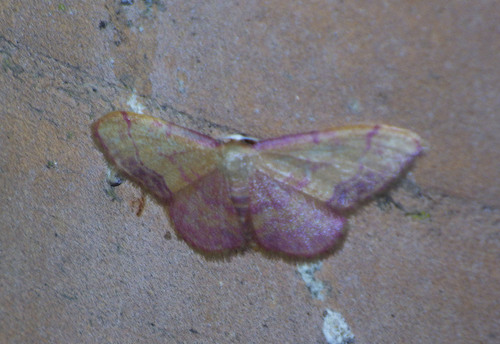
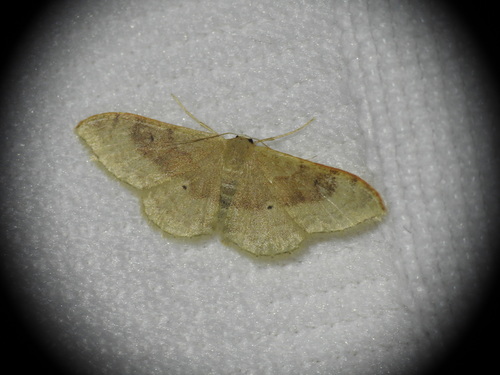
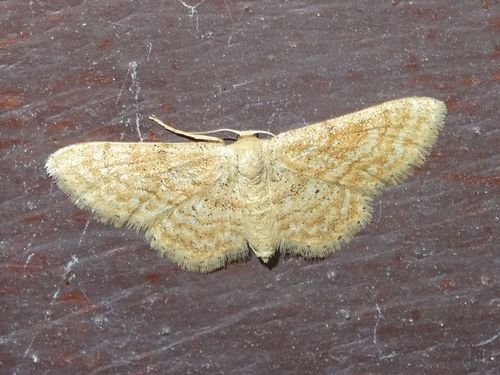
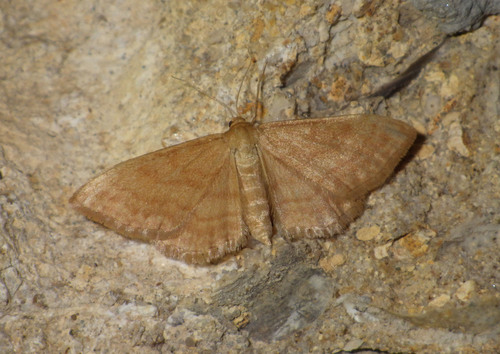
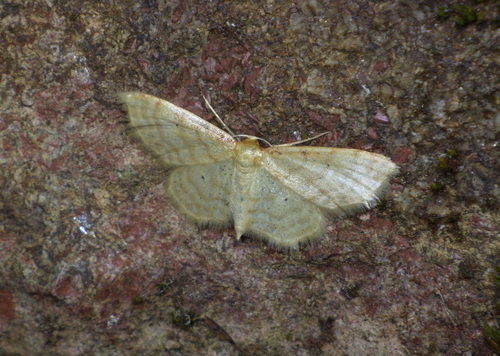
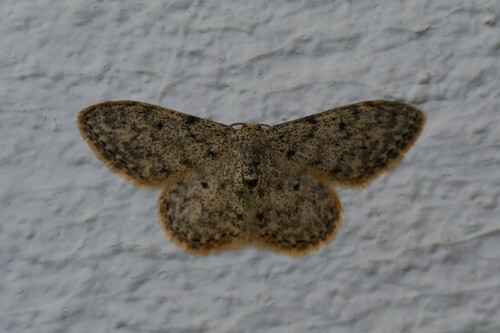
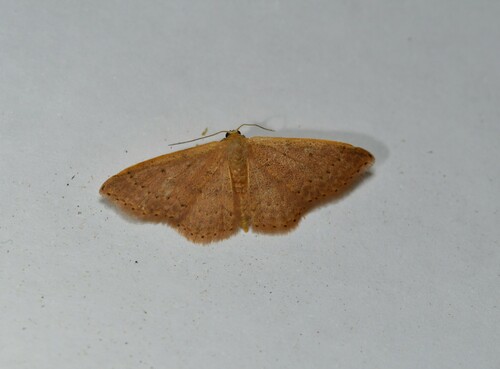
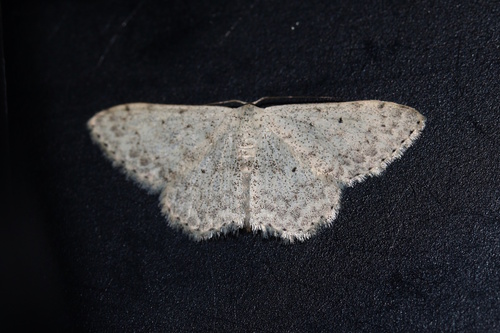
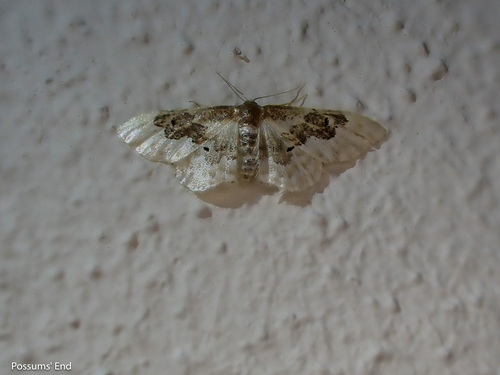
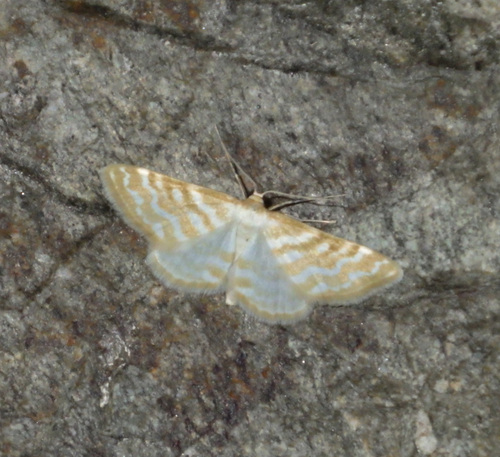
Idaea rusticata, the least carpet, is a moth of the family Geometridae. The species was first described by Michael Denis and Ignaz Schiffermüller in 1775. This species can be found in most of Europe, in the Near East and in North Africa. From the Balkan Peninsula, the occurrence continues across the Palearctic though Ukraine, southern Russia and Asia Minor to the Caucasus and from there via northern Iran, Afghanistan, Turkmenistan, Kyrgyzstan to the Central Asian mountains as far as Mongolia. Of all moths in Britain it showed the greatest percentage increase in abundance between 1968 and 2007, and expanded its range beyond the vicinity of London.

These moths inhabit wastelands, open places, parks and well exposed gardens. Idaea rusticata has a wingspan of 19–21 mm. The length of the forewings is 9–11 mm. The edges of the wings are fringed. The basic colour is whitish or cream, sometimes with a very light brownish tone. The upperside of the forewings shows in the midfield a dark brown to red-brown transverse drawing, with a point-shaped black spot, always within the dark field. This brown marking runs from the front to the rear edge... Wikipedia →
Global Distribution

Parks Where Found

# Park Country Daily sighting probability
1 Kiskunság National Park 🇭🇺 Hungary
~20%
2 Sierra Nevada National Park 🇪🇸 Spain
~20%
3 Cévennes National Park 🇫🇷 France
~10%
4 Sierra de Guadarrama National Park 🇪🇸 Spain
~10%
5 Pyrénées National Park 🇫🇷 France
~10%

Cities Where Found

# City Country Daily sighting probability
1 London 🇬🇧 United Kingdom
~20%
2 Budapest 🇭🇺 Hungary
~20%
3 Vienna 🇦🇹 Austria
~10%
4 Kyiv 🇺🇦 Ukraine
~10%
5 Bucharest 🇷🇴 Romania
~10%
6 Lyon 🇫🇷 France
~10%
7 Essen 🇩🇪 Germany
~10%
8 Sofia 🇧🇬 Bulgaria
~10%
9 Paris 🇫🇷 France
~10%
10 Berlin 🇩🇪 Germany
~10%

Before you go

What are the chances of seeing a Least Carpet in Sierra Nevada National Park?

Possible

About 20% of wildlife watchers report a Least Carpet sighting in Sierra Nevada National Park on a given day, based on 28 verified sightings from GBIF citizen-science data from 2019 to 2026. It is the 113th most-seen of the 479 insects we can rate there. Over three days the chance rises to about 40%, and over a week to about 70%, if each day is a fresh chance.

When is the best time to see a Least Carpet in Sierra Nevada National Park?

July and August

In those months about 30% of wildlife watchers report a Least Carpet in Sierra Nevada National Park on a given day, against under 5% in September to May, the lowest months.

What time of day is best to see a Least Carpet?

Between 10 pm and 1 am

Across all the parks we cover, that three-hour window holds the most Least Carpet sightings with a recorded time, and about 8 in 10 of them come between 6 pm and 6 am: it is mostly seen at night.

Is Sierra Nevada National Park the best place to see a Least Carpet?

Among the best

Of the 5 parks where we can rate Least Carpet sightings, Sierra Nevada National Park ranks 2nd at about 20%, level with the leaders once rounded. The best odds are in Kiskunság National Park (Hungary, about 20%).

Which relatives of the Least Carpet live in Sierra Nevada National Park?

Same genus: Idaea

The closest relatives of the Least Carpet that you can see in Sierra Nevada National Park (genus Idaea) are Idaea sericeata (about 20%), Idaea ostrinaria (about 10%) and Portland Ribbon Wave (about 10%), with each one's daily chance of a sighting.

Where does the Least Carpet sighting chance come from?

GBIF citizen-science records

It is estimated from how often the Least Carpet is recorded against all the insects logged in Sierra Nevada National Park (28 verified sightings from 2019 to 2026), calibrated against known sighting rates. Figures are rounded to the nearest 10% because citizen-science data supports honest approximations, not decimals, and months with records from fewer than five people show "—". How it works.

← Back to Sierra Nevada National Park