Vatnajokull National Park
🇮🇸 Iceland
Europe, Iceland 198 spp. recorded
Vatnajökull National Park sits in southeast Iceland, covering glaciers, volcanic deserts, and coastal fjords. The terrain includes ice caps, lava fields, and moss‑covered tundra, offering open trails across glacial rivers and basalt cliffs.
64.643° N 16.878° W
🦜 Nature

114 Species sighted
11,089 Verified sightings From 2019 to 2026
Oct Best month
⭐ Iconic Species


📊 Most Spotted


📊 Most Spotted


⭐ Iconic Species
📊 Most Spotted


📊 Most Spotted
📊 Most Spotted
📊 Most Spotted
🌙 Most active after dark


+ 144 more species with insufficient data
Recent sightings in Vatnajokull National Park
LIVEiNaturalistSounds of Vatnajokull National Park
Dawn soundscape2:55
Iceland · 2011
© Patrik Åberg · XC347689 · CC BY-NC-SA 4.0
Sighting Calendar
How many species you'd see in a day
14Jan
13Feb
12Mar
16Apr
15May
16Jun
16Jul
16Aug
16Sep
17Oct
10Nov
10Dec
Sighting Zones
Warmer areas are where all species together are recorded most often.








🏕️ Experience
Essentials
Climate
Temp °C Rain mm
JanFebMarAprMayJunJulAugSepOctNovDec
0.0 Moderate
Wallace's Line Score
How good is this park for seeing wildlife? 🦜
Biodiversity
GoodHow rich is the wildlife?
3.1
Species by taxon
🦅 Birds 164
🐒 Mammals 34
🦎 Reptiles 0
🐸 Amphibians 0
198 Total Species
828 Global average across 316 parks
15 Threatened 4 Endemic
🔭
Sighting
GoodHow likely to see animals?
2.6
🎯
Top-12 Avg Probability
60% 📊
Coverage (60 species at ≥5% of 198 in the inventory)
30% 🔀
Taxon variety in top 12 (11 bird, 1 mammal)
20% 🔭
Species per 10 outings (distinct species a visitor would meet over 10 outings — effort held equal across parks)
53 🌟
Iconic-group species (≥15%) (every species from the 19 iconic groups — monkeys, cats, toucans, macaws, sloths, crocodilians… — not just the 4 highlighted above)
5 ⭐
High-prob species (>40%)
12 🏕️
Experience
Very goodHow easy and pleasant is the visit?
3.9
Climate Harsh Low
Entrance Paid Low
Tourism Medium Medium
Trails Easy High
World Heritage Yes Bonus
What visitors say
Apparently the seals give birth to pups on the shore of the lagoon, although we were a month or two early to spot any.
We did see one seal that was swimming, I have no idea how he wasn’t cold!
We drove towards Jökulsárlón from Skaftafell, absorbing the beauty of Vatnajokull as it bears witness to the beauty of nature which engulfs you all through the way.
We also hiked right to to the edge of Skalafellsjokull, an outlet glacier of the Vatnajokull ice cap.
Before you go
What animals can you see in Vatnajokull National Park?
198 species
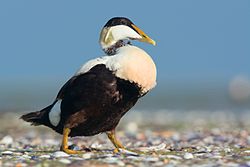
Vatnajokull National Park has 198 recorded vertebrate species. The ones wildlife watchers report most often on a given day are Harbor Seal (about 70%), Arctic Tern (about 70%), White Wagtail (about 70%), Barnacle Goose (about 70%) and Common Eider (about 60%).
When is the best time to visit Vatnajokull National Park for wildlife?
June and July
In those months the park's 12 most-seen species average about 70% on a given day, against about 30% in November and December.
Can you see an Arctic Tern in Vatnajokull National Park?
Yes
About 70% of wildlife watchers report an Arctic Tern sighting in Vatnajokull National Park on a given day, based on 570 verified sightings from GBIF citizen-science data from 2019 to 2026. The best time is August (about 90%).
Can you see a Great Skua in Vatnajokull National Park?
Yes
About 60% of wildlife watchers report a Great Skua sighting in Vatnajokull National Park on a given day, based on 399 verified sightings from GBIF citizen-science data from 2019 to 2026. The best time is June and July (about 70%).
Can you see a Northern Fulmar in Vatnajokull National Park?
Yes
About 60% of wildlife watchers report a Northern Fulmar sighting in Vatnajokull National Park on a given day, based on 441 verified sightings from GBIF citizen-science data from 2019 to 2026. The best time is March (about 90%).
Can you see a Rock Ptarmigan in Vatnajokull National Park?
Yes
About 20% of wildlife watchers report a Rock Ptarmigan sighting in Vatnajokull National Park on a given day, based on 169 verified sightings from GBIF citizen-science data from 2019 to 2026. The best time is December (about 50%).
Where in Vatnajokull National Park is wildlife easiest to see?
Around Jökulsárlón
The richest sighting zone is around Jökulsárlón, followed by Ásbyrgi and Skaftafell, ranked by how many of the park's headline animals visitors can expect to see in each. See the zones on the map.
Is Vatnajokull National Park good for wildlife watching?
2.8 out of 5
On the Wallace's Line Score, Vatnajokull National Park rates 2.8/5: 307th of 316 parks worldwide and 28th in Europe. 15 of its species are reported by about 40% or more of wildlife watchers on a given day.


