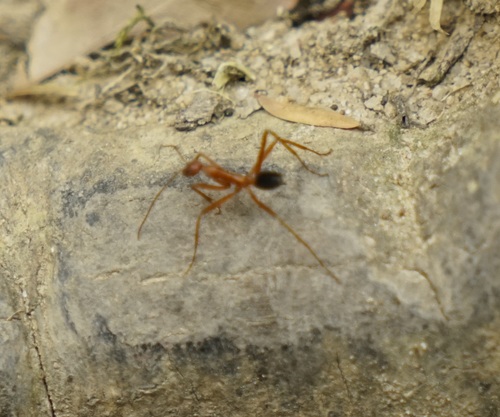
Tasmanian Brown Lacewing

Tasmanian Brown Lacewing

Micromus tasmaniae

Daily sighting probability ~10% · With luck
at Blue Mountains National Park

In 3 days ~20% in a week ~40%

19 Verified sightings at Blue Mountains National Park From 2019 to 2026
50 In all 4 parks
August Best month
🌙 Nocturnal When it's spotted

About the Tasmanian Brown Lacewing

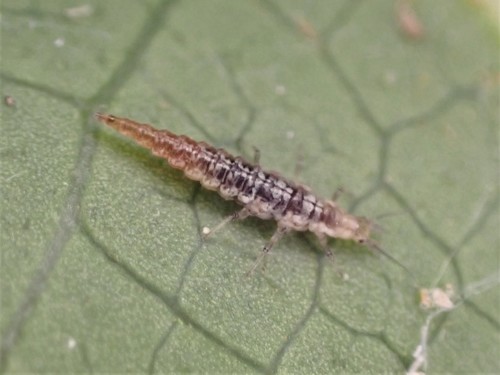
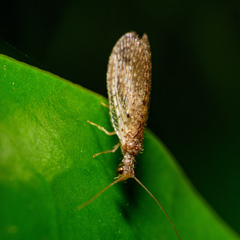
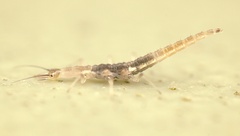
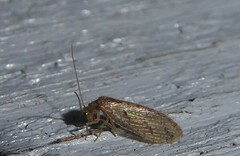
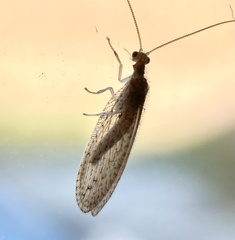
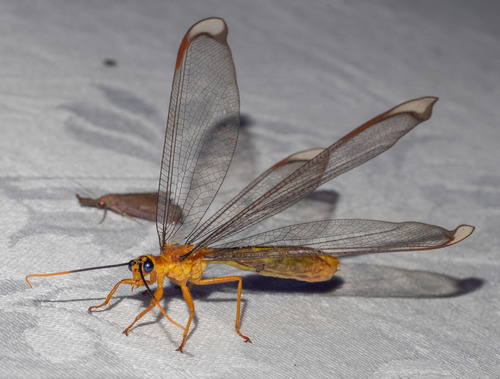
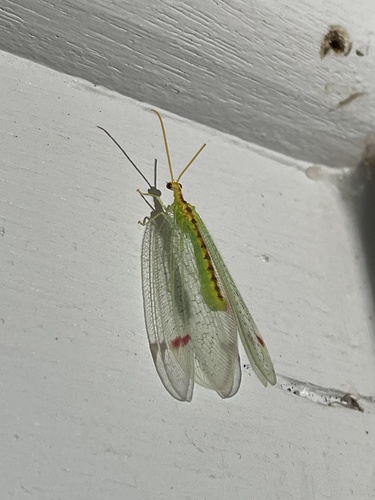
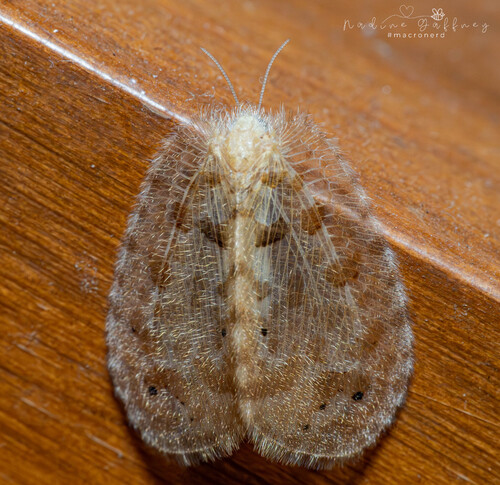
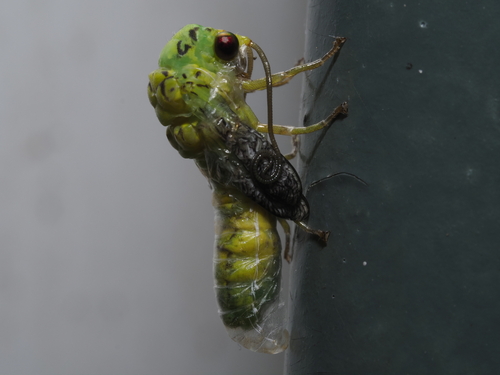
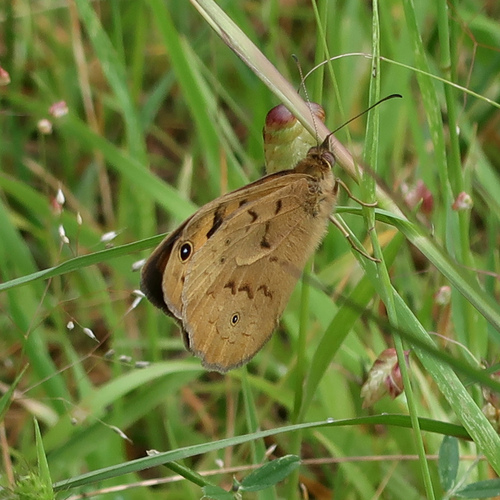
Micromus tasmaniae, known as the Tasmanian brown lacewing, is a species of brown lacewing in the family Hemerobiidae. It is widespread in Australia, New Zealand, and Pacific Islands such as New Caledonia and Vanuatu. Adults of the species are 7.5–10 mm (0.30–0.39 in) long, and are typically nocturnal. The lacewing's lifespan is temperature dependent (higher temperatures causing shorter larval stages). The Tasmanian Brown Lacewing breeds all year round, surviving at temperatures as low as 5 °C (41 °F). The species typically has clear wings and a brown body. The species can be differentiated from Micromus bifasciatus by the spotted pattern on the species' anterior wings, compared to the brown transverse bands found on Micromus bifasciatus.

The lacewings feed on nectar, as well as aphids and psyllids. The species is found widely across Australia, and is likely the most common species found in both Australia and New Zealand. The species has been established in New Zealand since at least 1869, and has been identified in remote areas of the country, including the Chatham Islands, Auckland Islands, Antipodes Islands and Kermadec... Wikipedia →

Global Distribution

Parks Where Found

# Park Country Daily sighting probability
1 Grampians National Park 🇦🇺 Australia
~10%
2 Great Otway National Park 🇦🇺 Australia
~10%
3 Blue Mountains National Park 🇦🇺 Australia
~10%
4 Springbrook National Park 🇦🇺 Australia
~10%

Cities Where Found

# City Country Daily sighting probability
1 Perth 🇦🇺 Australia
~20%
2 Melbourne 🇦🇺 Australia
~10%
3 Auckland 🇳🇿 New Zealand
~10%
4 Brisbane 🇦🇺 Australia
~10%
5 Sydney 🇦🇺 Australia
<5%

Before you go

What are the chances of seeing a Tasmanian Brown Lacewing in Blue Mountains National Park?

With luck

About 10% of wildlife watchers report a Tasmanian Brown Lacewing sighting in Blue Mountains National Park on a given day, based on 19 verified sightings from GBIF citizen-science data from 2019 to 2026. It is the 225th most-seen of the 789 insects we can rate there. Over three days the chance rises to about 20%, and over a week to about 40%, if each day is a fresh chance.

When is the best time to see a Tasmanian Brown Lacewing in Blue Mountains National Park?

August

In that month about 20% of wildlife watchers report a Tasmanian Brown Lacewing in Blue Mountains National Park on a given day, against under 5% in January–February and June, the lowest months. That is one of Blue Mountains National Park's driest months, with about 50 mm of rain against 150 mm in March.

What time of day is best to see a Tasmanian Brown Lacewing?

Between 7 and 10 pm

Across all the parks we cover, that three-hour window holds the most Tasmanian Brown Lacewing sightings with a recorded time, and about 8 in 10 of them come between 6 pm and 6 am: it is mostly seen at night.

Is Blue Mountains National Park the best place to see a Tasmanian Brown Lacewing?

Among the best

Of the 4 parks where we can rate Tasmanian Brown Lacewing sightings, Blue Mountains National Park ranks 3rd at about 10%, level with the leaders once rounded. The best odds are in Grampians National Park (Australia, about 10%) and Great Otway National Park (Australia, about 10%).

Which relatives of the Tasmanian Brown Lacewing live in Blue Mountains National Park?

Same order: Neuroptera

The closest relatives of the Tasmanian Brown Lacewing that you can see in Blue Mountains National Park (order Neuroptera, Antlions, Lacewings, and Allies) are Blue Eyes Lacewing (about 10%) and Diamond-Banded Lacewing (about 10%), with each one's daily chance of a sighting.

Where does the Tasmanian Brown Lacewing sighting chance come from?

GBIF citizen-science records

It is estimated from how often the Tasmanian Brown Lacewing is recorded against all the insects logged in Blue Mountains National Park (19 verified sightings from 2019 to 2026), calibrated against known sighting rates. Figures are rounded to the nearest 10% because citizen-science data supports honest approximations, not decimals, and months with records from fewer than five people show "—". How it works.

← Back to Blue Mountains National Park