










All 2 in 3 days here: ~40%
Cape Range
🇦🇺 Australia
Oceania, Australia 519 spp. recorded
Cape Range is a rugged limestone peninsula in Western Australia where ancient desert gorges drop down to the arid coastal scrubland of the Northwest Cape. Deep within this sun-baked landscape, dry rocky ranges provide a stark habitat sharply contrasted by the turquoise waters of the nearby Indian Ocean.
-22.073° S 113.966° E
🦜 Nature

241 Species sighted
6,023 Verified sightings From 2019 to 2026
Sep Best month
⭐ Iconic Species
📊 Most Spotted
⭐ Iconic Species
📊 Most Spotted
📊 Most Spotted
⭐ Iconic Species
📊 Most Spotted
📊 Most Spotted
📊 Most Spotted
🌙 Most active after dark
+ 411 more species with insufficient data
Challenges you can complete here
Recent sightings in Cape Range
LIVEiNaturalistSighting Calendar
How many species you'd see in a day
23Jan
8.7Feb
24Mar
26Apr
26May
26Jun
24Jul
24Aug
28Sep
26Oct
27Nov
22Dec
Sighting Zones
Warmer areas are where all species together are recorded most often.
-
Oyster Stacks
Daily sight. prob.vs avg -
Yardie Creek
Daily sight. prob.vs avg -
Mangrove Bay
Daily sight. prob.vs avg -
Lakeside Snorkelling Area
Daily sight. prob.vs avg -
Turquoise Bay
Daily sight. prob.vs avg Green Sea Turtle~80%+10%
 Black-flanked Rock-wallaby~80%≈
 Mulga Snake~70%+30%
 Children's Python~60%+20%
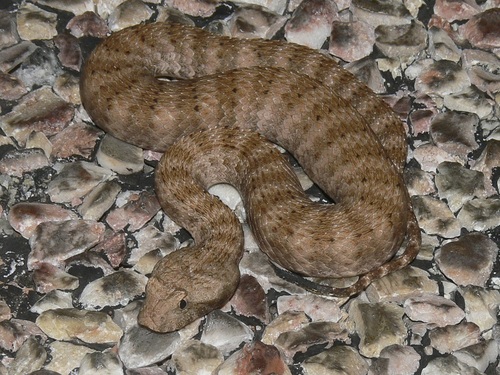
 Pilbara Death Adder~60%+20%
 Silver Gull~50%-30%
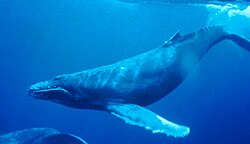 Humpback Whale~40%+10%
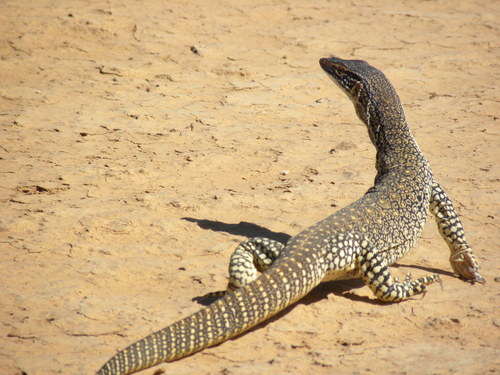
 Gould's Goanna~40%≈
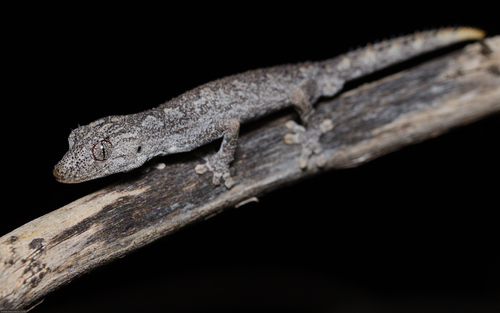
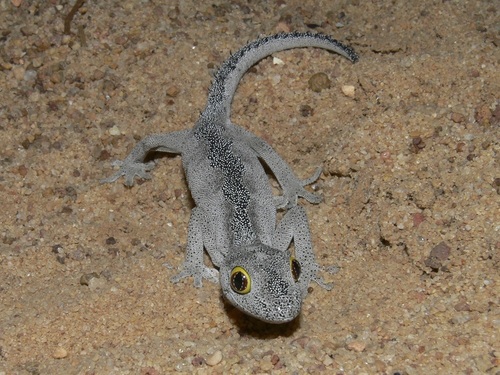
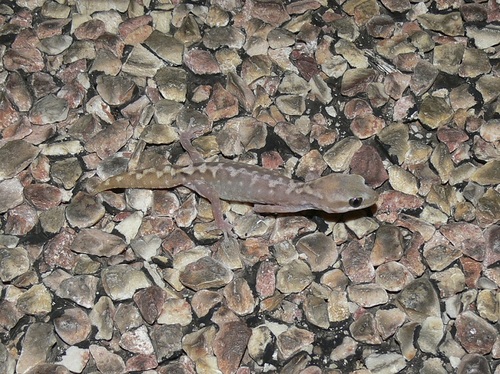
 Northern Spiny-tailed Gecko~40%≈
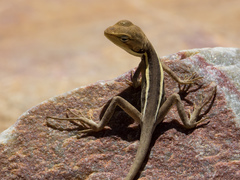 Long-nosed Water Dragon~40%≈
 Singing Honeyeater~30%-30%
 White-winged Fairywren~20%-20%



🏕️ Experience
Essentials
Entrance
Paid
Tourism
Low
Typical stay
2–3
daysTrails
Easy
World Heritage
No
Climate
Temp °C Rain mm
JanFebMarAprMayJunJulAugSepOctNovDec
0.0 Good
Wallace's Line Score
How good is this park for seeing wildlife? 🦜
Biodiversity
Very goodHow rich is the wildlife?
4.3
Species by taxon
🦅 Birds 274
🐒 Mammals 75
🦎 Reptiles 160
🐸 Amphibians 10
519 Total Species
828 Global average across 316 parks
22 Threatened 248 Endemic
🔭
Sighting
Very goodHow likely to see animals?
3.3
🎯
Top-12 Avg Probability
63% 📊
Coverage (150 species at ≥5% of 519 in the inventory)
29% 🔀
Taxon variety in top 12 (8 bird, 3 mammal, 1 reptile)
65% 🔭
Species per 10 outings (distinct species a visitor would meet over 10 outings — effort held equal across parks)
75 🌟
Iconic-group species (≥15%) (every species from the 19 iconic groups — monkeys, cats, toucans, macaws, sloths, crocodilians… — not just the 4 highlighted above)
14 ⭐
High-prob species (>40%)
18 🏕️
Experience
ExcellentHow easy and pleasant is the visit?
4.4
Climate Pleasant High
Entrance Paid Low
Tourism Medium Medium
Trails Easy High
World Heritage No —
What visitors say
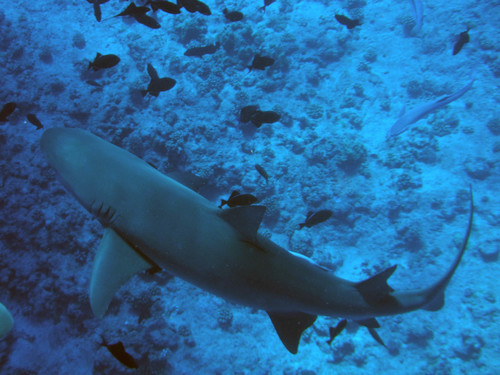
We snorkelled on our first day at Oyster Stacks and Turquoise Bay, and saw turtles, blue spotted rays and sharks, coral and fish, basking in beautifully warm water, 27 degrees warm!
When not in water, we saw a lot of other whales passing by, some of them really playful with fin slapping, tail slapping and breaching - an incredible view to see tons of whale flying through the air.
I see a black flanked wallaby sitting quietly in the rocky hills as we pass by.
We began with a drift snorkel, which revealed stunning fish and coral, and we were fortunate enough to spot a turtle nestled among the rocks.
Before you go
What animals can you see in Cape Range?
519 species
Cape Range has 519 recorded vertebrate species. The ones wildlife watchers report most often on a given day are Black-flanked Rock-wallaby (about 80%), Green Sea Turtle (about 70%), Silver Gull (about 70%), Black Flying-fox (about 70%) and Pacific Reef Heron (about 70%).
When is the best time to visit Cape Range for wildlife?
April–June and November
In those months the park's 12 most-seen species average about 70% on a given day, against about 50% in March and October. Those are among Cape Range's wettest months, with about 30 mm of rain a month against almost none in October.
Can you see a Black-flanked Rock-wallaby in Cape Range?
Yes
About 80% of wildlife watchers report a Black-flanked Rock-wallaby sighting in Cape Range on a given day, based on 269 verified sightings from GBIF citizen-science data from 2019 to 2026. The best time is April, June and August–September (about 90%).
Can you see a Green Sea Turtle in Cape Range?
Yes
About 70% of wildlife watchers report a Green Sea Turtle sighting in Cape Range on a given day, based on 110 verified sightings from GBIF citizen-science data from 2019 to 2026. The best time is January, March–April and June–July (about 80%).
Can you see a Humpback Whale in Cape Range?
Yes
About 30% of wildlife watchers report a Humpback Whale sighting in Cape Range on a given day, based on 23 verified sightings from GBIF citizen-science data from 2019 to 2026. The best time is July and September (about 50%).
Where in Cape Range is wildlife easiest to see?
Around Oyster Stacks
The richest sighting zone is around Oyster Stacks, followed by Yardie Creek and Mangrove Bay, ranked by how many of the park's headline animals visitors can expect to see in each. See the zones on the map.
Is Cape Range good for wildlife watching?
3.5 out of 5
On the Wallace's Line Score, Cape Range rates 3.5/5: 192nd of 316 parks worldwide and 15th in Oceania. 26 of its species are reported by about 40% or more of wildlife watchers on a given day.