





Completed

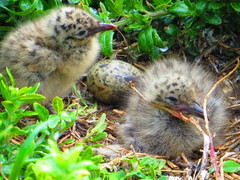


Silver Gull
Chroicocephalus novaehollandiae
Silhouette: Michael Scroggie · PhyloPic
- KingdomAnimalia (Animals)
- PhylumChordata (Chordates)
- ClassAves (Birds)
- OrderCharadriiformes (Shorebirds and Allies)
- FamilyLaridae (Gulls, Terns, and Skimmers)
- GenusChroicocephalus (Masked Gulls and allies)
- SpeciesChroicocephalus novaehollandiae (Silver Gull)
In 3 days >90%
219 Verified sightings at Cape Range From 2019 to 2026
8,787 In all 19 parks
November Best month
☀️ Diurnal When it's spotted
About the Silver Gull
The silver gull (Chroicocephalus novaehollandiae) is a gull in Oceania. It is the most common gull of Australia. It has been found throughout the continent, but particularly at or near coastal areas. It is smaller than the Pacific gull (Larus pacificus), which also lives in Australia.
The silver gull should not be confused with the herring gull, which is called "silver gull" in many other languages (scientific name Larus argentatus, German Silbermöwe, French Goéland argenté, Dutch zilvermeeuw), but is a much larger, robust gull with no overlap in range.
It has traditionally been placed in the genus Larus, as is the case with many gulls, but is now placed in the genus Chroicocephalus. Hartlaub's gull (C. hartlaubii) of South Africa was formerly sometimes considered to be subspecies of the silver gull.
There are three subspecies: The head, body, and tail of an adult silver gull are white, and the wings are... Wikipedia →
Recent sightings of Silver Gull in Cape Range
LIVEiNaturalistGlobal Distribution
Parks Where Found
| # | Park | Country | Daily sighting probability |
|---|---|---|---|
| 1 | Rottnest Island | 🇦🇺 Australia | |
| 2 | Rakiura National Park | 🇳🇿 New Zealand | |
| 3 | Ningaloo Marine Park | 🇦🇺 Australia | |
| 4 | Wilsons Promontory National Park | 🇦🇺 Australia | |
| 5 | Freycinet National Park | 🇦🇺 Australia | |
| 6 | Cape Range | 🇦🇺 Australia | |
| 7 | Maria Island National Park | 🇦🇺 Australia | |
| 8 | Abel Tasman National Park | 🇳🇿 New Zealand | |
| 9 | Noosa National Park | 🇦🇺 Australia | |
| 10 | Booderee National Park | 🇦🇺 Australia | |
| 11 | Flinders Chase | 🇦🇺 Australia | |
| 12 | Royal National Park | 🇦🇺 Australia | |
| 13 | Great Otway National Park | 🇦🇺 Australia | |
| 14 | Fiordland National Park | 🇳🇿 New Zealand | |
| 15 | Egmont National Park | 🇳🇿 New Zealand | |
| 16 | Kosciuszko National Park | 🇦🇺 Australia | |
| 17 | Grampians National Park | 🇦🇺 Australia | |
| 18 | Daintree National Park | 🇦🇺 Australia | |
| 19 | Hattah-Kulkyne National Park | 🇦🇺 Australia |
Zoos & Centres Where Found
| # | Zoo / Centre | Country | |
|---|---|---|---|
| 1 | Werribee Open Range Zoo | 🇦🇺 Australia | |
| 2 | Kansas City Zoo | 🇺🇸 United States | |
| 3 | Bird Paradise | 🇸🇬 Singapore | |
| 4 | Rainforest Wild Asia | 🇸🇬 Singapore | |
| 5 | Cairns Aquarium | 🇦🇺 Australia | |
| 6 | Sobela Ocean Aquarium | 🇺🇸 United States | |
| 7 | African Safari World | 🇦🇺 Australia |
Closest Relatives at Cape Range




Before you go
What are the chances of seeing a Silver Gull in Cape Range?
Very likely
About 70% of wildlife watchers report a Silver Gull sighting in Cape Range on a given day, based on 219 verified sightings from GBIF citizen-science data from 2019 to 2026. It is the most-seen of the 84 birds we can rate there. Over three days the chance rises to over 90%, if each day is a fresh chance.
When is the best time to see a Silver Gull in Cape Range?
November
In that month about 90% of wildlife watchers report a Silver Gull in Cape Range on a given day, against about 60% in January, May and July, the lowest months. That is one of Cape Range's driest months, with almost no rain against 55 mm in June. February has too few records to rate.
What time of day is best to see a Silver Gull?
Between 1 and 4 pm
Across all the parks we cover, that three-hour window holds the most Silver Gull sightings with a recorded time, and about 9 in 10 of them come between 6 am and 6 pm: it is a daytime animal.
Is Cape Range the best place to see a Silver Gull?
6th of 19
Of the 19 parks where we can rate Silver Gull sightings, Cape Range ranks 6th at about 70%. The best odds are in Rottnest Island (Australia, over 90%), Rakiura National Park (New Zealand, about 80%) and Ningaloo Marine Park (Australia, about 80%). All parks ranked.
Which relatives of the Silver Gull live in Cape Range?
Same family: Laridae
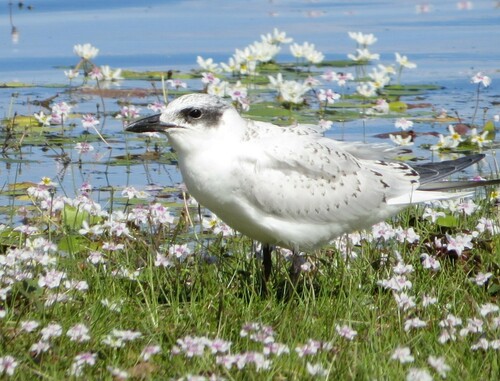
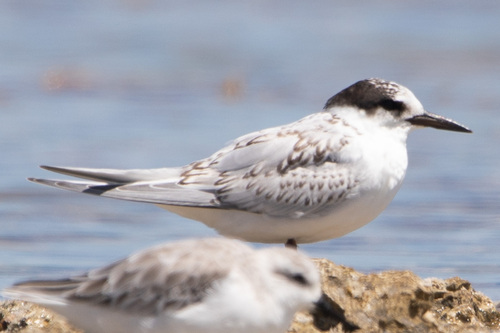
The closest relatives of the Silver Gull that you can see in Cape Range (family Laridae, Gulls, Terns, and Skimmers) are Crested Tern (about 40%), Caspian Tern (about 30%) and Lesser Crested Tern (about 20%), with each one's daily chance of a sighting.
Where does the Silver Gull sighting chance come from?
GBIF citizen-science records
It is estimated from how often the Silver Gull is recorded against all the birds logged in Cape Range (219 verified sightings from 2019 to 2026), calibrated against known sighting rates. Figures are rounded to the nearest 10% because citizen-science data supports honest approximations, not decimals, and months with records from fewer than five people show "—". How it works.
