Rottnest Island
🇦🇺 Australia
Oceania, Australia 398 spp. recorded
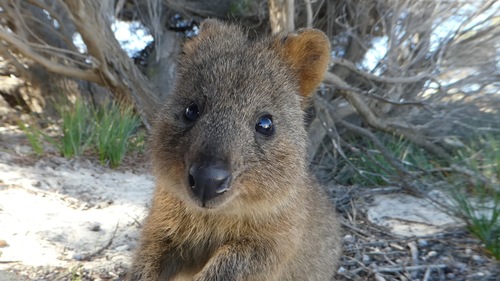
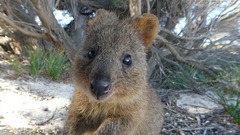
Rottnest Island is a protected coastal reserve sitting just off the coast of Western Australia, defined by low Mediterranean scrub, salt lakes, and sandy beaches. Visitors walk sandy tracks and limestone paths winding through dense coastal vegetation and open shrublands. The reserve is famous worldwide for the quokka, a small marsupial that emerges from the brush at dusk and grazes openly around the settlement areas.
-32.008° S 115.504° E
🦜 Nature

170 Species sighted
15,042 Verified sightings From 2019 to 2026
Jan Best month
⭐ Iconic Species




📊 Most Spotted




⭐ Iconic Species
📊 Most Spotted

⭐ Iconic Species
📊 Most Spotted


📊 Most Spotted




📊 Most Spotted
📊 Most Spotted

📊 Most Spotted
+ 313 more species with insufficient data
Recent sightings in Rottnest Island
LIVEiNaturalistSighting Calendar
How many species you'd see in a day
31Jan
28Feb
29Mar
25Apr
22May
24Jun
22Jul
26Aug
22Sep
28Oct
28Nov
31Dec
Sighting Zones
Warmer areas are where all species together are recorded most often.
-
Pink, Negri, Sinus & Vincent Lakes (Rottnest Island)
-
Thompson Bay Settlement (Rottnest Island)
Daily sight. prob.vs avg -
Parker Point (Rottnest Island)






🏕️ Experience
Essentials
Entrance
Paid
Tourism
High
Typical stay
1
dayTrails
Easy
World Heritage
No
Climate
Temp °C Rain mm
JanFebMarAprMayJunJulAugSepOctNovDec
0.0 Good
Wallace's Line Score
How good is this park for seeing wildlife? 🦜
Biodiversity
GoodHow rich is the wildlife?
3.1
Species by taxon
🦅 Birds 278
🐒 Mammals 64
🦎 Reptiles 39
🐸 Amphibians 4
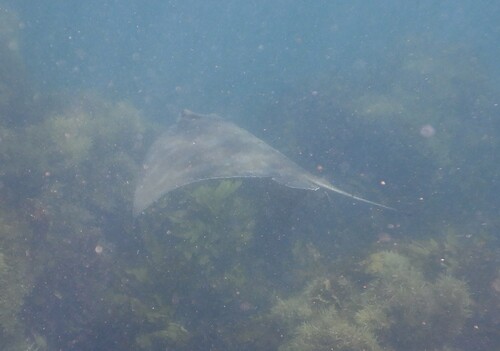
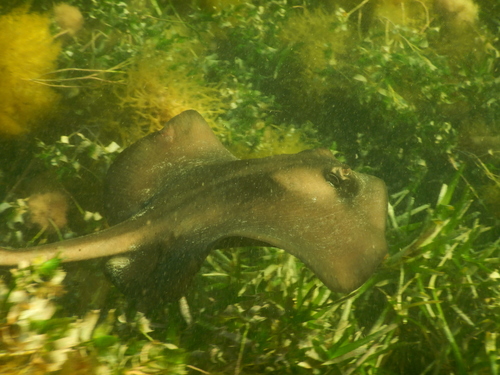
🦈 Sharks & Rays 13
398 Total Species
828 Global average across 316 parks
27 Threatened 105 Endemic
🔭
Sighting
Very goodHow likely to see animals?
3.5
🎯
Top-12 Avg Probability
84% 📊
Coverage (93 species at ≥5% of 398 in the inventory)
23% 🔀
Taxon variety in top 12 (10 bird, 1 reptile, 1 mammal)
39% 🔭
Species per 10 outings (distinct species a visitor would meet over 10 outings — effort held equal across parks)
57 🌟
Iconic-group species (≥15%) (every species from the 19 iconic groups — monkeys, cats, toucans, macaws, sloths, crocodilians… — not just the 4 highlighted above)
7 ⭐
High-prob species (>40%)
29 🏕️
Experience
Very goodHow easy and pleasant is the visit?
3.6
Climate Mixed Medium
Entrance Paid Low
Tourism High Low
Trails Easy High
World Heritage No —
What visitors say
Pape pun, Rottnest Island definitely the best place we visited throughout our Perth trip!
Let us explore the land of Quokkas to make every moment worth reminiscence: Since Rottnest Island is a small area, it is not tough to glide across the 23 bays and 60 beaches spread across the 25 km coastline.
We have cherry-picked a few of our favourite places to stay when you’re visiting Wadjemup / Rottnest Island in Western Australia.
Before you go
What animals can you see in Rottnest Island?
398 species
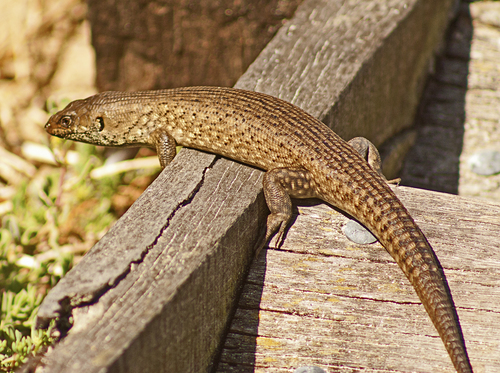
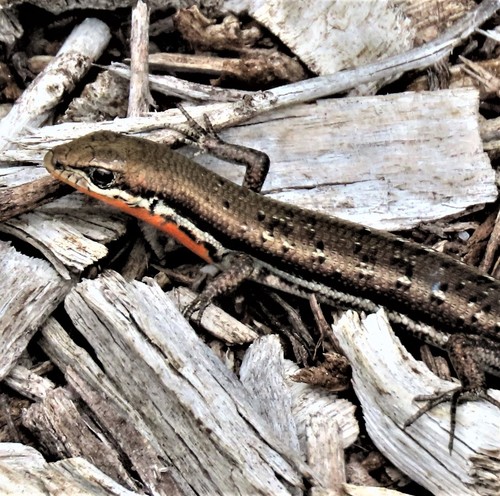
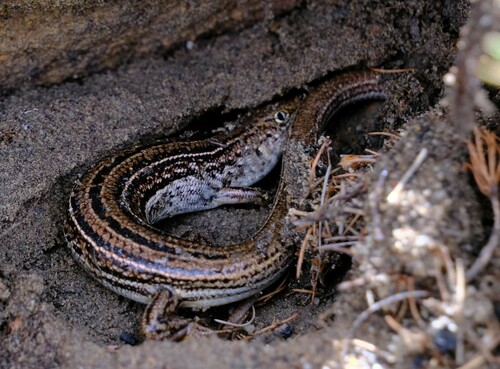
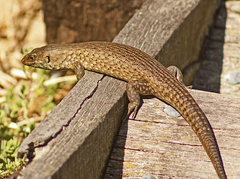
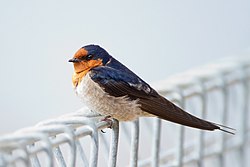
Rottnest Island has 398 recorded vertebrate species. The ones wildlife watchers report most often on a given day are Silver Gull (over 90%), Australian Shelduck (about 90%), Australian Raven (about 90%), Welcome Swallow (about 90%) and King's Skink (about 90%). Among mammals, the most-seen is Quokka (about 80%).
When is the best time to visit Rottnest Island for wildlife?
April and October–December
In those months the park's 12 most-seen species average about 90% on a given day, against about 80% in January–March and May–September. Those are among Rottnest Island's driest months, with about 20 mm of rain a month against 120 mm in June.
Can you see a Silver Gull in Rottnest Island?
Yes
Over 90% of wildlife watchers report a Silver Gull sighting in Rottnest Island on a given day, based on 807 verified sightings from GBIF citizen-science data from 2019 to 2026. The best time is January, March, May and August–October (over 90%).
Can you see a Quokka in Rottnest Island?
Yes
About 80% of wildlife watchers report a Quokka sighting in Rottnest Island on a given day, based on 1,093 verified sightings from GBIF citizen-science data from 2019 to 2026. The best time is February (about 90%).
Can you see an Australian Pelican in Rottnest Island?
Yes
About 40% of wildlife watchers report an Australian Pelican sighting in Rottnest Island on a given day, based on 223 verified sightings from GBIF citizen-science data from 2019 to 2026. The best time is May and December–February (about 50%).
Can you see a Red-necked Avocet in Rottnest Island?
Yes
About 60% of wildlife watchers report a Red-necked Avocet sighting in Rottnest Island on a given day, based on 298 verified sightings from GBIF citizen-science data from 2019 to 2026. The best time is January–February and November (about 70%).
Where in Rottnest Island is wildlife easiest to see?
Around Pink, Negri, Sinus & Vincent Lakes (Rottnest Island)
The richest sighting zone is around Pink, Negri, Sinus & Vincent Lakes (Rottnest Island), followed by Thompson Bay Settlement (Rottnest Island) and Parker Point (Rottnest Island), ranked by how many of the park's headline animals visitors can expect to see in each. See the zones on the map.
Is Rottnest Island good for wildlife watching?
3.5 out of 5
On the Wallace's Line Score, Rottnest Island rates 3.5/5: 202nd of 316 parks worldwide and 17th in Oceania. 33 of its species are reported by about 40% or more of wildlife watchers on a given day.