Pied Paddy Skimmer

Pied Paddy Skimmer

Neurothemis tullia

Daily sighting probability ~20% · Possible
at Cat Tien National Park

In 3 days ~50% in a week ~80%

16 Verified sightings at Cat Tien National Park From 2019 to 2026
123 In all 8 parks
May Best month
☀️ Diurnal When it's spotted

About the Pied Paddy Skimmer

Neurothemis tullia, the pied paddy skimmer, is a species of dragonfly found in south and south-east Asia. It appears in Bangladesh, China, Hong Kong, India, Malaysia (Peninsular Malaysia), Myanmar, Nepal, Sri Lanka, Taiwan, Thailand, Cambodia and Viet Nam.

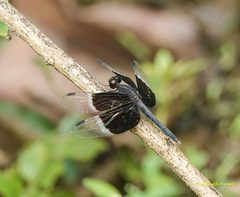
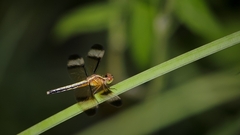
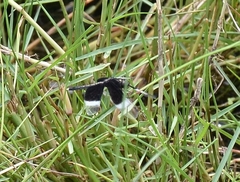
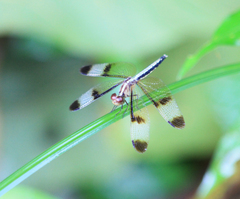
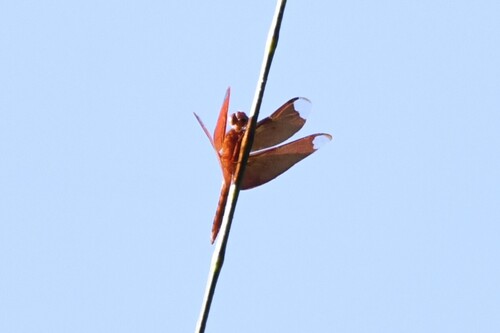
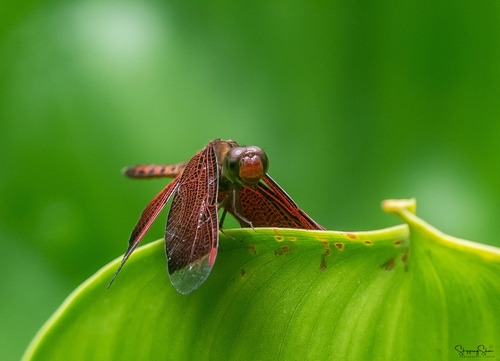
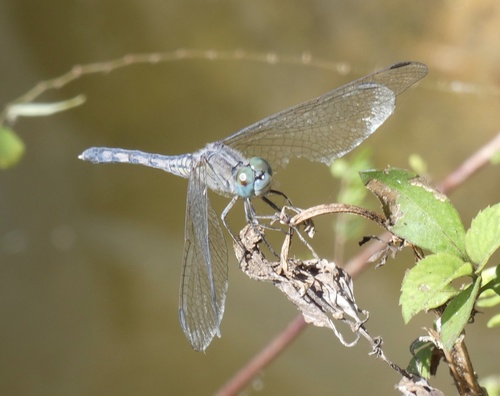
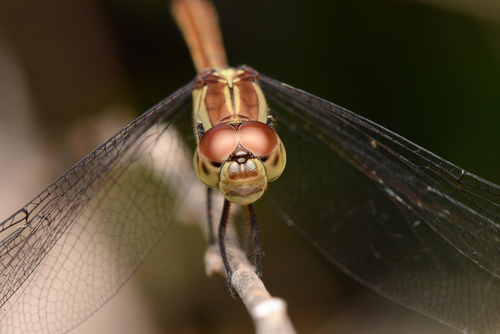
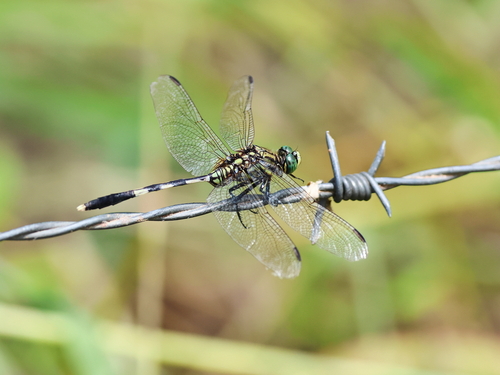
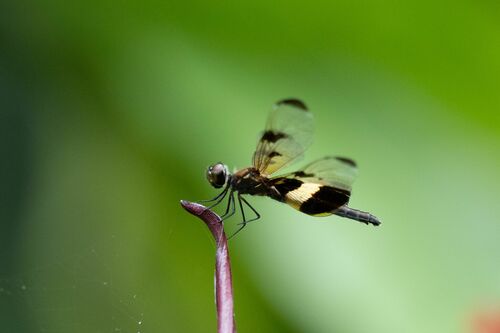
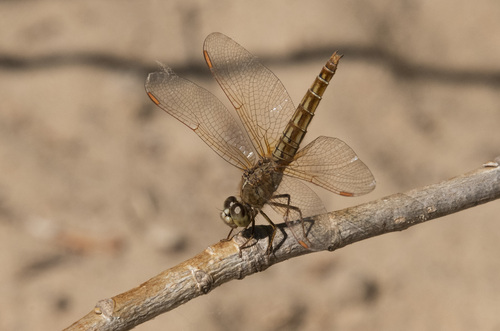
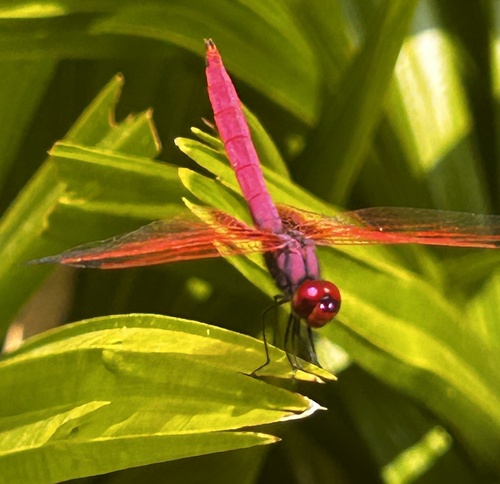
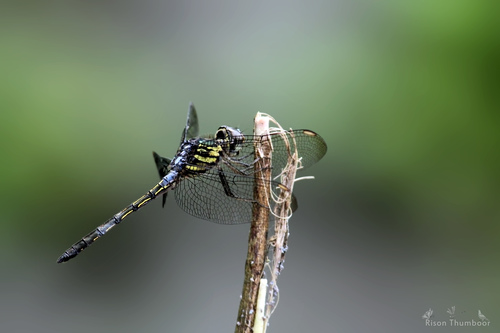
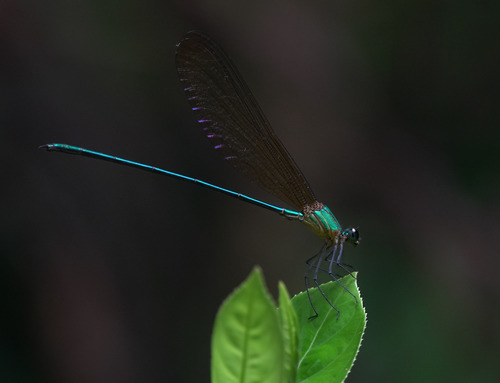
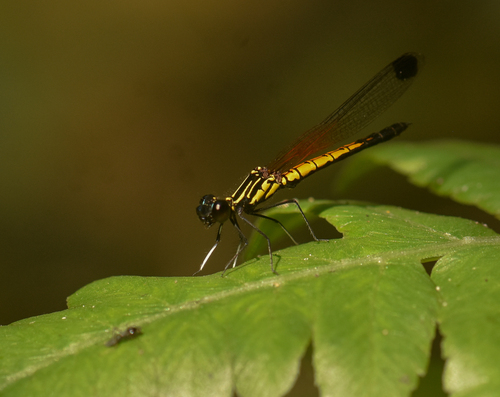
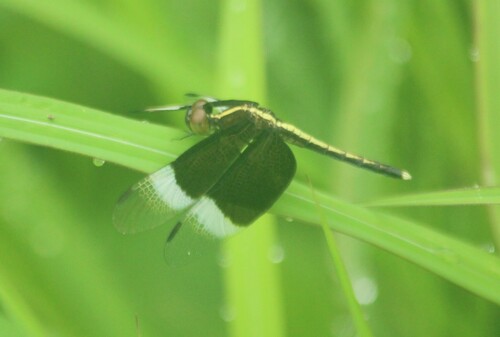
It is a black dragonfly with a pale yellow mid-dorsal carina of thorax. Wings are hyaline for apical half and opaque steely blue-black for basal half which is bordered by a milky white patch towards the tip. Females differ remarkably from the males both in body-colouring and markings and in marking of the wings. Its body is greenish yellow with a bright yellow mid-dorsal carina of thorax. Base of wings are amber yellow followed by a blackish brown patch. Apices of all wings are broadly opaque blackish brown and the remaining halves are pale yellow.

It breeds in marshes, well vegetated ponds, lakes and rice fields. It perches very close to ground and its flight is very weak. List of odonates of Sri Lanka List of odonates of India List of odonata of Kerala Pied Parasol (Neurothemis tullia tullia) – Kalahe, Galle, Sri Lanka

Md Rawi, Che Salmah (1996) Some... Wikipedia →
Global Distribution

Parks Where Found

# Park Country Daily sighting probability
1 Sundarbans National Park 🇮🇳 India
~40%
2 Sinharaja Forest Reserve 🇱🇰 Sri Lanka
~40%
3 Minneriya National Park 🇱🇰 Sri Lanka
~30%
4 Wilpattu National Park 🇱🇰 Sri Lanka
~30%
5 Periyar National Park 🇮🇳 India
~20%
6 Cat Tien National Park 🇻🇳 Vietnam
~20%
7 Chitwan National Park 🇳🇵 Nepal
~20%
8 Khao Yai National Park 🇹🇭 Thailand
~10%

Cities Where Found

# City Country Daily sighting probability
1 Colachel 🇮🇳 India
~50%
2 Dhaka 🇧🇩 Bangladesh
~40%
3 Thrissur 🇮🇳 India
~40%
4 Kozhikode 🇮🇳 India
~40%
5 Colombo [Sri Jayawardenepura Kotte] 🇱🇰 Sri Lanka
~40%
6 Kochi 🇮🇳 India
~40%
7 Kolkata 🇮🇳 India
~30%
8 Thiruvananthapuram 🇮🇳 India
~30%
9 Ponnani 🇮🇳 India
~30%
10 Kollam 🇮🇳 India
~30%

Before you go

What are the chances of seeing a Pied Paddy Skimmer in Cat Tien National Park?

Possible

About 20% of wildlife watchers report a Pied Paddy Skimmer sighting in Cat Tien National Park on a given day, based on 16 verified sightings from GBIF citizen-science data from 2019 to 2026. It is the 46th most-seen of the 125 insects we can rate there. Over three days the chance rises to about 50%, and over a week to about 80%, if each day is a fresh chance.

When is the best time to see a Pied Paddy Skimmer in Cat Tien National Park?

May and December–February

In those months about 30% of wildlife watchers report a Pied Paddy Skimmer in Cat Tien National Park on a given day, against under 5% in July to November, the lowest months. Those are among Cat Tien National Park's driest months, with about 85 mm of rain a month against 490 mm in July.

What time of day is best to see a Pied Paddy Skimmer?

Between 10 am and 1 pm

Across all the parks we cover, that three-hour window holds the most Pied Paddy Skimmer sightings with a recorded time, and about 8 in 10 of them come between 6 am and 6 pm: it is a daytime animal.

Which relatives of the Pied Paddy Skimmer live in Cat Tien National Park?

Same genus: Neurothemis

The closest relatives of the Pied Paddy Skimmer that you can see in Cat Tien National Park (genus Neurothemis, Grasshawks) are Russet Percher (about 40%) and Common Parasol (about 20%), with each one's daily chance of a sighting.

Where does the Pied Paddy Skimmer sighting chance come from?

GBIF citizen-science records

It is estimated from how often the Pied Paddy Skimmer is recorded against all the insects logged in Cat Tien National Park (16 verified sightings from 2019 to 2026), calibrated against known sighting rates. Figures are rounded to the nearest 10% because citizen-science data supports honest approximations, not decimals, and months with records from fewer than five people show "—". How it works.

← Back to Cat Tien National Park