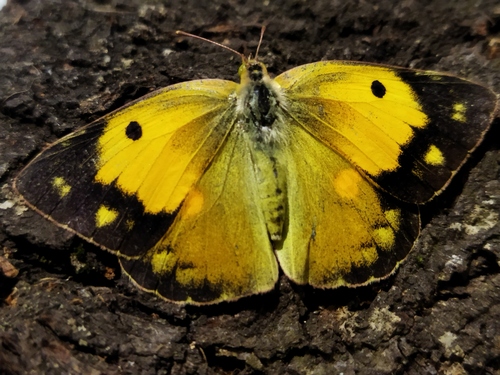
Pine Processionary-Moth

Pine Processionary-Moth

Thaumetopoea pityocampa

Daily sighting probability ~30% · Possible
at Athens

In 3 days ~70% in a week ~90%

122 Verified sightings at Athens
405 In all 8 parks From 2019 to 2026
February Best month
☀️ Diurnal When it's spotted

About the Pine Processionary-Moth

The pine processionary (Thaumetopoea pityocampa) is a moth of the subfamily Thaumetopoeinae in the family Notodontidae, known for the irritating hairs of its caterpillars, their processions, and the economic damage they cause in coniferous forests. The species was first described scientifically by Michael Denis and Ignaz Schiffermüller in 1775, though it was known to the ancients, with remedies described by Theophrastus, Dioscorides and Pliny the Elder. Its processionary behaviour was described in 1916 by the French entomologist Jean-Henri Fabre. It is one of the most destructive species to pines and cedars in Central Asia, North Africa and southern Europe.

The species is notable for the behaviour of its caterpillars, which overwinter in tent-like nests high in pine trees, and which proceed through the woods in nose-to-tail columns, protected from predators by their severely irritating hairs.

The species is one of the few insects where the larva develops in winter in temperate zones. Global warming is causing the species to affect forests progressively further north. The urticating hairs of the caterpillar larvae cause harmful (and in some cases allergic) reactions, in humans and other mammals. Wikipedia →

Global Distribution

Parks Where Found

# Park Country Daily sighting probability
1 Sierra Nevada National Park 🇪🇸 Spain
~30%
2 Aigüestortes National Park 🇪🇸 Spain
~20%
3 Doñana National Park 🇪🇸 Spain
~20%
4 Cévennes National Park 🇫🇷 France
~20%
5 Ordesa y Monte Perdido National Park 🇪🇸 Spain
~20%
6 Sierra de Guadarrama National Park 🇪🇸 Spain
~20%
7 Pyrénées National Park 🇫🇷 France
~10%
8 Mercantour National Park 🇫🇷 France
~10%

Cities Where Found

# City Country Daily sighting probability
1 Athens 🇬🇷 Greece
~30%
2 Barcelona 🇪🇸 Spain
~20%
3 Madrid 🇪🇸 Spain
~10%
4 Paris 🇫🇷 France
~10%
5 Lyon 🇫🇷 France
~10%
6 Istanbul 🇹🇷 Turkey
~10%
7 Valencia 🇪🇸 Spain
~10%
8 Lisbon 🇵🇹 Portugal
~10%
9 Porto 🇵🇹 Portugal
<5%

Before you go

What are the chances of seeing a Pine Processionary-Moth in Athens?

Possible

About 30% of wildlife watchers report a Pine Processionary-Moth sighting in Athens on a given day, based on 122 verified sightings from GBIF citizen-science data. It is the 6th most-seen of the 242 insects we can rate there. Over three days the chance rises to about 70%, and over a week to about 90%, if each day is a fresh chance.

When is the best time to see a Pine Processionary-Moth in Athens?

February

In that month about 80% of wildlife watchers report a Pine Processionary-Moth in Athens on a given day, against under 5% in May–June, August and November, the lowest months.

What time of day is best to see a Pine Processionary-Moth?

Between 11 am and 2 pm

Across all the parks we cover, that three-hour window holds the most Pine Processionary-Moth sightings with a recorded time, and about 7 in 10 of them come between 6 am and 6 pm: it is a daytime animal.

Is Athens the best place to see a Pine Processionary-Moth?

Yes

Of the 9 cities where we can rate Pine Processionary-Moth sightings, Athens has the highest daily chance: about 30%. Next come Barcelona (Spain, about 20%) and Madrid (Spain, about 10%).

Which relatives of the Pine Processionary-Moth live in Athens?

Same order: Lepidoptera

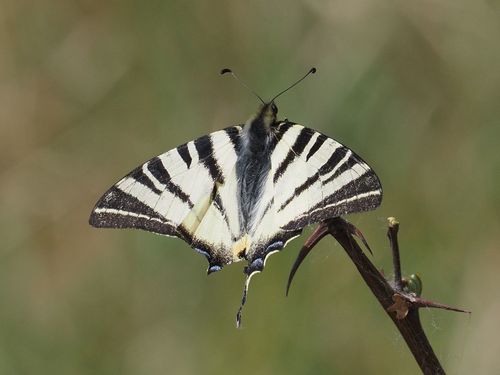
The closest relatives of the Pine Processionary-Moth that you can see in Athens (order Lepidoptera, Butterflies and Moths) are Red Admiral (about 40%), Scarce Swallowtail (about 30%) and Painted Lady (about 30%), with each one's daily chance of a sighting.

Where does the Pine Processionary-Moth sighting chance come from?

GBIF citizen-science records

It is estimated from how often the Pine Processionary-Moth is recorded against all the insects logged in Athens (122 verified sightings), calibrated against known sighting rates. Figures are rounded to the nearest 10% because citizen-science data supports honest approximations, not decimals, and months with records from fewer than five people show "—". How it works.

← Back to Athens