
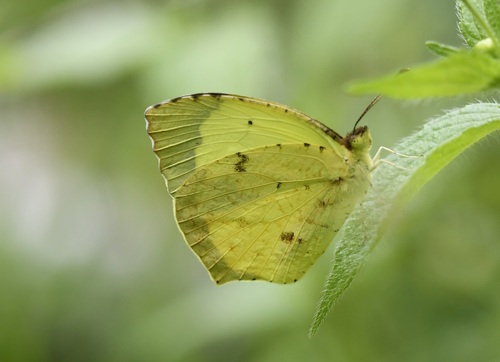
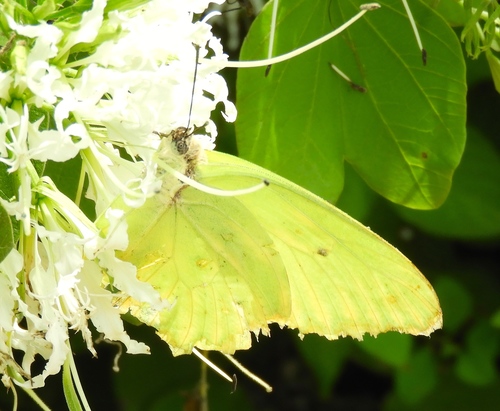
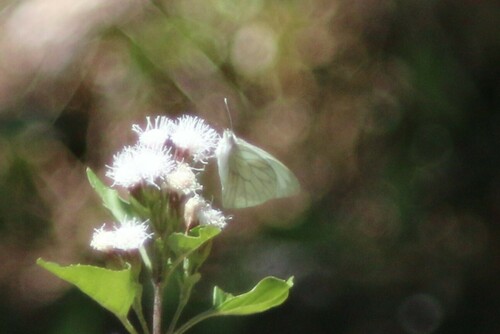
Statira Sulphur

Statira Sulphur

Aphrissa statira

Daily sighting probability <5% · Rare
at Mexico City

In 3 days ~10% in a week ~20%

8 Verified sightings at Mexico City
83 In all 6 parks From 2019 to 2026
August Best month
☀️ Diurnal When it's spotted

About the Statira Sulphur

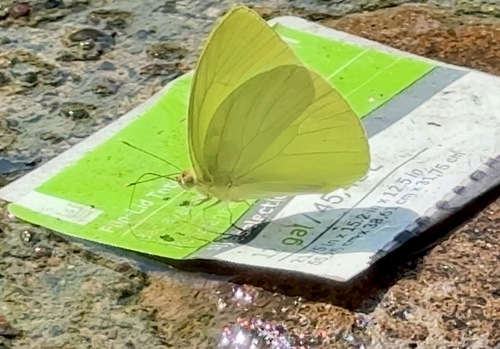
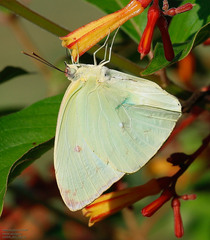
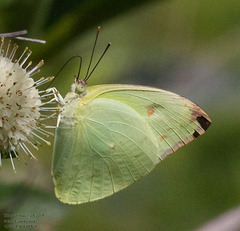
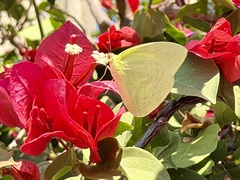
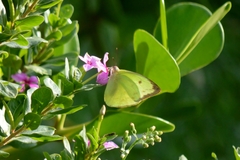
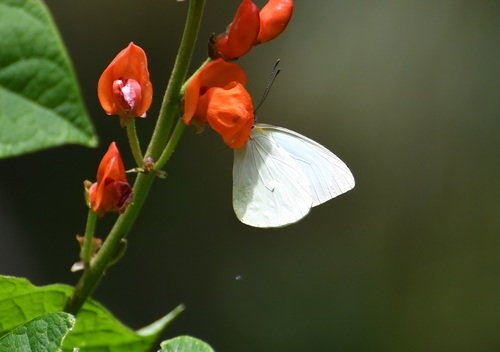
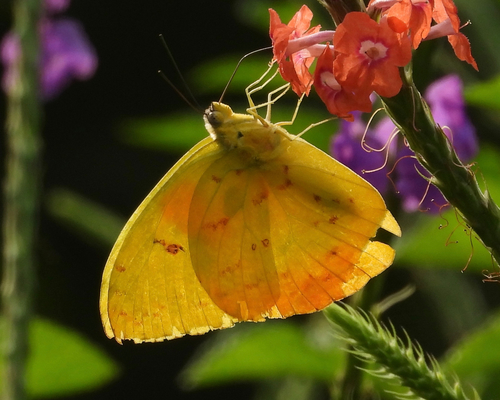
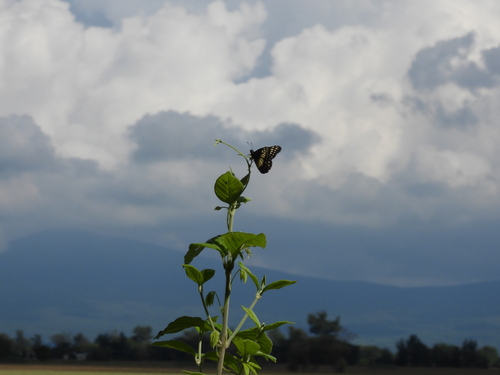
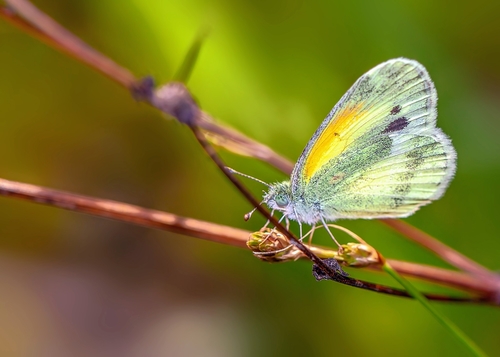
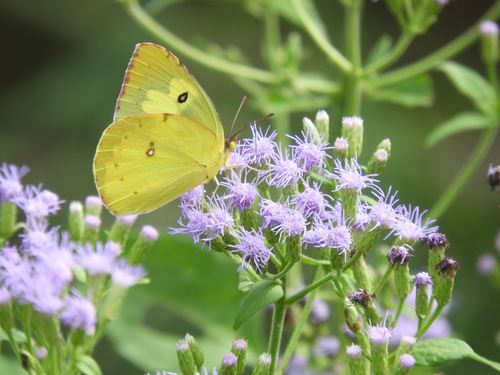
Aphrissa statira, the statira sulphur, is a species of Lepidoptera in the family Pieridae. The species is a medium-sized yellow butterfly, with females more pale than males. They are found from southern regions of Florida and Texas through southern Brazil and northern Argentina. The caterpillars feed on the leaves of several local host plants, while adults prefer to feed on the nectar of red or orange colored flowers. The species is most noted for their dramatic migrations in the tropical areas of the Americas. They have been the subject of many studies about how butterflies navigate and orient during migration.

Aphrissa statira has a wingspan of about 2.37 inches (6.0 cm) to 3.12 inches (7.9 cm). Because of their yellow color, they can be difficult to differentiate from cloudless sulphur butterflies when flying. In general, the color of their wings vary between individual butterflies, with the most variation in color seen in Colombia, Central America, and Mexico. The subspecies A. statira cubana has also been characterized in Cuba, Jamaica, and the Cayman Islands. The lustrous underside of the wings of both sexes is pale green or white with more yellow on the edge... Wikipedia →

Global Distribution

Parks Where Found

# Park Country Daily sighting probability
1 Iguazú National Park 🇦🇷 Argentina
~20%
2 Iguaçu National Park 🇧🇷 Brazil
~10%
3 Lago de Yojoa 🇭🇳 Honduras
~10%
4 Yasuní National Park 🇪🇨 Ecuador
~10%
5 Calakmul Biosphere Reserve 🇲🇽 Mexico
~10%
6 Soberanía National Park 🇵🇦 Panama
~10%

Cities Where Found

# City Country Daily sighting probability
1 San Antonio 🇺🇸 United States
<5%
2 Mexico City 🇲🇽 México
<5%

Before you go

What are the chances of seeing a Statira Sulphur in Mexico City?

Rare

Under 5% of wildlife watchers report a Statira Sulphur sighting in Mexico City on a given day, based on 8 verified sightings from GBIF citizen-science data. It is the 413th most-seen of the 557 insects we can rate there. Over three days the chance rises to about 10%, and over a week to about 20%, if each day is a fresh chance.

When is the best time to see a Statira Sulphur in Mexico City?

Any time of year

In every month with enough records, under 5% of wildlife watchers report a Statira Sulphur in Mexico City on a given day, so our monthly data shows no clear season.

What time of day is best to see a Statira Sulphur?

Between noon and 3 pm

Across all the parks we cover, that three-hour window holds the most Statira Sulphur sightings with a recorded time, and about 9 in 10 of them come between 6 am and 6 pm: it is a daytime animal.

Is Mexico City the best place to see a Statira Sulphur?

Among the best

Of the 2 cities where we can rate Statira Sulphur sightings, Mexico City ranks 2nd at under 5%, level with the leaders once rounded. The best odds are in San Antonio (United States, under 5%).

Which relatives of the Statira Sulphur live in Mexico City?

Same family: Pieridae

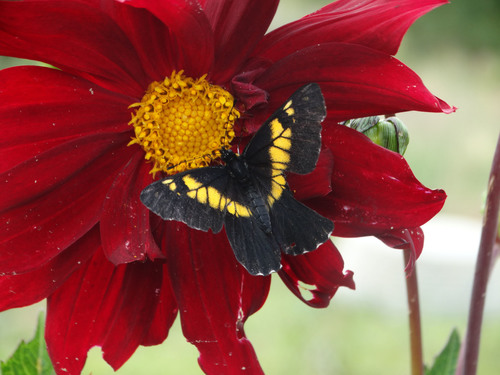
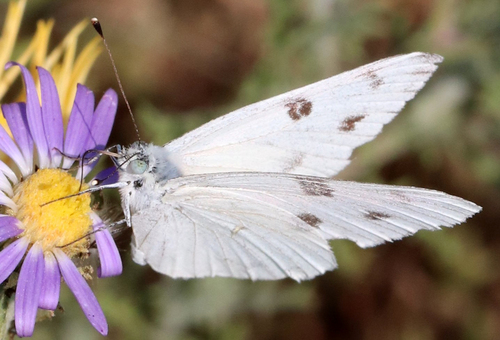
The closest relatives of the Statira Sulphur that you can see in Mexico City (family Pieridae, Whites, Yellows, and Sulphurs) are Green-Eyed White (about 30%), Orange-Barred Sulphur (about 20%) and Mexican Dartwhite (about 10%), with each one's daily chance of a sighting.

Where does the Statira Sulphur sighting chance come from?

GBIF citizen-science records

It is estimated from how often the Statira Sulphur is recorded against all the insects logged in Mexico City (8 verified sightings), calibrated against known sighting rates. Figures are rounded to the nearest 10% because citizen-science data supports honest approximations, not decimals, and months with records from fewer than five people show "—". How it works.

← Back to Mexico City