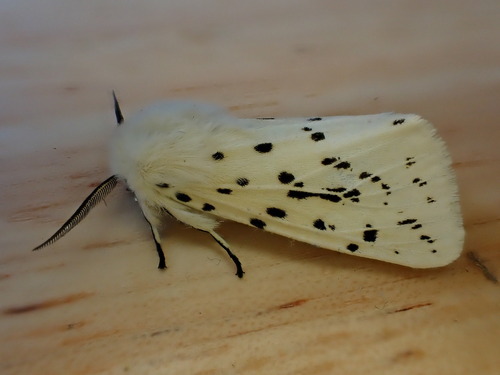
Pale Tussock Moth

Pale Tussock Moth

Calliteara pudibunda

Daily sighting probability <5% · Rare
at Milan

In 3 days ~10% in a week ~30%

7 Verified sightings at Milan
317 In all 8 parks From 2019 to 2026
April Best month
☀️ Diurnal When it's spotted

About the Pale Tussock Moth

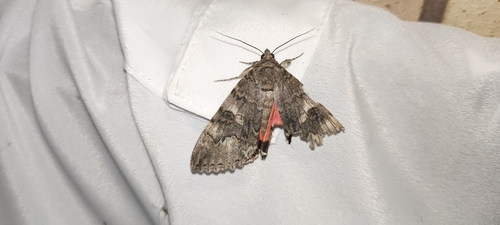
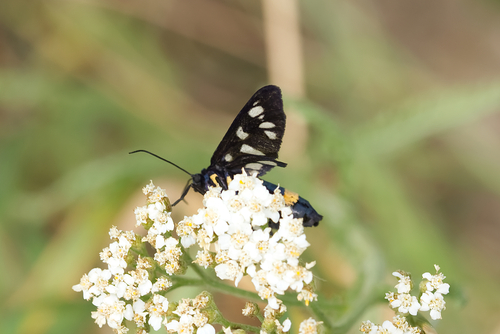
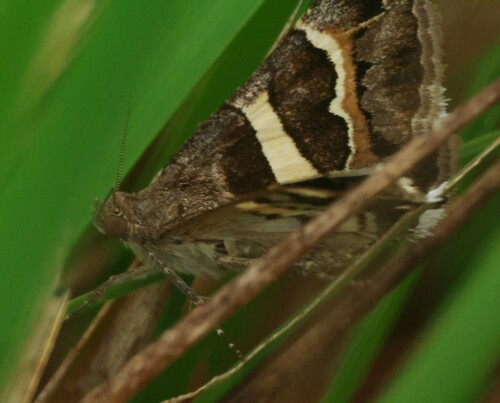
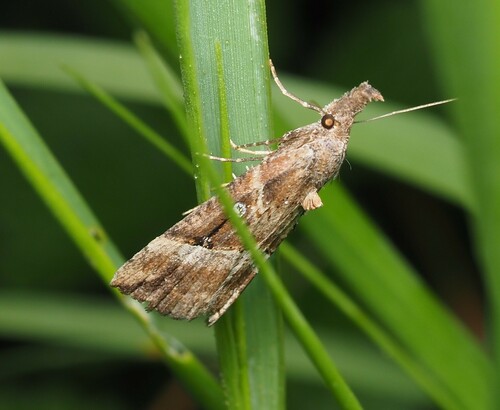
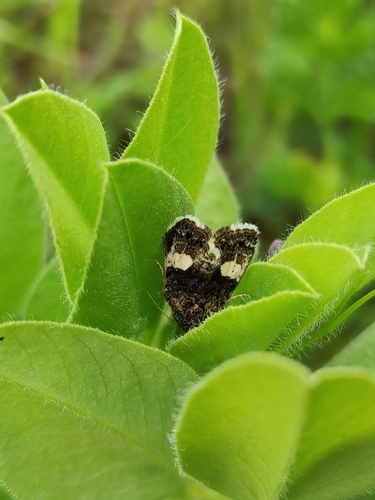
Calliteara pudibunda, the pale tussock, is a moth of the family Erebidae. The Dutch common name for the moth (Meriansborstel) comes from the butterfly and insect painter Maria Sibylla Merian. The species was first described by Carl Linnaeus in his 1758 10th edition of Systema Naturae. It is found in Asia and Europe.

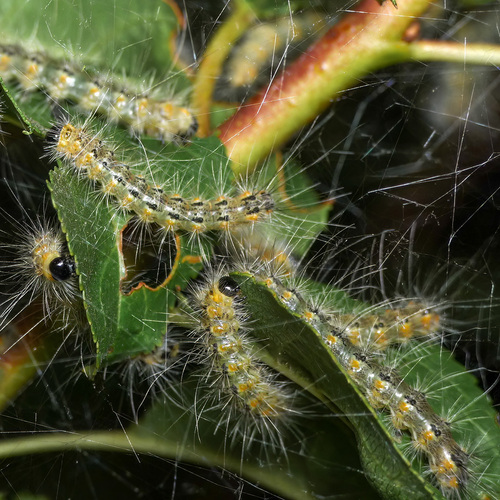
Calliteara pudibunda is a pest of European beech forests (Fagus sylvatica). The mix of tree species impacts the moths; they react very sensitively to the occurrence of a small portion of spruce trees within beech stands.

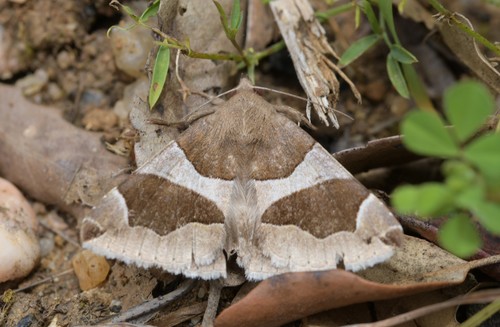
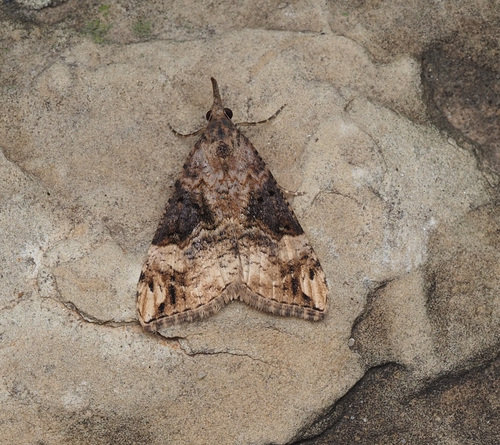
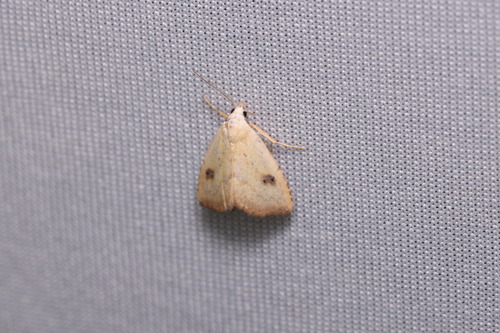
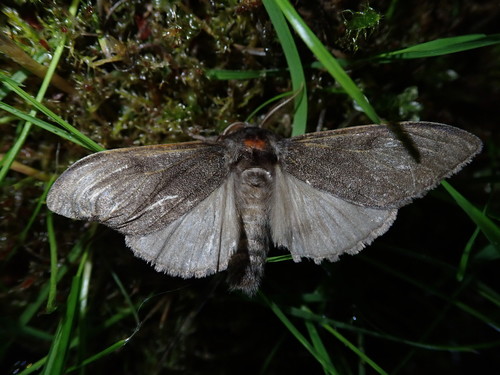
The wingspan is 40–60 mm. Female: Forewing greyish white dusted with dark, and bearing dark wavy transverse lines edged with pure white on the inner side. Hindwing white with indication of a dark submarginal band. Male: Forewing olive grey with black median area and darker indistinct slightly wavy transverse lines in the marginal and basal areas. Hindwing greyish yellow, with a transverse band which is slightly more distinct than in the female, and sometimes forms an elbowed anal. Form juglandis Hübner is divergent in the male, being distinguished by a greyish-white head and thorax (in typical specimens this is... Wikipedia →

Global Distribution

Parks Where Found

# Park Country Daily sighting probability
1 Snowdonia National Park 🇬🇧 United Kingdom
~30%
2 Biebrza National Park 🇵🇱 Poland
~20%
3 Triglav National Park 🇸🇮 Slovenia
~20%
4 Bavarian Forest National Park 🇩🇪 Germany
~10%
5 Cévennes National Park 🇫🇷 France
~10%
6 Białowieża National Park 🇵🇱 Poland
~10%
7 Pyrénées National Park 🇫🇷 France
~10%
8 Wadden Sea National Park 🇩🇪 Germany
<5%

Cities Where Found

# City Country Daily sighting probability
1 Kharkiv 🇺🇦 Ukraine
~20%
2 Manchester 🇬🇧 United Kingdom
~10%
3 Liverpool 🇬🇧 United Kingdom
~10%
4 Berlin 🇩🇪 Germany
~10%
5 London 🇬🇧 United Kingdom
~10%
6 Birmingham 🇬🇧 United Kingdom
~10%
7 Cologne 🇩🇪 Germany
~10%
8 Stockholm 🇸🇪 Sweden
~10%
9 Hamburg 🇩🇪 Germany
~10%
10 Essen 🇩🇪 Germany
~10%

Before you go

What are the chances of seeing a Pale Tussock Moth in Milan?

Rare

Under 5% of wildlife watchers report a Pale Tussock Moth sighting in Milan on a given day, based on 7 verified sightings from GBIF citizen-science data. It is the 267th most-seen of the 351 insects we can rate there. Over three days the chance rises to about 10%, and over a week to about 30%, if each day is a fresh chance.

When is the best time to see a Pale Tussock Moth in Milan?

April–May and October

In those months about 10% of wildlife watchers report a Pale Tussock Moth in Milan on a given day, against under 5% in June–September and November–March, the lowest months.

What time of day is best to see a Pale Tussock Moth?

Between 9 am and noon

Across all the parks we cover, that three-hour window holds the most Pale Tussock Moth sightings with a recorded time, and about 7 in 10 of them come between 6 am and 6 pm: it is a daytime animal.

Is Milan the best place to see a Pale Tussock Moth?

22nd of 26

Of the 26 cities where we can rate Pale Tussock Moth sightings, Milan ranks 22nd at under 5%. The best odds are in Kharkiv (Ukraine, about 20%), Manchester (United Kingdom, about 10%) and Liverpool (United Kingdom, about 10%).

Which relatives of the Pale Tussock Moth live in Milan?

Same family: Erebidae

The closest relatives of the Pale Tussock Moth that you can see in Milan (family Erebidae, Underwing, Tiger, Tussock, and Allied Moths) are Fall Webworm Moth (about 20%), Spongy Moth (about 10%) and Red Underwing (about 10%), with each one's daily chance of a sighting.

Where does the Pale Tussock Moth sighting chance come from?

GBIF citizen-science records

It is estimated from how often the Pale Tussock Moth is recorded against all the insects logged in Milan (7 verified sightings), calibrated against known sighting rates. Figures are rounded to the nearest 10% because citizen-science data supports honest approximations, not decimals, and months with records from fewer than five people show "—". How it works.
← Back to Milan