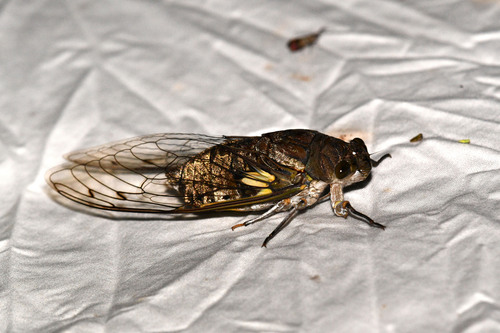
Giant Cicada
Daily sighting probability ~10% · With luck
at Rosario

In 3 days ~30% in a week ~60%

6 Verified sightings at Rosario
101 In all 5 parks From 2019 to 2026
January Best month
☀️🌙 Day & Night When it's spotted

About the Giant Cicada

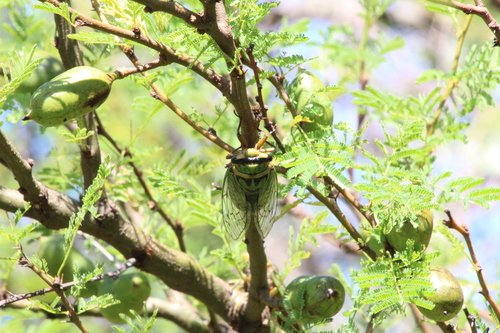
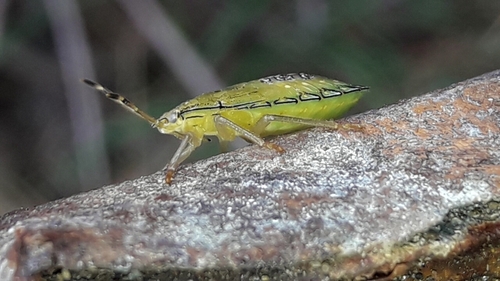
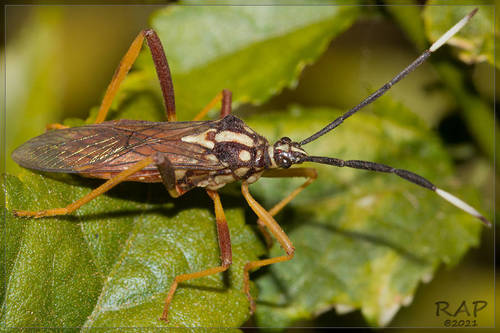
The giant cicada (Quesada gigas), also known as the chichara grande, coyoyo, or coyuyo, is a species of large cicada native to North, Central, and South America. One of two species in the genus Quesada, it is the widest ranging cicada in the Western Hemisphere.

The giant cicada was discovered by Guillaume-Antoine Olivier in 1790. British naturalist Henry Walter Bates described the shrill songs of the cicadas during his exploration in the Amazon in the late 1840s. There are historical records of the cicada in Bexar County, Texas starting in 1934, but this population died out - possibly due to the extended drought of the 1950s. Since 2005, the cicada population has grown and become widespread in central Texas. It currently ranges from central Texas to as far south as Mina Clavero, Argentina.

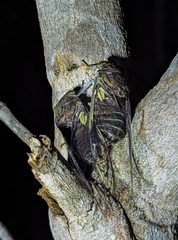
The giant cicada is one of the largest cicada species in North America. Like other Texan species, the giant cicada has an appearance that helps it camouflage into the environment. These true bugs are usually a combination of black, green and brown patterns, with brown to olive eyes and a brownish-green pronotal collar color. Texan cicadas distinguish themselves by sound... Wikipedia →
Global Distribution

Parks Where Found

# Park Country Daily sighting probability
1 Serra da Canastra National Park 🇧🇷 Brazil
~30%
2 Iguaçu National Park 🇧🇷 Brazil
~10%
3 Iguazú National Park 🇦🇷 Argentina
~10%
4 Cumbres de Monterrey National Park 🇲🇽 Mexico
~10%
5 Corcovado National Park 🇨🇷 Costa Rica
~10%

Cities Where Found

# City Country Daily sighting probability
1 Tegucigalpa 🇭🇳 Honduras
~20%
2 Asuncion 🇵🇾 Paraguay
~20%
3 Campinas 🇧🇷 Brazil
~10%
4 Porto Alegre 🇧🇷 Brazil
~10%
5 Rosario 🇦🇷 Argentina
~10%
6 Vitória 🇧🇷 Brazil
~10%
7 Brasilia 🇧🇷 Brazil
~10%
8 San José 🇨🇷 Costa Rica
~10%
9 Curitiba 🇧🇷 Brazil
~10%
10 Belo Horizonte 🇧🇷 Brazil
~10%

Before you go

What are the chances of seeing a Giant Cicada in Rosario?

With luck

About 10% of wildlife watchers report a Giant Cicada sighting in Rosario on a given day, based on 6 verified sightings from GBIF citizen-science data. It is the 56th most-seen of the 82 insects we can rate there. Over three days the chance rises to about 30%, and over a week to about 60%, if each day is a fresh chance.

When is the best time to see a Giant Cicada in Rosario?

January

In that month about 40% of wildlife watchers report a Giant Cicada in Rosario on a given day, against under 5% in February to November, the lowest months.

What time of day is best to see a Giant Cicada?

Between 9 am and noon

Across all the parks we cover, that three-hour window holds the most Giant Cicada sightings with a recorded time, and about 6 in 10 of them come between 6 am and 6 pm: it is seen both by day and at night.

Is Rosario the best place to see a Giant Cicada?

5th of 16

Of the 16 cities where we can rate Giant Cicada sightings, Rosario ranks 5th at about 10%. The best odds are in Tegucigalpa (Honduras, about 20%), Asuncion (Paraguay, about 20%) and Campinas (Brazil, about 10%).

Where does the Giant Cicada sighting chance come from?

GBIF citizen-science records

It is estimated from how often the Giant Cicada is recorded against all the insects logged in Rosario (6 verified sightings), calibrated against known sighting rates. Figures are rounded to the nearest 10% because citizen-science data supports honest approximations, not decimals, and months with records from fewer than five people show "—". How it works.

← Back to Rosario