Common Heath

Common Heath

Ematurga atomaria

Daily sighting probability <5% · Rare
at Saint Petersburg

In 3 days ~10% in a week ~20%

7 Verified sightings at Saint Petersburg
517 In all 17 parks From 2019 to 2026
May Best month
☀️ Diurnal When it's spotted

About the Common Heath

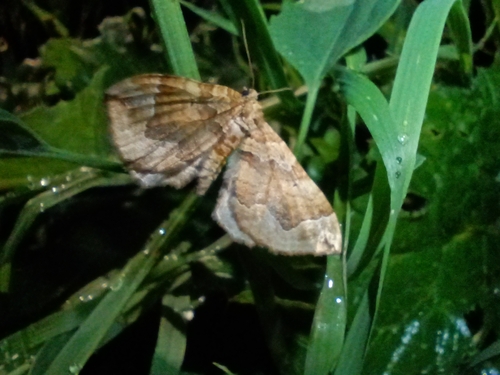
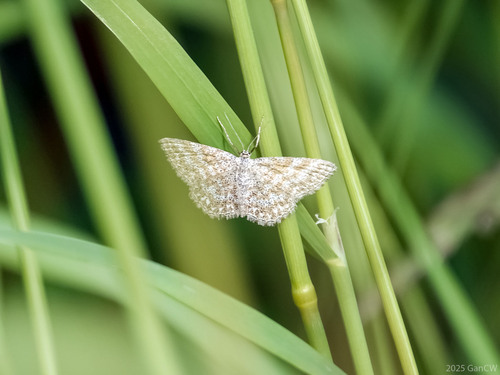
Ematurga atomaria, the common heath, is a moth of the family Geometridae. The species can be found in the Palearctic realm from the Iberian Peninsula in the west, central and eastern Europe and east to Siberia and Sakhalin. In the south, its range includes the northern Mediterranean and the Turkish part of the Black Sea region.

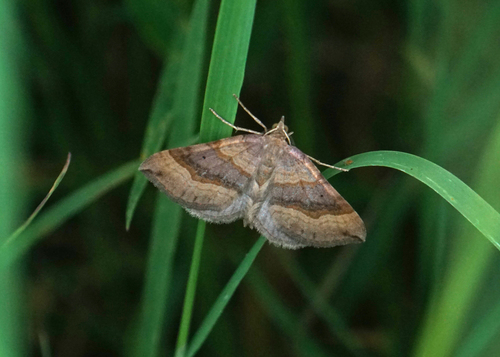
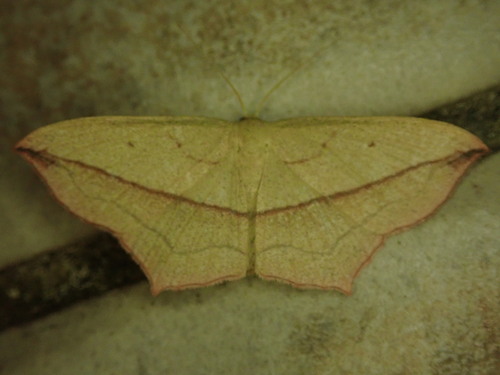
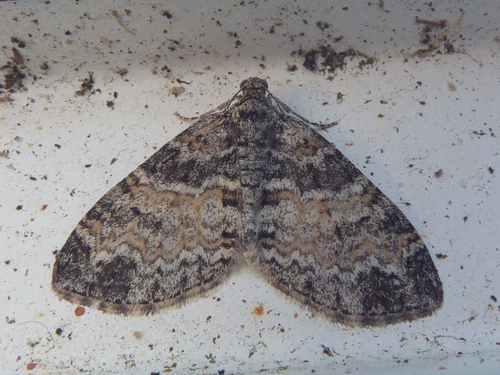
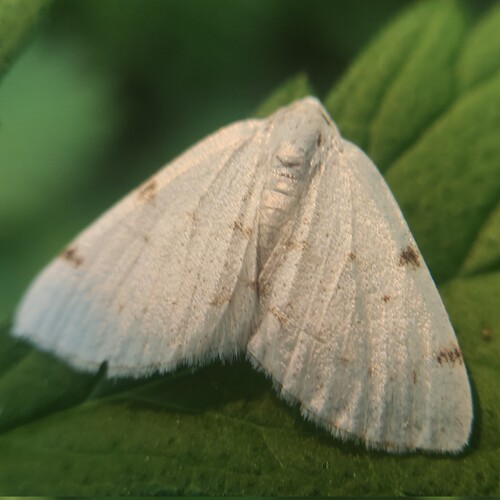
The wingspan is 24–34 millimetres (0.9–1.3 in). The colour is variable ranging from yellow brown to dark brown. The appearance is mottled with bands and spots. The brown cross bands on both forewings and hindwings vary in width and there may be no cross bands at all only small dark brownish spots. Males have comb-like antennae. Females are usually brown with a dusting of white but can be almost white with a series of brown crosslines.

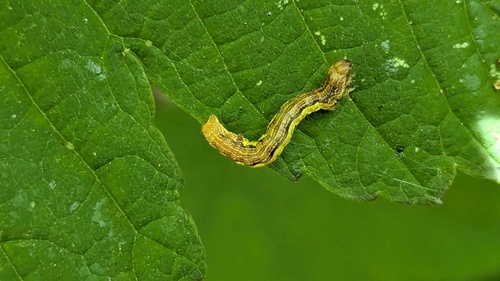
The egg is elongated and green to yellow-red. The caterpillar is slim, smooth and up to 30 millimeters long. The colour is very variable as with the moth; it ranges from brown to yellowish, grey to violet-grey. The dorsal line is dark, and the side stripes are light and wavy. The pupa is yellow-brown and spotted. The cremaster is long and forked at the end.

Richard South had this to say "Four specimens of this... Wikipedia →

Global Distribution

Parks Where Found

# Park Country Daily sighting probability
1 Hohe Tauern National Park 🇦🇹 Austria
~30%
2 Vanoise National Park 🇫🇷 France
~20%
3 Biebrza National Park 🇵🇱 Poland
~20%
4 Białowieża National Park 🇵🇱 Poland
~20%
5 Triglav National Park 🇸🇮 Slovenia
~20%
6 Mercantour National Park 🇫🇷 France
~20%
7 Cairngorms National Park 🇬🇧 United Kingdom
~20%
8 Bavarian Forest National Park 🇩🇪 Germany
~20%
9 Aigüestortes National Park 🇪🇸 Spain
~20%
10 Picos de Europa National Park 🇪🇸 Spain
~20%
11 Tatra National Park 🇸🇰 Slovakia
~20%
12 Fertő-Hanság National Park 🇭🇺 Hungary
~10%
13 Pyrénées National Park 🇫🇷 France
~10%
14 Snowdonia National Park 🇬🇧 United Kingdom
~10%
15 Ecrins National Park 🇫🇷 France
~10%
16 Cévennes National Park 🇫🇷 France
~10%
17 Wadden Sea National Park 🇩🇪 Germany
~10%

Cities Where Found

# City Country Daily sighting probability
1 Turin 🇮🇹 Italy
~20%
2 Prague 🇨🇿 Czechia
~10%
3 Milan 🇮🇹 Italy
~10%
4 Vienna 🇦🇹 Austria
~10%
5 Novosibirsk 🇷🇺 Russia
~10%
6 Nizhny Novgorod 🇷🇺 Russia
~10%
7 Warsaw 🇵🇱 Poland
~10%
8 Budapest 🇭🇺 Hungary
~10%
9 Helsinki 🇫🇮 Finland
~10%
10 Istanbul 🇹🇷 Turkey
~10%

Before you go

What are the chances of seeing a Common Heath in Saint Petersburg?

Rare

Under 5% of wildlife watchers report a Common Heath sighting in Saint Petersburg on a given day, based on 7 verified sightings from GBIF citizen-science data. It is the 295th most-seen of the 448 insects we can rate there. Over three days the chance rises to about 10%, and over a week to about 20%, if each day is a fresh chance.

When is the best time to see a Common Heath in Saint Petersburg?

Any time of year

In every month with enough records, under 5% of wildlife watchers report a Common Heath in Saint Petersburg on a given day, so our monthly data shows no clear season.

What time of day is best to see a Common Heath?

Between 11 am and 2 pm

Across all the parks we cover, that three-hour window holds the most Common Heath sightings with a recorded time, and about 9 in 10 of them come between 6 am and 6 pm: it is a daytime animal.

Is Saint Petersburg the best place to see a Common Heath?

23rd of 23

Of the 23 cities where we can rate Common Heath sightings, Saint Petersburg ranks 23rd at under 5%. The best odds are in Turin (Italy, about 20%), Prague (Czechia, about 10%) and Milan (Italy, about 10%).

Where does the Common Heath sighting chance come from?

GBIF citizen-science records

It is estimated from how often the Common Heath is recorded against all the insects logged in Saint Petersburg (7 verified sightings), calibrated against known sighting rates. Figures are rounded to the nearest 10% because citizen-science data supports honest approximations, not decimals, and months with records from fewer than five people show "—". How it works.

← Back to Saint Petersburg