Completed
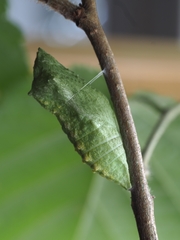
Old World Swallowtail
Papilio machaon
- KingdomAnimalia (Animals)
- PhylumArthropoda (Arthropods)
- ClassInsecta (Insects)
- OrderLepidoptera (Butterflies and Moths)
- FamilyPapilionidae (Swallowtails and Parnassians)
- GenusPapilio (Common Swallowtails)
- SpeciesPapilio machaon (Old World Swallowtail)
In 3 days ~10% in a week ~30%
15 Verified sightings at Yekaterinburg
901 In all 21 parks From 2019 to 2026
August Best month
☀️ Diurnal When it's spotted
About the Old World Swallowtail
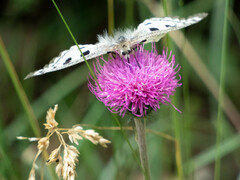
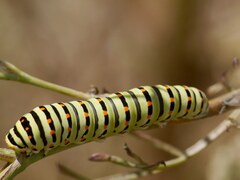
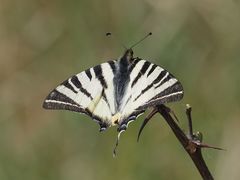
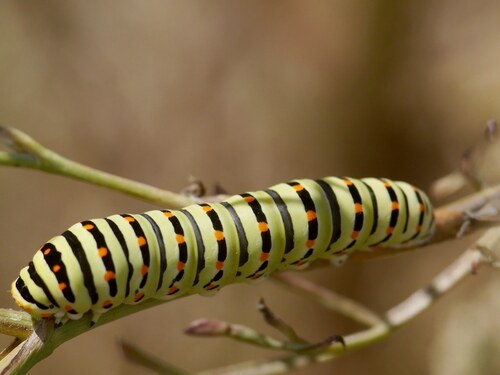
Papilio machaon, the Old World swallowtail, is a butterfly of the family Papilionidae. The butterfly is also known as the common yellow swallowtail or simply the swallowtail (a common name applied to all members of the family, but this species was the first to be given the name). It is the type species of the genus Papilio. This widespread species is found in much of the Palearctic and in North America.
This species is named after Machaon (Ancient Greek: Μαχάων, romanized: Makháōn) a figure in Greek mythology. He was a son of Asclepius in the works of Homer. Papilio machaon was named by Carl Linnaeus in the 10th edition of Systema Naturae in 1758, alongside nearly 200 other species of butterfly. Later, Pierre André Latreille designated it as the type species of the genus Papilio.
There are 41 recognized subspecies, that include: Papilio machaon gorganus is strongly migratory in Europe and may be found in almost all habitats. Wikipedia →
Recent sightings of Old World Swallowtail in Yekaterinburg
LIVEiNaturalistGlobal Distribution
Parks Where Found
| # | Park | Country | Daily sighting probability |
|---|---|---|---|
| 1 | Gobi Gurvansaikhan National Park | 🇲🇳 Mongolia | |
| 2 | Triglav National Park | 🇸🇮 Slovenia | |
| 3 | Mercantour National Park | 🇫🇷 France | |
| 4 | Vanoise National Park | 🇫🇷 France | |
| 5 | Ordesa y Monte Perdido National Park | 🇪🇸 Spain | |
| 6 | Pyrénées National Park | 🇫🇷 France | |
| 7 | Ecrins National Park | 🇫🇷 France | |
| 8 | Wrangell-St. Elias National Park | 🇺🇸 United States | |
| 9 | Cévennes National Park | 🇫🇷 France | |
| 10 | Aigüestortes National Park | 🇪🇸 Spain | |
| 11 | Picos de Europa National Park | 🇪🇸 Spain | |
| 12 | Sierra Nevada National Park | 🇪🇸 Spain | |
| 13 | Nikko National Park | 🇯🇵 Japan | |
| 14 | Monfragüe National Park | 🇪🇸 Spain | |
| 15 | Kluane National Park | 🇨🇦 Canada | |
| 16 | Bavarian Forest National Park | 🇩🇪 Germany | |
| 17 | Denali National Park | 🇺🇸 United States | |
| 18 | Hohe Tauern National Park | 🇦🇹 Austria | |
| 19 | Tatra National Park | 🇸🇰 Slovakia | |
| 20 | Fertő-Hanság National Park | 🇭🇺 Hungary | |
| 21 | Sierra de Guadarrama National Park | 🇪🇸 Spain |
Closest Relatives at Yekaterinburg









Before you go
What are the chances of seeing an Old World Swallowtail in Yekaterinburg?
Rare
Under 5% of wildlife watchers report an Old World Swallowtail sighting in Yekaterinburg on a given day, based on 15 verified sightings from GBIF citizen-science data. It is the 53rd most-seen of the 155 insects we can rate there. Over three days the chance rises to about 10%, and over a week to about 30%, if each day is a fresh chance.
When is the best time to see an Old World Swallowtail in Yekaterinburg?
May and July–August
In those months about 10% of wildlife watchers report an Old World Swallowtail in Yekaterinburg on a given day, against under 5% in June and September–April, the lowest months. Those are among Yekaterinburg's wettest months, with about 75 mm of rain a month against 25 mm in February.
What time of day is best to see an Old World Swallowtail?
Between 11 am and 2 pm
Across all the parks we cover, that three-hour window holds the most Old World Swallowtail sightings with a recorded time, and about 9 in 10 of them come between 6 am and 6 pm: it is a daytime animal.
Is Yekaterinburg the best place to see an Old World Swallowtail?
40th of 42
Of the 42 cities where we can rate Old World Swallowtail sightings, Yekaterinburg ranks 40th at under 5%. The best odds are in Ramallah (Palestine, about 30%), Turin (Italy, about 30%) and Barcelona (Spain, about 20%).
Which relatives of the Old World Swallowtail live in Yekaterinburg?
Same order: Lepidoptera
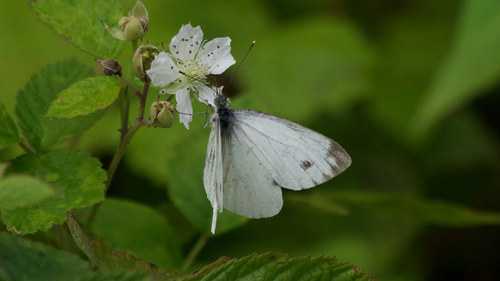
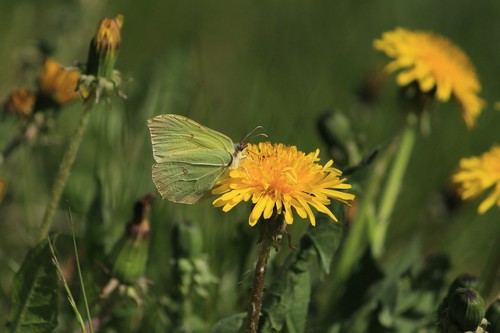
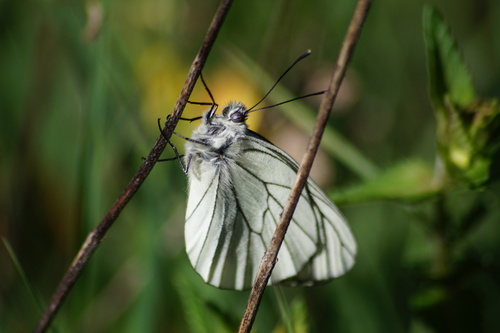
The closest relatives of the Old World Swallowtail that you can see in Yekaterinburg (order Lepidoptera, Butterflies and Moths) are European Peacock Butterfly (about 20%), Green-Veined White (about 10%) and Mourning Cloak (about 10%), with each one's daily chance of a sighting.
Where does the Old World Swallowtail sighting chance come from?
GBIF citizen-science records
It is estimated from how often the Old World Swallowtail is recorded against all the insects logged in Yekaterinburg (15 verified sightings), calibrated against known sighting rates. Figures are rounded to the nearest 10% because citizen-science data supports honest approximations, not decimals, and months with records from fewer than five people show "—". How it works.
