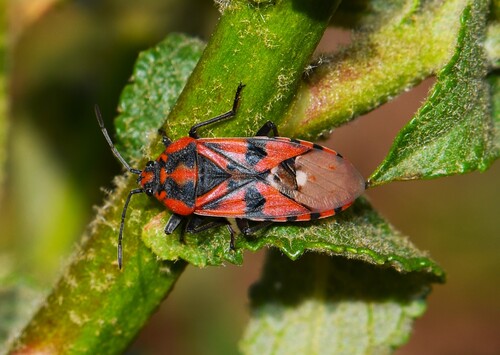
Indian Milkweed Bug

Indian Milkweed Bug

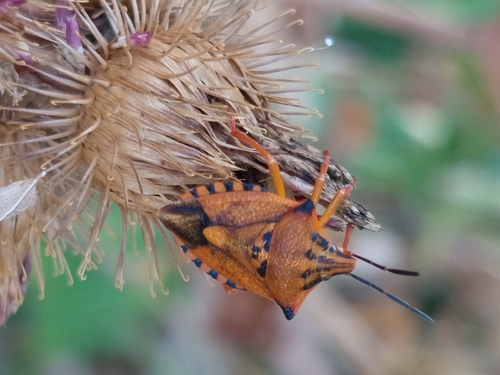
Spilostethus pandurus

Daily sighting probability ~20% · Possible
at Monfragüe National Park

In 3 days ~40% in a week ~70%

13 Verified sightings at Monfragüe National Park From 2019 to 2026
177 In all 10 parks
January Best month
☀️ Diurnal When it's spotted

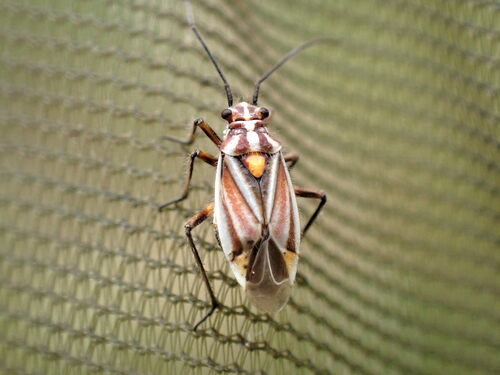
About the Indian Milkweed Bug

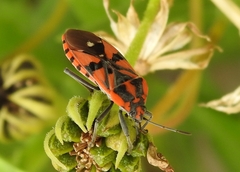
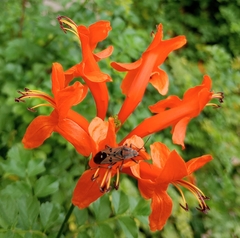
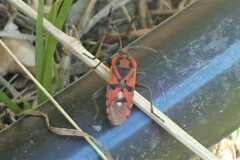
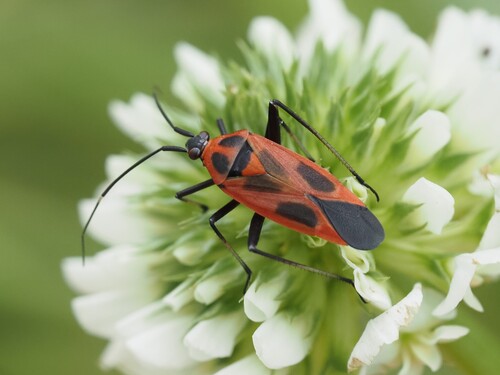
Spilostethus pandurus is a species of "seed bugs" belonging to the family Lygaeidae, subfamily Lygaeinae. The species was described in 1763 by Scopoli in his "Entomologica carniolica" with locus typicus from the area around Ljubljana. Scopoli does not mention the etymology of the species name but may have named it for the Panduri infantry unit of the Habsburg monarchy.

This species can be found in the Euro-mediterranean-Turaniaan Region, with a more southern distribution than Spilostethus saxatilis. It is present in Albania, Austria, Bulgaria, Croatia, Cyprus, Czech Republic, France, Germany, Greece, Hungary, Italy, Israel, Malta, Portugal, Romania, Russia, Serbia, Slovakia, Slovenia, Spain, Switzerland, Turkey, Lebanon, in the Afrotropical realm. and in the southern Asia to India and China.

Spilostethus pandurus can reach a length of 13–15 millimetres (0.51–0... Wikipedia →
Global Distribution

Parks Where Found

# Park Country Daily sighting probability
1 Sierra Nevada National Park 🇪🇸 Spain
~20%
2 Monfragüe National Park 🇪🇸 Spain
~20%
3 Picos de Europa National Park 🇪🇸 Spain
~10%
4 Cévennes National Park 🇫🇷 France
~10%
5 Mercantour National Park 🇫🇷 France
~10%
6 Camargue 🇫🇷 France
~10%
7 Sierra de Guadarrama National Park 🇪🇸 Spain
~10%
8 Addo Elephant National Park 🇿🇦 South Africa
~10%
9 Pyrénées National Park 🇫🇷 France
~10%
10 Garden Route National Park 🇿🇦 South Africa
<5%

Cities Where Found

# City Country Daily sighting probability
1 Cairo 🇪🇬 Egypt
~40%
2 Jerusalem 🇮🇱 Israel
~30%
3 Antalya 🇹🇷 Turkey
~20%
4 Izmir 🇹🇷 Turkey
~20%
5 Athens 🇬🇷 Greece
~20%
6 Barcelona 🇪🇸 Spain
~20%
7 Prayagraj 🇮🇳 India
~20%
8 Vadodara 🇮🇳 India
~20%
9 Chennai 🇮🇳 India
~10%
10 Valencia 🇪🇸 Spain
~10%

Before you go

What are the chances of seeing an Indian Milkweed Bug in Monfragüe National Park?

Possible

About 20% of wildlife watchers report an Indian Milkweed Bug sighting in Monfragüe National Park on a given day, based on 13 verified sightings from GBIF citizen-science data from 2019 to 2026. It is the 31st most-seen of the 84 insects we can rate there. Over three days the chance rises to about 40%, and over a week to about 70%, if each day is a fresh chance.

When is the best time to see an Indian Milkweed Bug in Monfragüe National Park?

January

In that month about 50% of wildlife watchers report an Indian Milkweed Bug in Monfragüe National Park on a given day, against under 5% in June–July, September–October and December, the lowest months.

What time of day is best to see an Indian Milkweed Bug?

Between 10 am and 1 pm

Across all the parks we cover, that three-hour window holds the most Indian Milkweed Bug sightings with a recorded time, and about 8 in 10 of them come between 6 am and 6 pm: it is a daytime animal.

Is Monfragüe National Park the best place to see an Indian Milkweed Bug?

Among the best

Of the 10 parks where we can rate Indian Milkweed Bug sightings, Monfragüe National Park ranks 2nd at about 20%, level with the leaders once rounded. The best odds are in Sierra Nevada National Park (Spain, about 20%).

Which relatives of the Indian Milkweed Bug live in Monfragüe National Park?

Same order: Hemiptera

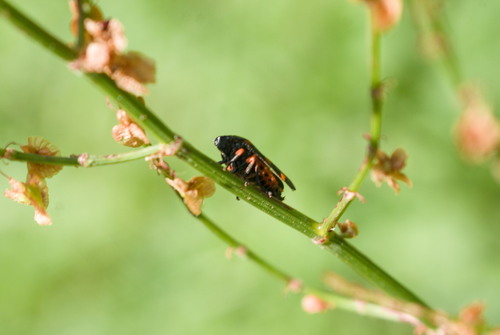
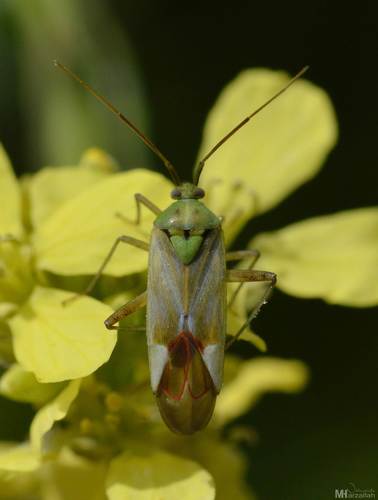
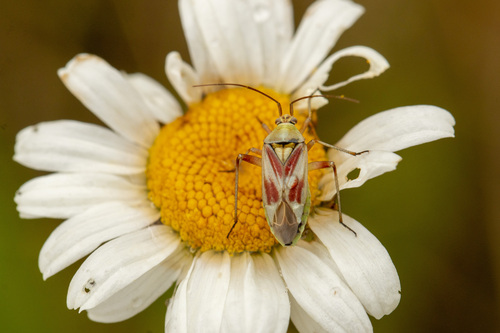
The closest relatives of the Indian Milkweed Bug that you can see in Monfragüe National Park (order Hemiptera, True Bugs, Hoppers, Aphids, and allies) are Calocoris nemoralis (about 20%), Horistus orientalis (about 10%) and Cercopis intermedia (about 10%), with each one's daily chance of a sighting.

Where does the Indian Milkweed Bug sighting chance come from?

GBIF citizen-science records

It is estimated from how often the Indian Milkweed Bug is recorded against all the insects logged in Monfragüe National Park (13 verified sightings from 2019 to 2026), calibrated against known sighting rates. Figures are rounded to the nearest 10% because citizen-science data supports honest approximations, not decimals, and months with records from fewer than five people show "—". How it works.

← Back to Monfragüe National Park