








wwf.org.au Web excerpt · 2026
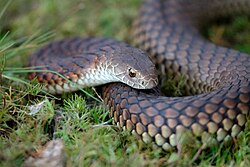
“Adopt a koala Thanks to WWF-Australia’s generous supporters, we are able to fund the important work of Phillip Island Nature Parks.”
🇦🇺 Australia
Phillip Island Nature Park is a conservation park located on Phillip Island, Victoria, Australia. Created in 1996, the park is owned by the Victorian State Government; however, it is a self-funding commercial attraction for the purpose of animal conservation and research.
An oil spill off the island in January, 2000 led to a worldwide appeal for hand-knitted penguin sweaters. Located 1.5 hours drive south-east of Melbourne, PINP covers several separate areas over 1805 hectares. The parks include Pyramid Rock, Rhyll Inlet, Seal Rocks, and Cape Woolamai, with specific viewing and attraction areas that include the Nobbies Centre, the Penguin Parade, Koala Conservation Centre, and the Churchill Island Heritage Farm.
Phillip Island’s Penguin Parade is the only commercial venue in the world where penguins can be seen in their own environment, and attracts tourists from different parts of the world. The Koala Conservation Centre is dedicated to koala research and conservation and allows the opportunity to view koalas in their natural habitat on treetop boardwalks.
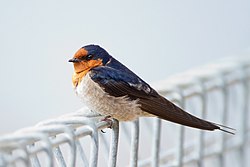
Much of the park lies within the Phillip Island Important Bird Area, so identified by BirdLife International because of its importance in supporting significant populations of little penguins, short-tailed shearwaters and Pacific gulls.
-38.508° S 145.164° E

Warmer areas are where all species together are recorded most often.



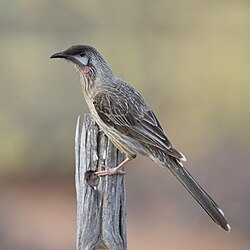


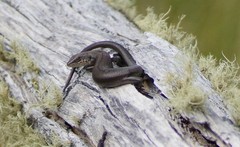


How rich is the wildlife?
How likely to see animals?
How easy and pleasant is the visit?
Your review
“Adopt a koala Thanks to WWF-Australia’s generous supporters, we are able to fund the important work of Phillip Island Nature Parks.”
571 species
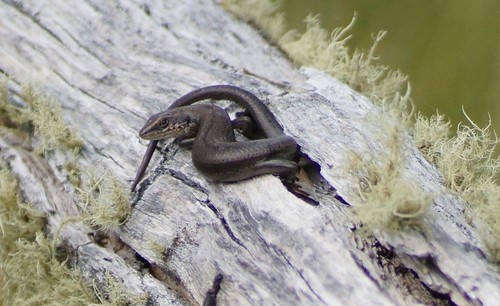
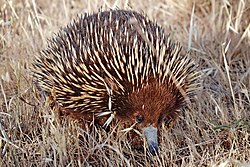
Phillip Island Nature Park has 571 recorded vertebrate species. The ones wildlife watchers report most often on a given day are Swamp Wallaby (about 90%), Short-tail Stingray (about 80%), Silver Gull (about 80%), Masked Lapwing (about 80%) and Australian Magpie (about 80%). Among reptiles, the most-seen is Lowlands Copperhead (about 40%); among amphibians, Whistling Tree Frog (about 20%).
October to May
In those months the park's 12 most-seen species average about 80% on a given day, against about 70% in June to September.
Yes
About 90% of wildlife watchers report a Swamp Wallaby sighting in Phillip Island Nature Park on a given day, based on 706 verified sightings from GBIF citizen-science data from 2019 to 2026. The best time is February–June and October (about 90%).
Yes
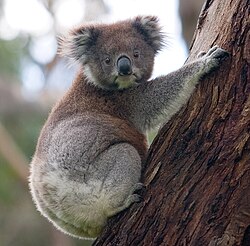
About 60% of wildlife watchers report a Short-beaked Echidna sighting in Phillip Island Nature Park on a given day, based on 204 verified sightings from GBIF citizen-science data from 2019 to 2026. The best time is February–March and November (about 80%).
Yes
About 30% of wildlife watchers report an Afro-Australian Fur Seal sighting in Phillip Island Nature Park on a given day, based on 60 verified sightings from GBIF citizen-science data from 2019 to 2026. The best time is May–June, August and October–November (about 40%).
Around Reid Bight
The richest sighting zone is around Reid Bight, followed by Seal Rocks Lookout and Rhyll Swamp, ranked by how many of the park's headline animals visitors can expect to see in each. See the zones on the map.
4.3 out of 5
On the Wallace's Line Score, Phillip Island Nature Park rates 4.3/5: 90th of 340 parks worldwide and 2nd in Oceania. 39 of its species are reported by about 40% or more of wildlife watchers on a given day.


