Wart-Biter

Wart-Biter

Decticus verrucivorus

Daily sighting probability <5% · Rare
at Wadden Sea National Park

In 3 days ~10% in a week ~20%

5 Verified sightings at Wadden Sea National Park From 2019 to 2026
886 In all 14 parks
August Best month
☀️ Diurnal When it's spotted

About the Wart-Biter

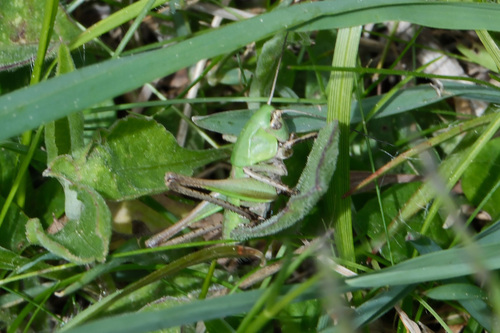
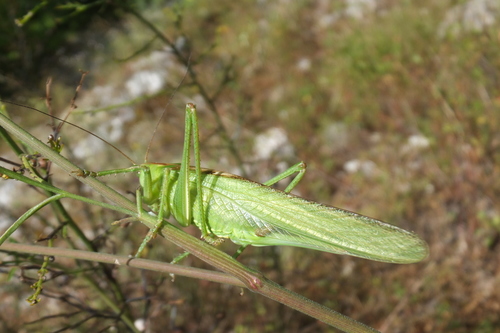
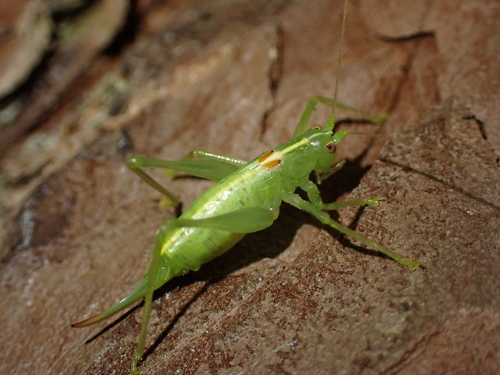
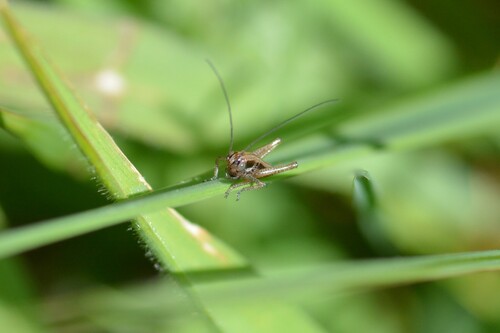
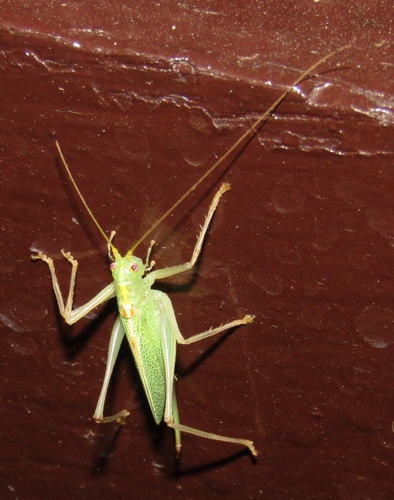
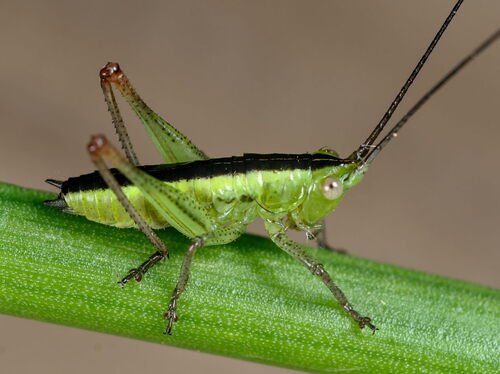
The wart-biter (Decticus verrucivorus) is a bush-cricket in the family Tettigoniidae. Its common and scientific names derive from the eighteenth-century Swedish practice of allowing the crickets to nibble at warts to remove them.

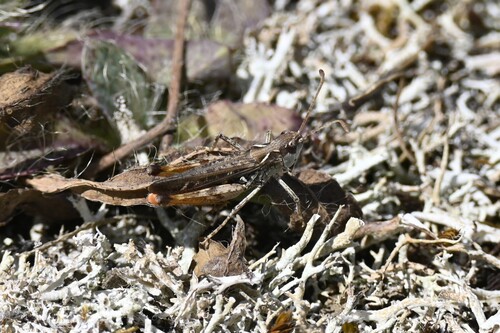
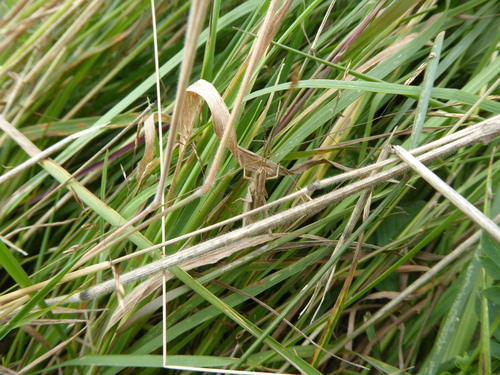
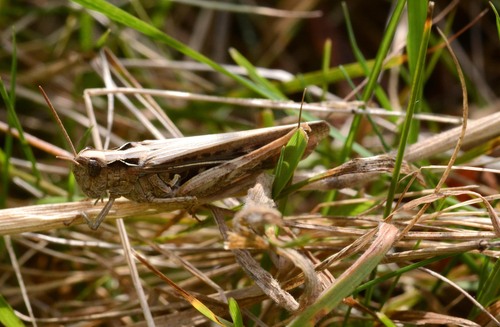
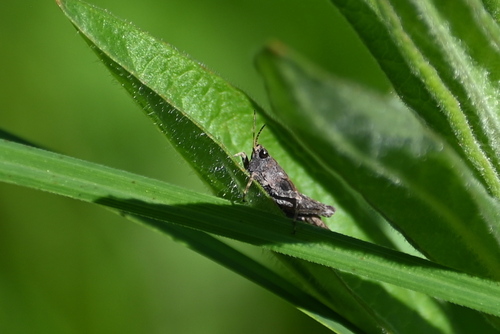
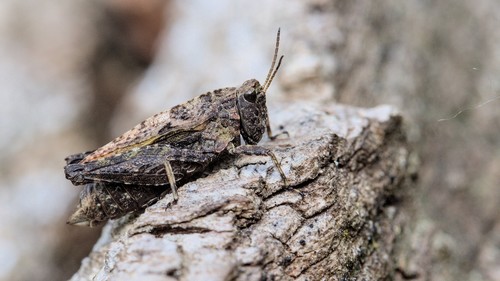
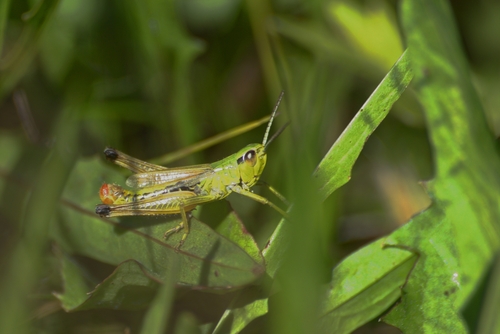
Adult wart-biters are 31–37 millimetres (1.2–1.5 in), with females being significantly larger than males. They are typically dark green in colour, and shiny, always with at least some dark brown mottling or blotches on the pronotum and wings; a largely dark brown morphotype also occurs, though still mottled with some green. The female has a 20 mm long and slightly upcurved ovipositor. Their colour acts as effective camouflage in grassy surroundings.

The wart-biter has a song consisting of a rapidly repeated series of short bursts of clicks starting slowly and speeding up, sometimes lasting for several minutes; it only sings in sunny weather. Wart-biters normally move around by walking; they rarely fly, except when frightened. Most can only fly 3 to 4 metres (10 to 13 ft) at a time.

The Orthoptera Species File lists: D. verrucivorus assiduus Ingrisch, Willemse & Heller, 1992 D. verrucivorus brevipennis Götz, 1970 D. verrucivorus... Wikipedia →

Global Distribution

Parks Where Found

# Park Country Daily sighting probability
1 Mercantour National Park 🇫🇷 France
~50%
2 Ecrins National Park 🇫🇷 France
~40%
3 Vanoise National Park 🇫🇷 France
~40%
4 Aigüestortes National Park 🇪🇸 Spain
~30%
5 Triglav National Park 🇸🇮 Slovenia
~30%
6 Kiskunság National Park 🇭🇺 Hungary
~30%
7 Pyrénées National Park 🇫🇷 France
~20%
8 Hohe Tauern National Park 🇦🇹 Austria
~20%
9 Biebrza National Park 🇵🇱 Poland
~20%
10 Cévennes National Park 🇫🇷 France
~20%
11 Tatra National Park 🇸🇰 Slovakia
~10%
12 Fertő-Hanság National Park 🇭🇺 Hungary
~10%
13 Bavarian Forest National Park 🇩🇪 Germany
~10%
14 Wadden Sea National Park 🇩🇪 Germany
<5%

Cities Where Found

# City Country Daily sighting probability
1 Budapest 🇭🇺 Hungary
~10%
2 Stockholm 🇸🇪 Sweden
<5%
3 Vienna 🇦🇹 Austria
<5%
4 Warsaw 🇵🇱 Poland
<5%
5 Bucharest 🇷🇴 Romania
<5%
6 Moscow 🇷🇺 Russia
<5%
7 Saint Petersburg 🇷🇺 Russia
<5%
8 Berlin 🇩🇪 Germany
<5%

Before you go

What are the chances of seeing a Wart-Biter in Wadden Sea National Park?

Rare

Under 5% of wildlife watchers report a Wart-Biter sighting in Wadden Sea National Park on a given day, based on 5 verified sightings from GBIF citizen-science data from 2019 to 2026. It is the 699th most-seen of the 818 insects we can rate there. Over three days the chance rises to about 10%, and over a week to about 20%, if each day is a fresh chance.

When is the best time to see a Wart-Biter in Wadden Sea National Park?

August

In that month about 10% of wildlife watchers report a Wart-Biter in Wadden Sea National Park on a given day, against under 5% in September to July, the lowest months.

What time of day is best to see a Wart-Biter?

Between 11 am and 2 pm

Across all the parks we cover, that three-hour window holds the most Wart-Biter sightings with a recorded time, and about 9 in 10 of them come between 6 am and 6 pm: it is a daytime animal.

Where does the Wart-Biter sighting chance come from?

GBIF citizen-science records

It is estimated from how often the Wart-Biter is recorded against all the insects logged in Wadden Sea National Park (5 verified sightings from 2019 to 2026), calibrated against known sighting rates. Figures are rounded to the nearest 10% because citizen-science data supports honest approximations, not decimals, and months with records from fewer than five people show "—". How it works.

← Back to Wadden Sea National Park