White-Lined Sphinx

White-Lined Sphinx

Hyles lineata

Daily sighting probability ~10% · With luck
at Yellowstone National Park

In 3 days ~20% in a week ~40%

21 Verified sightings at Yellowstone National Park From 2019 to 2026
1,875 In all 23 parks
May Best month
☀️ Diurnal When it's spotted

About the White-Lined Sphinx

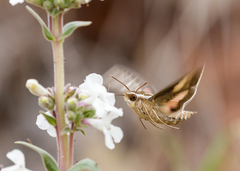
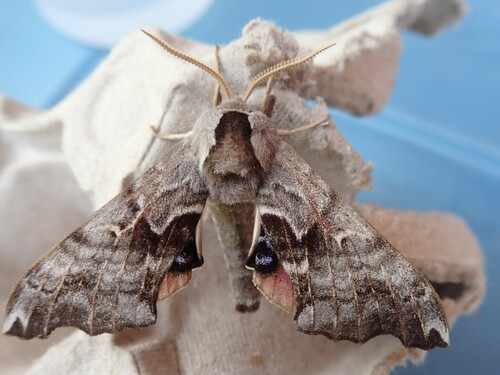
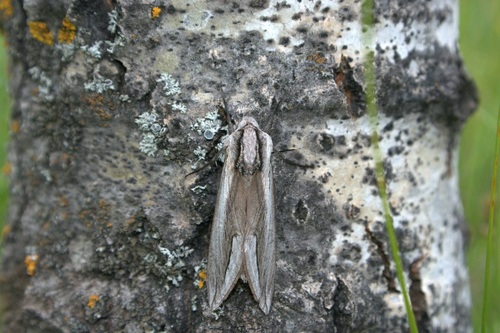
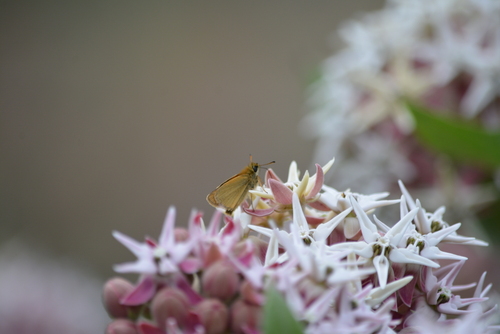
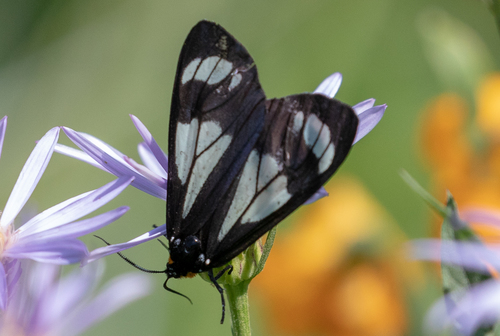
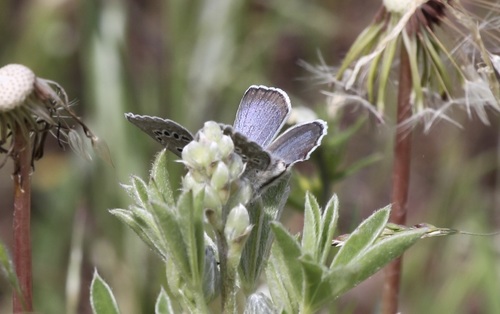
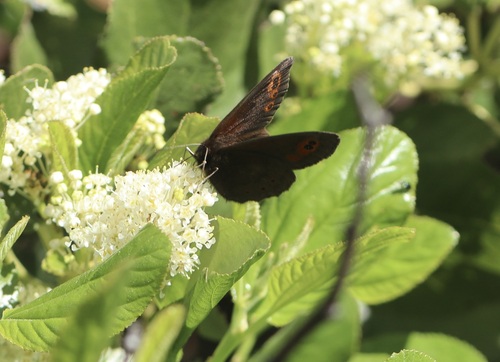
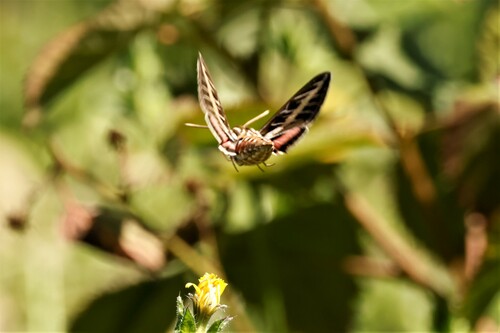
Hyles lineata, also known as the white-lined sphinx moth, is a moth of the family Sphingidae. They are sometimes known as a "hummingbird moth" because of their bird-like size (2–3 inch wingspan) and flight patterns. As caterpillars, they have a wide range of color phenotypes but show consistent adult coloration. With a wide geographic range throughout Central and North America, H. lineata is known to feed on many different host plants as caterpillars and pollinate a variety of flowers as adults.

Larvae are powerful eaters and are known to form massive groupings capable of damaging crops and gardens. As adults, they use both visual and olfactory perception to locate plants from which they collect nectar. Hyles lineata is one of the most abundant hawk moths in North America and has a very wide geographic range. This range extends from Central America to southern Canada through Mexico and most of the United States. Some regions of South Asia like Sindh, Pakistan are reported to have habitats for these moths. They can also be found occasionally in the West Indies. Rarely, specimens have also been reported in Eurasia and Africa.

The abundance of Hyles lineata populations... Wikipedia →
Global Distribution

Parks Where Found

# Park Country Daily sighting probability
1 Death Valley National Park 🇺🇸 United States
~80%
2 Joshua Tree National Park 🇺🇸 United States
~40%
3 Bahía de Loreto National Park 🇲🇽 Mexico
~30%
4 Grand Canyon National Park 🇺🇸 United States
~30%
5 El Vizcaíno Biosphere Reserve 🇲🇽 Mexico
~30%
6 Big Bend National Park 🇺🇸 United States
~30%
7 Cabo Pulmo National Park 🇲🇽 Mexico
~30%
8 Sequoia and Kings Canyon National Parks 🇺🇸 United States
~30%
9 Guadalupe Mountains National Park 🇺🇸 United States
~20%
10 Zion National Park 🇺🇸 United States
~20%
11 Saguaro National Park 🇺🇸 United States
~20%
12 Rocky Mountain National Park 🇺🇸 United States
~20%
13 Channel Islands National Park 🇺🇸 United States
~20%
14 Yosemite National Park 🇺🇸 United States
~20%
15 Badlands National Park 🇺🇸 United States
~10%
16 Redwood National Park 🇺🇸 United States
~10%
17 Galápagos Islands 🇪🇨 Ecuador
~10%
18 Grand Teton National Park 🇺🇸 United States
~10%
19 Cumbres de Monterrey National Park 🇲🇽 Mexico
~10%
20 Yellowstone National Park 🇺🇸 United States
~10%
21 Glacier National Park 🇺🇸 United States
~10%
22 Merritt Island National Wildlife Refuge 🇺🇸 United States
~10%
23 Shenandoah National Park 🇺🇸 United States
~10%

Cities Where Found

# City Country Daily sighting probability
1 Mesa 🇺🇸 United States
~30%
2 Tijuana 🇲🇽 México
~30%
3 Las Vegas 🇺🇸 United States
~20%
4 Austin 🇺🇸 United States
~20%
5 Phoenix 🇺🇸 United States
~20%
6 Salt Lake City 🇺🇸 United States
~20%
7 Denver 🇺🇸 United States
~20%
8 Ciudad Juárez 🇲🇽 México
~20%
9 Los Angeles 🇺🇸 United States
~20%
10 San Diego 🇺🇸 United States
~20%

Before you go

What are the chances of seeing a White-Lined Sphinx in Yellowstone National Park?

With luck

About 10% of wildlife watchers report a White-Lined Sphinx sighting in Yellowstone National Park on a given day, based on 21 verified sightings from GBIF citizen-science data from 2019 to 2026. It is the 49th most-seen of the 160 insects we can rate there. Over three days the chance rises to about 20%, and over a week to about 40%, if each day is a fresh chance.

When is the best time to see a White-Lined Sphinx in Yellowstone National Park?

May to September

In those months about 10% of wildlife watchers report a White-Lined Sphinx in Yellowstone National Park on a given day, against under 5% in October to April, the lowest months.

What time of day is best to see a White-Lined Sphinx?

Between 9 am and noon

Across all the parks we cover, that three-hour window holds the most White-Lined Sphinx sightings with a recorded time, and about 8 in 10 of them come between 6 am and 6 pm: it is a daytime animal.

Where does the White-Lined Sphinx sighting chance come from?

GBIF citizen-science records

It is estimated from how often the White-Lined Sphinx is recorded against all the insects logged in Yellowstone National Park (21 verified sightings from 2019 to 2026), calibrated against known sighting rates. Figures are rounded to the nearest 10% because citizen-science data supports honest approximations, not decimals, and months with records from fewer than five people show "—". How it works.

← Back to Yellowstone National Park