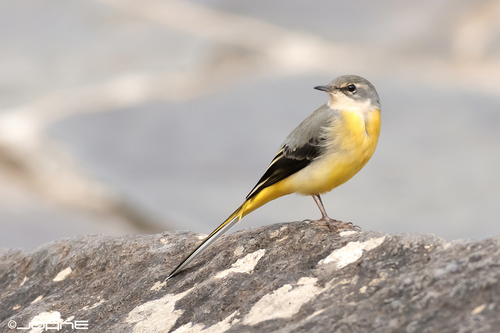
Siberian Rubythroat

Siberian Rubythroat

Luscinia calliope

Silhouette: Stephan Sprinz · PhyloPic

LCLeast ConcernNTVUENCR
Daily sighting probability ~20% · Possible
at Đà Nẵng

In 3 days ~50% in a week ~80%

16 Verified sightings at Đà Nẵng
384 In all 12 parks From 2019 to 2026
December Best month
☀️🌙 Day & Night When it's spotted

About the Siberian Rubythroat

The Siberian rubythroat (Calliope calliope) is a small passerine bird first described by Peter Simon Pallas in 1776. It was formerly classed as a member of the thrush family, Turdidae, but is now more generally considered to be an Old World flycatcher of the family Muscicapidae. The Siberian rubythroat and similar small European species are often called chats.

The Siberian rubythroat was previously placed in the genus Luscinia. A large molecular phylogenetic study published in 2010 found that Luscinia was not monophyletic. The genus was therefore split and several species including the Siberian rubythroat as the type species were moved to the reinstated genus Calliope, which had originally been proposed by John Gould for the species in 1836. Calliope, from classical Greek meaning "beautiful-voiced", was one of the muses in Greek mythology and presided over eloquence and heroic poetry.

This species is slightly larger than the European robin. It is plain brown above except for the distinctive black tail with red side patches. It has a strong white supercilium. The male has a red throat edged with a narrow black and then a broad white border. Females lack... Wikipedia →

Sounds

Recording0:30

Russia · 2026

© Roman A. Lagazyuk (Роман А. Лагазюк) · iNaturalist · CC BY 4.0

Recording1:31

Russia · 2022

© mamrashev · iNaturalist · CC BY-NC 4.0

Recording0:11

Russia · 2019

© Alexey Zyryanov · iNaturalist · CC BY-NC 4.0

Global Distribution

Parks Where Found

# Park Country Daily sighting probability
1 Keoladeo National Park 🇮🇳 India
~10%
2 Jiuzhaigou National Park 🇨🇳 China
<5%
3 Chitwan National Park 🇳🇵 Nepal
<5%
4 Gobi Gurvansaikhan National Park 🇲🇳 Mongolia
<5%
5 Manas National Park 🇮🇳 India
<5%
6 Taroko National Park 🇹🇼 Taiwan
<5%
7 Kaeng Krachan National Park 🇹🇭 Thailand
<5%
8 Khao Yai National Park 🇹🇭 Thailand
<5%
9 Kaziranga National Park 🇮🇳 India
<5%
10 Jim Corbett National Park 🇮🇳 India
<5%
11 Doi Inthanon National Park 🇹🇭 Thailand
<5%
12 Royal Manas National Park 🇧🇹 Bhutan
<5%

Cities Where Found

# City Country Daily sighting probability
1 Đà Nẵng 🇻🇳 Vietnam
~20%
2 Tuen Mun 🇨🇳 China
~10%
3 Novosibirsk 🇷🇺 Russia
~10%
4 Guwahati 🇮🇳 India
~10%
5 Hanoi 🇻🇳 Vietnam
~10%
6 Tamluk 🇮🇳 India
~10%
7 Taipei 🇹🇼 Taiwan
~10%
8 Phnom Penh 🇰🇭 Cambodia
<5%
9 Taichung 🇹🇼 Taiwan
<5%
10 Beijing 🇨🇳 China
<5%

Zoos & Centres Where Found

# Zoo / Centre Country
1 Beijing Wildlife Park 🇨🇳 China In captivity
2 Ueno Zoo 🇯🇵 Japan In captivity

Before you go

What are the chances of seeing a Siberian Rubythroat in Đà Nẵng?

Possible

About 20% of wildlife watchers report a Siberian Rubythroat sighting in Đà Nẵng on a given day, based on 16 verified sightings from GBIF citizen-science data. It is the 30th most-seen of the 56 birds we can rate there. Over three days the chance rises to about 50%, and over a week to about 80%, if each day is a fresh chance.

When is the best time to see a Siberian Rubythroat in Đà Nẵng?

December

In that month about 30% of wildlife watchers report a Siberian Rubythroat in Đà Nẵng on a given day, against about 10% in January to October, the lowest months.

What time of day is best to see a Siberian Rubythroat?

Between 10 am and 1 pm

Across all the parks we cover, that three-hour window holds the most Siberian Rubythroat sightings with a recorded time, and about 7 in 10 of them come between 6 am and 6 pm: it is seen both by day and at night.

Is Đà Nẵng the best place to see a Siberian Rubythroat?

Yes

Of the 22 cities where we can rate Siberian Rubythroat sightings, Đà Nẵng has the highest daily chance: about 20%. Next come Tuen Mun (China, about 10%) and Novosibirsk (Russia, about 10%).

Which relatives of the Siberian Rubythroat live in Đà Nẵng?

Same family: Muscicapidae

The closest relatives of the Siberian Rubythroat that you can see in Đà Nẵng (family Muscicapidae, Old World Flycatchers, Robins, and Chats) are Amur Stonechat (about 50%), Taiga Flycatcher (about 10%) and Blue Rock-Thrush (about 10%), with each one's daily chance of a sighting.

Where does the Siberian Rubythroat sighting chance come from?

GBIF citizen-science records

It is estimated from how often the Siberian Rubythroat is recorded against all the birds logged in Đà Nẵng (16 verified sightings), calibrated against known sighting rates. Figures are rounded to the nearest 10% because citizen-science data supports honest approximations, not decimals, and months with records from fewer than five people show "—". How it works.

← Back to Đà Nẵng