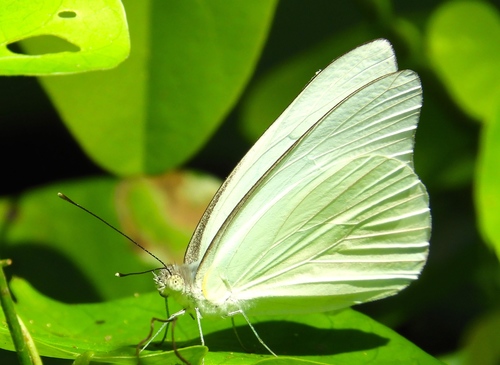
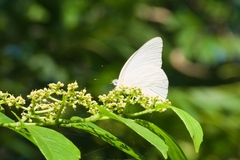
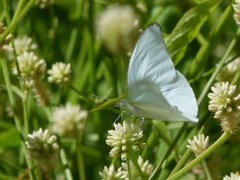
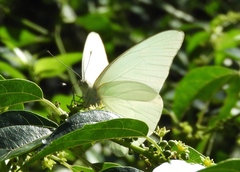
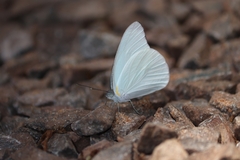
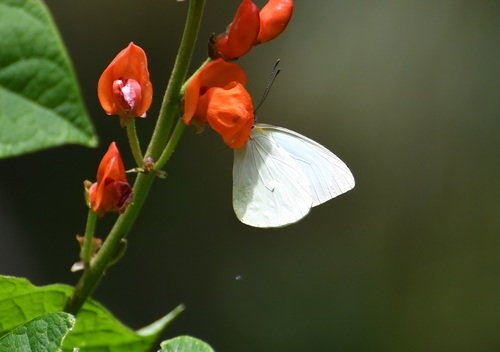
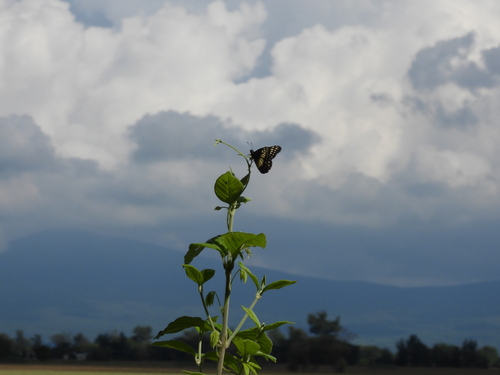
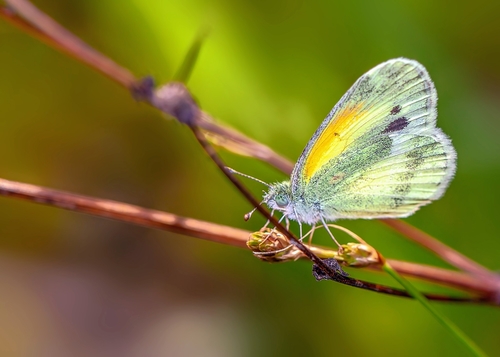
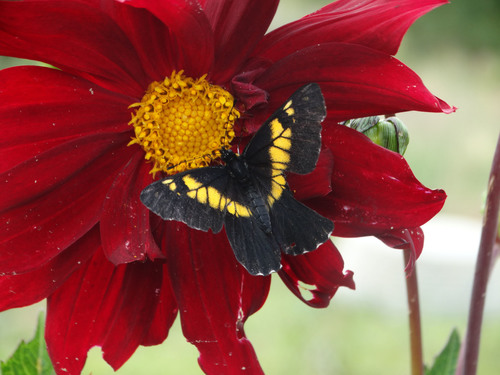
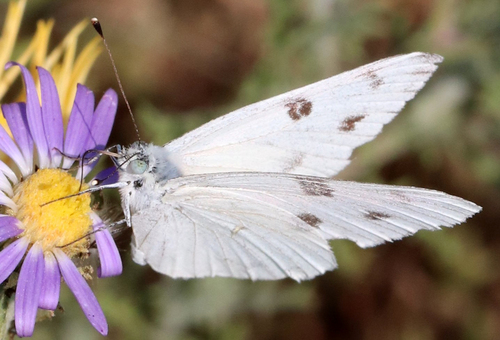
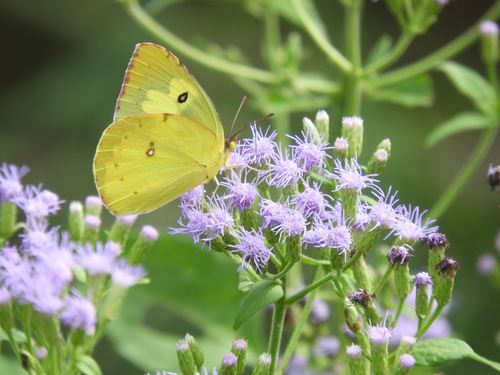

Florida White

Florida White

Glutophrissa drusilla

Daily sighting probability <5% · Rare
at Mexico City

In 3 days ~10% in a week ~20%

26 Verified sightings at Mexico City
87 In all 8 parks From 2019 to 2026
August Best month
☀️ Diurnal When it's spotted

About the Florida White

Appias drusilla, the Florida white or tropical white, is a butterfly in the family Pieridae. It is found in tropical America from Brazil north to southern peninsular Florida and the Florida Keys and Antilles. It frequently visits coastal Texas and is a rare stray to Nebraska and Colorado. The habitat consists of tropical lowland evergreen or semideciduous forests.

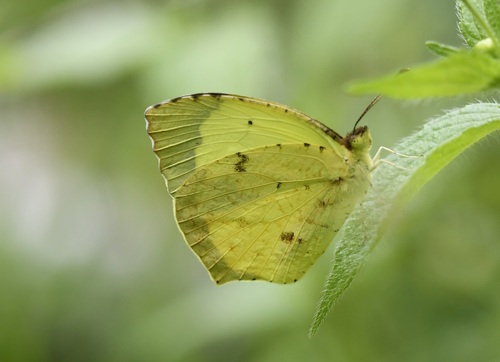
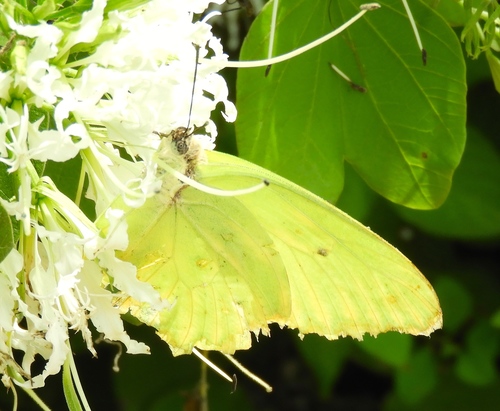
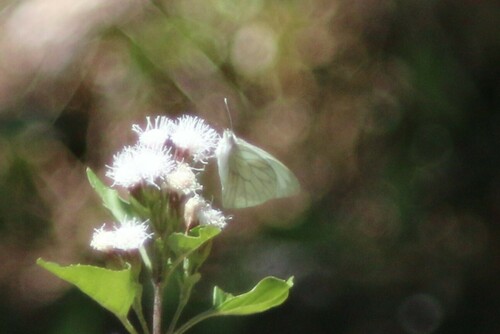
The wingspan is 53–77 mm (2.1–3.0 in). Males are solid white on both the upper and lower surfaces of the wings except for a narrow edging of black along the forewing costal margin. The female has two forms: the dry-season form is all white and the wet-season form has black along the forewing costal margin and a yellow-orange upper hindwing. The dry-season form is on wing from October to April and the wet-season form from May to September. They feed on flower nectar from a variety of weeds and garden plants including Lantana and Eupatorium.

The larvae feed on glucosinolate-containing plant species from the Capparaceae, Cleomaceae, and Putranjivaceae families (excluding Brassicaceae), including Drypetes lateriflora and Capparis flexuosa in Florida. They are shade loving and feed during the night and on cloudy... Wikipedia →

Global Distribution

Parks Where Found

# Park Country Daily sighting probability
1 Montes Azules Biosphere Reserve 🇲🇽 Mexico
~20%
2 Yasuní National Park 🇪🇨 Ecuador
~10%
3 Calakmul Biosphere Reserve 🇲🇽 Mexico
~10%
4 Sian Ka'an Biosphere Reserve 🇲🇽 Mexico
~10%
5 Iguazú National Park 🇦🇷 Argentina
~10%
6 Everglades National Park 🇺🇸 United States
~10%
7 Iguaçu National Park 🇧🇷 Brazil
~10%
8 Cumbres de Monterrey National Park 🇲🇽 Mexico
~10%

Cities Where Found

# City Country Daily sighting probability
1 Santa Cruz de la Sierra 🇧🇴 Bolivia
~20%
2 Vitória 🇧🇷 Brazil
~10%
3 San Pedro Sula 🇭🇳 Honduras
~10%
4 Santo Domingo 🇩🇴 Dominican Republic
~10%
5 Monterrey 🇲🇽 México
<5%
6 Rio de Janeiro 🇧🇷 Brazil
<5%
7 Guadalajara 🇲🇽 México
<5%
8 Mexico City 🇲🇽 México
<5%
9 São Paulo 🇧🇷 Brazil
<5%

Before you go

What are the chances of seeing a Florida White in Mexico City?

Rare

Under 5% of wildlife watchers report a Florida White sighting in Mexico City on a given day, based on 26 verified sightings from GBIF citizen-science data. It is the 221st most-seen of the 557 insects we can rate there. Over three days the chance rises to about 10%, and over a week to about 20%, if each day is a fresh chance.

When is the best time to see a Florida White in Mexico City?

August and September

In those months about 10% of wildlife watchers report a Florida White in Mexico City on a given day, against under 5% in October to July, the lowest months. Those are among Mexico City's wettest months, with about 150 mm of rain a month against 5 mm in December.

What time of day is best to see a Florida White?

Between noon and 3 pm

Across all the parks we cover, that three-hour window holds the most Florida White sightings with a recorded time, and nearly all of them come between 6 am and 6 pm: it is a daytime animal.

Is Mexico City the best place to see a Florida White?

8th of 9

Of the 9 cities where we can rate Florida White sightings, Mexico City ranks 8th at under 5%. The best odds are in Santa Cruz de la Sierra (Bolivia, about 20%), Vitória (Brazil, about 10%) and San Pedro Sula (Honduras, about 10%).

Which relatives of the Florida White live in Mexico City?

Same family: Pieridae

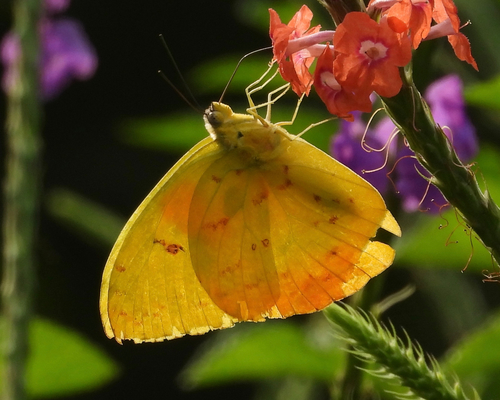
The closest relatives of the Florida White that you can see in Mexico City (family Pieridae, Whites, Yellows, and Sulphurs) are Green-Eyed White (about 30%), Orange-Barred Sulphur (about 20%) and Mexican Dartwhite (about 10%), with each one's daily chance of a sighting.

Where does the Florida White sighting chance come from?

GBIF citizen-science records

It is estimated from how often the Florida White is recorded against all the insects logged in Mexico City (26 verified sightings), calibrated against known sighting rates. Figures are rounded to the nearest 10% because citizen-science data supports honest approximations, not decimals, and months with records from fewer than five people show "—". How it works.

← Back to Mexico City