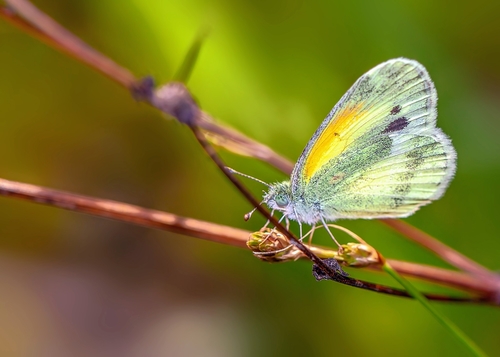
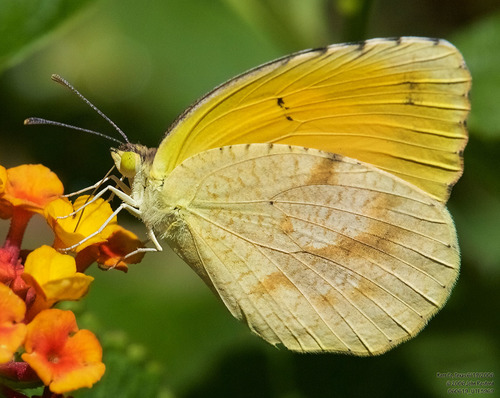
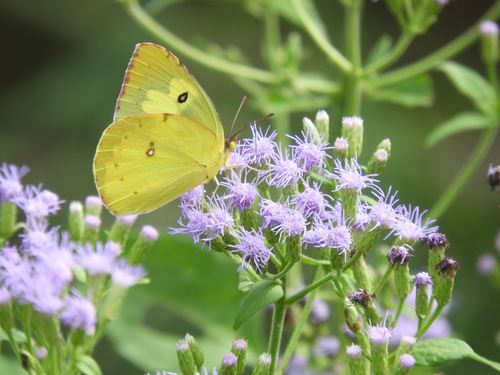
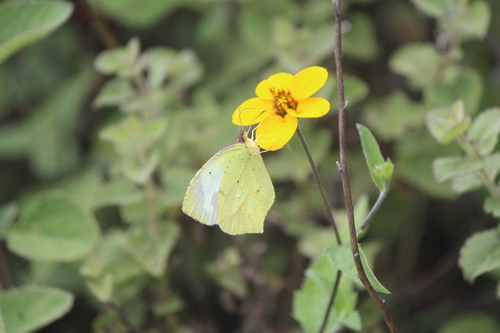
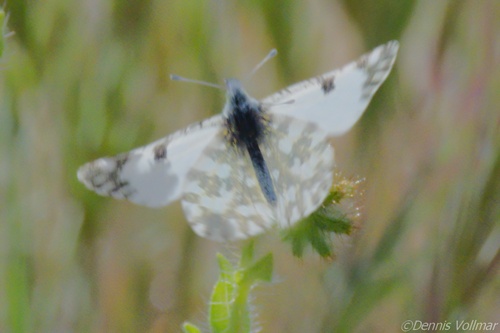
Checkered White

Checkered White

Pontia protodice

Daily sighting probability ~20% · Possible
at Saguaro National Park

In 3 days ~40% in a week ~70%

137 Verified sightings at Saguaro National Park From 2019 to 2026
558 In all 11 parks
December Best month
☀️ Diurnal When it's spotted

About the Checkered White

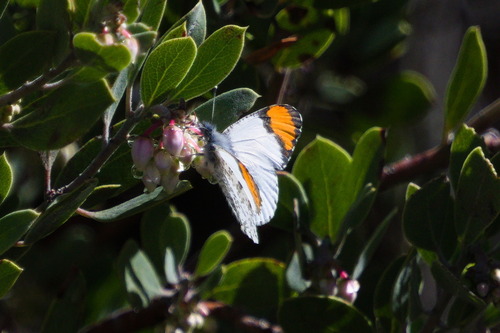
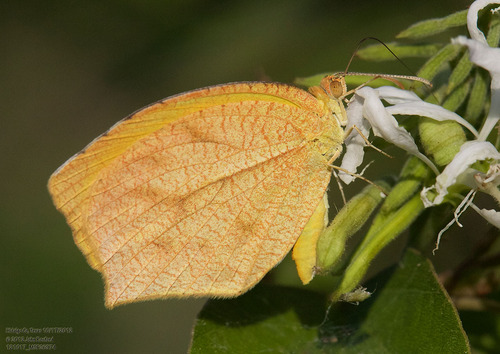
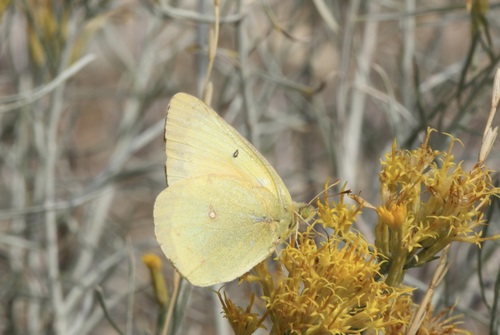
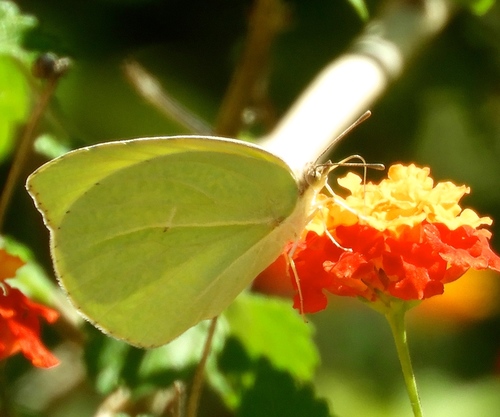
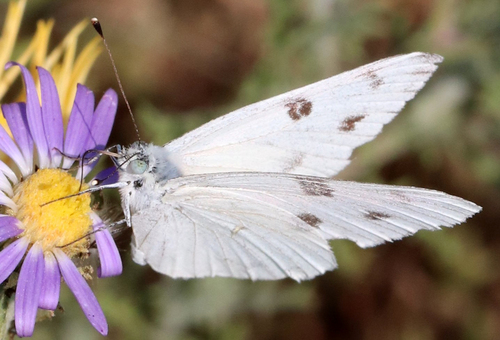
Pontia protodice, the checkered white or southern cabbage butterfly, is a common North American butterfly in the family Pieridae. Its green larva is a type of cabbage worm. The upperside of the wings are white and marked with black and gray, more so on the female than on the male. The underside of the hindwings is marked with extensive yellow-brown veins. The wingspan is 1.25–1.75 inches (3.2–4.4 cm). In its pre-adult form, the egg is orange, and mature larvae are black dotted and bluish green to gray with a yellow dorsal, lateral and sublateral stripe. The pupa overwinters, and varies in color from blue-gray to cream.

Pontia protodice is most commonly found in the southern parts on the United States along with some of the northern areas of Mexico. Occasionally the species can be found in the northern parts of the U.S. and southern Canada. It is absent from the Pacific Northwest and the New England area, although populations have become increasingly erratic just east of the Appalachians.P. protodice are most widespread in late summer and autumn, not earlier in the season.

Habitats are open areas, including desert, plains, and disturbed... Wikipedia →
Global Distribution

Parks Where Found

# Park Country Daily sighting probability
1 Joshua Tree National Park 🇺🇸 United States
~30%
2 Big Bend National Park 🇺🇸 United States
~30%
3 Grand Canyon National Park 🇺🇸 United States
~20%
4 Saguaro National Park 🇺🇸 United States
~20%
5 Death Valley National Park 🇺🇸 United States
~10%
6 Channel Islands National Park 🇺🇸 United States
~10%
7 Padre Island National Seashore 🇺🇸 United States
~10%
8 Zion National Park 🇺🇸 United States
~10%
9 Cumbres de Monterrey National Park 🇲🇽 Mexico
~10%
10 Rocky Mountain National Park 🇺🇸 United States
~10%
11 Yosemite National Park 🇺🇸 United States
~10%

Cities Where Found

# City Country Daily sighting probability
1 Ciudad Juárez 🇲🇽 México
~20%
2 Torreón 🇲🇽 México
~20%
3 San Antonio 🇺🇸 United States
~20%
4 San Luis Potosí 🇲🇽 México
~10%
5 Austin 🇺🇸 United States
~10%
6 Puebla 🇲🇽 México
~10%
7 Monterrey 🇲🇽 México
~10%
8 Tijuana 🇲🇽 México
~10%
9 Mexico City 🇲🇽 México
~10%
10 Dallas 🇺🇸 United States
~10%

Before you go

What are the chances of seeing a Checkered White in Saguaro National Park?

Possible

About 20% of wildlife watchers report a Checkered White sighting in Saguaro National Park on a given day, based on 137 verified sightings from GBIF citizen-science data from 2019 to 2026. It is the 18th most-seen of the 354 insects we can rate there. Over three days the chance rises to about 40%, and over a week to about 70%, if each day is a fresh chance.

When is the best time to see a Checkered White in Saguaro National Park?

March and December

In those months about 30% of wildlife watchers report a Checkered White in Saguaro National Park on a given day, against under 5% in July and August, the lowest months.

What time of day is best to see a Checkered White?

Between 10 am and 1 pm

Across all the parks we cover, that three-hour window holds the most Checkered White sightings with a recorded time, and about 9 in 10 of them come between 6 am and 6 pm: it is a daytime animal.

Which relatives of the Checkered White live in Saguaro National Park?

Same family: Pieridae

The closest relatives of the Checkered White that you can see in Saguaro National Park (family Pieridae, Whites, Yellows, and Sulphurs) are Dainty Sulphur (about 30%), Sleepy Orange (about 20%) and Southern Dogface (about 20%), with each one's daily chance of a sighting.

Where does the Checkered White sighting chance come from?

GBIF citizen-science records

It is estimated from how often the Checkered White is recorded against all the insects logged in Saguaro National Park (137 verified sightings from 2019 to 2026), calibrated against known sighting rates. Figures are rounded to the nearest 10% because citizen-science data supports honest approximations, not decimals, and months with records from fewer than five people show "—". How it works.

← Back to Saguaro National Park