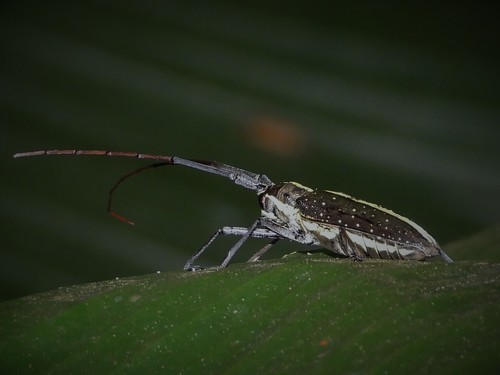

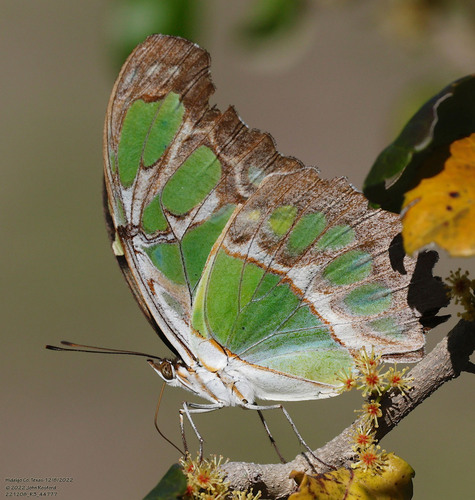
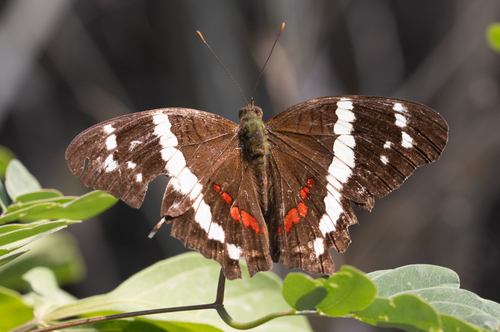
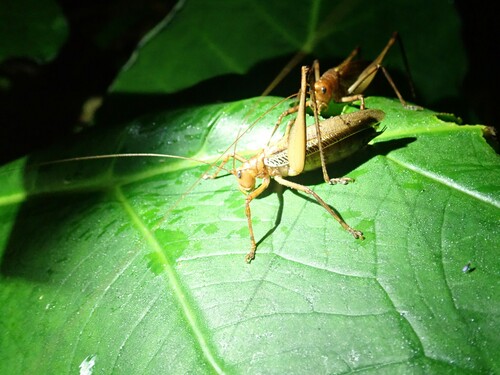
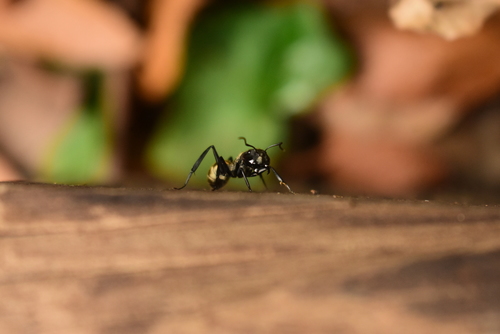
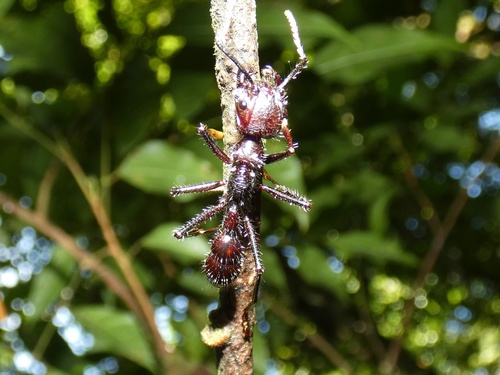
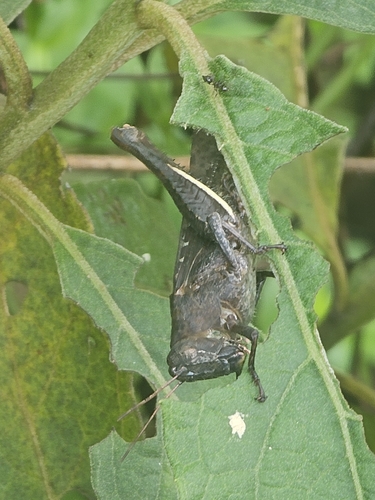
Taeniotes scalatus

Taeniotes scalatus

Taeniotes scalatus

Daily sighting probability ~20% · Possible
at Gandoca-Manzanillo Wildlife Refuge

In 3 days ~50% in a week ~80%

17 Verified sightings at Gandoca-Manzanillo Wildlife Refuge From 2019 to 2026
254 In all 16 parks
July Best month
☀️🌙 Day & Night When it's spotted

About the Taeniotes scalatus

Taeniotes scalatus is a species of flat-faced longhorn beetle in the subfamily Lamiinae of the family Cerambycidae. Wikipedia →

Global Distribution

Parks Where Found

# Park Country Daily sighting probability
1 Main Ridge Forest Reserve 🇹🇹 Trinidad and Tobago
~30%
2 Braulio Carrillo National Park 🇨🇷 Costa Rica
~20%
3 Gandoca-Manzanillo Wildlife Refuge 🇨🇷 Costa Rica
~20%
4 Tortuguero National Park 🇨🇷 Costa Rica
~10%
5 Arenal Volcano National Park 🇨🇷 Costa Rica
~10%
6 Corcovado National Park 🇨🇷 Costa Rica
~10%
7 Tenorio Volcano National Park 🇨🇷 Costa Rica
~10%
8 Cerro Azul Meámbar National Park 🇭🇳 Honduras
~10%
9 Bastimentos Island National Marine Park 🇵🇦 Panama
~10%
10 Piedras Blancas National Park 🇨🇷 Costa Rica
~10%
11 Cahuita National Park 🇨🇷 Costa Rica
~10%
12 Soberanía National Park 🇵🇦 Panama
~10%
13 Manuel Antonio National Park 🇨🇷 Costa Rica
~10%
14 Parque Natural Metropolitano 🇵🇦 Panama
~10%
15 La Amistad International Park (Panama) 🇵🇦 Panama
~10%
16 Monteverde Cloud Forest Reserve 🇨🇷 Costa Rica
~10%

Cities Where Found

# City Country Daily sighting probability
1 Panama City 🇵🇦 Panama
~10%
2 San José 🇨🇷 Costa Rica
<5%

Before you go

What are the chances of seeing a Taeniotes scalatus in Gandoca-Manzanillo Wildlife Refuge?

Possible

About 20% of wildlife watchers report a Taeniotes scalatus sighting in Gandoca-Manzanillo Wildlife Refuge on a given day, based on 17 verified sightings from GBIF citizen-science data from 2019 to 2026. It is the 13th most-seen of the 72 insects we can rate there. Over three days the chance rises to about 50%, and over a week to about 80%, if each day is a fresh chance.

When is the best time to see a Taeniotes scalatus in Gandoca-Manzanillo Wildlife Refuge?

July

In that month about 40% of wildlife watchers report a Taeniotes scalatus in Gandoca-Manzanillo Wildlife Refuge on a given day, against under 5% in June, September and December, the lowest months. That is one of Gandoca-Manzanillo Wildlife Refuge's wettest months, with about 560 mm of rain against 140 mm in March.

What time of day is best to see a Taeniotes scalatus?

Between 7 and 10 pm

Across all the parks we cover, that three-hour window holds the most Taeniotes scalatus sightings with a recorded time, and about 6 in 10 of them come between 6 pm and 6 am: it is seen both by day and at night.

Is Gandoca-Manzanillo Wildlife Refuge the best place to see a Taeniotes scalatus?

3rd of 16

Of the 16 parks where we can rate Taeniotes scalatus sightings, Gandoca-Manzanillo Wildlife Refuge ranks 3rd at about 20%. The best odds are in Main Ridge Forest Reserve (Trinidad and Tobago, about 30%) and Braulio Carrillo National Park (Costa Rica, about 20%).

Which relatives of the Taeniotes scalatus live in Gandoca-Manzanillo Wildlife Refuge?

Same order: Coleoptera

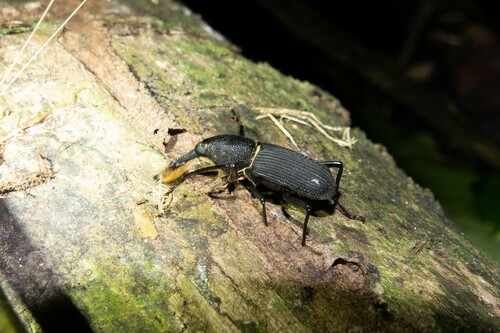
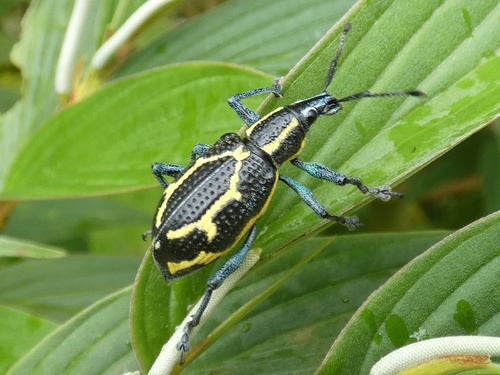
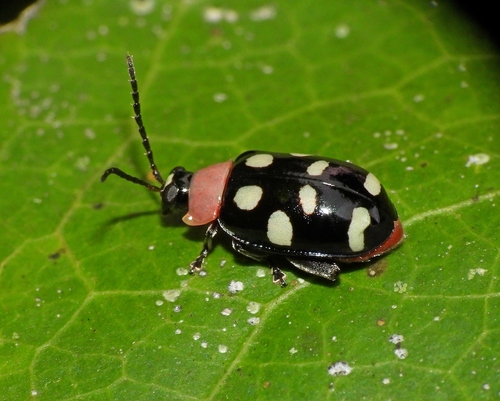
The closest relatives of the Taeniotes scalatus that you can see in Gandoca-Manzanillo Wildlife Refuge (order Coleoptera, Beetles) are Exophthalmus jekelianus (about 10%), Bearded Weevil (about 10%) and Elephant Beetle (about 10%), with each one's daily chance of a sighting.

Where does the Taeniotes scalatus sighting chance come from?

GBIF citizen-science records

It is estimated from how often the Taeniotes scalatus is recorded against all the insects logged in Gandoca-Manzanillo Wildlife Refuge (17 verified sightings from 2019 to 2026), calibrated against known sighting rates. Figures are rounded to the nearest 10% because citizen-science data supports honest approximations, not decimals, and months with records from fewer than five people show "—". How it works.

← Back to Gandoca-Manzanillo Wildlife Refuge