


Completed


Jaguar
Panthera onca
Silhouette: PhyloPic
- KingdomAnimalia (Animals)
- PhylumChordata (Chordates)
- ClassMammalia (Mammals)
- OrderCarnivora (Carnivorans)
- FamilyFelidae (Felids)
- GenusPanthera (Roaring Cats)
- SpeciesPanthera onca (Jaguar)
In 3 days ~30% in a week ~50%
9 Verified sightings at Iguaçu National Park From 2019 to 2026
927 In all 13 parks
June Best month
☀️ Diurnal When it's spotted


Completed




Completed
About the Jaguar
The jaguar (Panthera onca) is a large cat species and the only living member of the genus Panthera that is native to the Americas. Its distinctively marked coat features pale yellow to tan colored fur covered by spots that transition to rosettes on the sides, although a melanistic black coat appears in some individuals. With a body length of up to 1.85 m (6 ft 1 in) and a weight of up to 158 kg (348 lb), it is the biggest cat species in the Americas and the third largest in the world. The jaguar's powerful bite allows it to pierce the carapaces of turtles and tortoises, and to employ an unusual killing method: it bites directly through the skull of mammalian prey between the ears to deliver a fatal blow to the brain.
The modern jaguar's ancestors probably entered the Americas from Eurasia during the Early Pleistocene via the land bridge that once spanned the Bering Strait. The oldest jaguar fossils found in North America date to between 0.85 to 0.82 million years ago. Today, the jaguar's range extends from the Southwestern United States across Mexico and much of Central America, the Amazon rainforest and south to Paraguay and northern Argentina. It inhabits a variety of forested and open terrains, but its preferred habitat is tropical and subtropical moist broadleaf forest, wetlands and wooded regions. It is adept at swimming and is largely a solitary, opportunistic, stalk-and-ambush apex predator. As a keystone species, it plays an important role in stabilizing ecosystems and in regulating prey populations.
The jaguar is threatened by habitat loss, habitat fragmentation, poaching for trade with its body parts and killings in human–wildlife conflict situations, particularly with ranchers in Central and South America. It has been listed as Near Threatened on the IUCN Red List since 2002. The wild population is thought to have declined since the late 1990s. Priority areas for jaguar conservation comprise 51 large areas inhabited by at least 50 breeding individuals, called Jaguar Conservation Units. They are located in 36 geographic regions from Mexico to Argentina.
The jaguar has featured prominently in the mythology of indigenous peoples of the Americas, including those of the Aztec and Maya civilizations. Wikipedia →
Sounds
Recording0:29
Guatemala · 2025
© Leander Khil · XC1010403 · CC BY-NC-SA 4.0
Mating call0:12
Costa Rica · 2023
© Seth Beaudreault · XC1002183 · CC BY-NC-SA 4.0
Recording0:12
French Guiana · 2024
© Henri Lodieu · iNaturalist · CC BY-NC 4.0
Recent sightings of Jaguar in Iguaçu National Park
LIVEiNaturalistGlobal Distribution
Parks Where Found
| # | Park | Country | Daily sighting probability |
|---|---|---|---|
| 1 | Parque Estadual Encontro das Águas | 🇧🇷 Brazil | |
| 2 | El Impenetrable National Park | 🇦🇷 Argentina | |
| 3 | Tikal National Park | 🇬🇹 Guatemala | |
| 4 | Tortuguero National Park | 🇨🇷 Costa Rica | |
| 5 | Calakmul Biosphere Reserve | 🇲🇽 Mexico | |
| 6 | Yasuní National Park | 🇪🇨 Ecuador | |
| 7 | Manu National Park | 🇵🇪 Peru | |
| 8 | Iberá National Park | 🇦🇷 Argentina | |
| 9 | Iguazú National Park | 🇦🇷 Argentina | |
| 10 | Santa Rosa National Park | 🇨🇷 Costa Rica | |
| 11 | Tambopata National Reserve | 🇵🇪 Peru | |
| 12 | Iguaçu National Park | 🇧🇷 Brazil | |
| 13 | Chagres National Park | 🇵🇦 Panama |
Zoos & Centres Where Found
Closest Relatives at Iguaçu National Park


Before you go
What are the chances of seeing a Jaguar in Iguaçu National Park?
With luck
About 10% of wildlife watchers report a Jaguar sighting in Iguaçu National Park on a given day, based on 9 verified sightings from GBIF citizen-science data from 2019 to 2026. It is the 8th most-seen of the 13 mammals we can rate there. Over three days the chance rises to about 30%, and over a week to about 50%, if each day is a fresh chance.
When is the best time to see a Jaguar in Iguaçu National Park?
May–June and August
In those months about 20% of wildlife watchers report a Jaguar in Iguaçu National Park on a given day, against under 5% in January–February, April and September–November, the lowest months.
What time of day is best to see a Jaguar?
Between 2 and 5 pm
Across all the parks we cover, that three-hour window holds the most Jaguar sightings with a recorded time, and about 8 in 10 of them come between 6 am and 6 pm: it is a daytime animal.
Is Iguaçu National Park the best place to see a Jaguar?
12th of 13
Of the 13 parks where we can rate Jaguar sightings, Iguaçu National Park ranks 12th at about 10%. The best odds are in Parque Estadual Encontro das Águas (Brazil, about 90%), El Impenetrable National Park (Argentina, about 30%) and Tikal National Park (Guatemala, about 20%). All parks ranked.
Which relatives of the Jaguar live in Iguaçu National Park?
Same family: Felidae
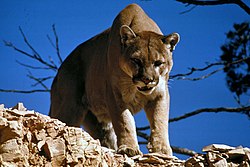
The closest relatives of the Jaguar that you can see in Iguaçu National Park (family Felidae, Felids) are Mountain Lion (about 10%) and Ocelot (about 10%), with each one's daily chance of a sighting.
Where does the Jaguar sighting chance come from?
GBIF citizen-science records
It is estimated from how often the Jaguar is recorded against all the mammals logged in Iguaçu National Park (9 verified sightings from 2019 to 2026), calibrated against known sighting rates. Figures are rounded to the nearest 10% because citizen-science data supports honest approximations, not decimals, and months with records from fewer than five people show "—". How it works.
