Common Blue

Common Blue

Polyommatus icarus

Daily sighting probability ~40% · Likely
at Kiskunság National Park

In 3 days ~80% in a week >90%

29 Verified sightings at Kiskunság National Park From 2019 to 2026
1,263 In all 21 parks
May Best month
☀️ Diurnal When it's spotted

About the Common Blue

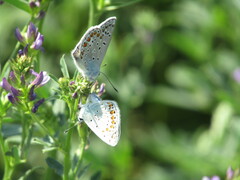
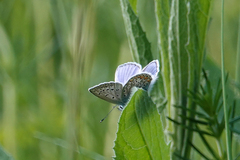
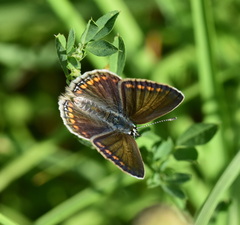
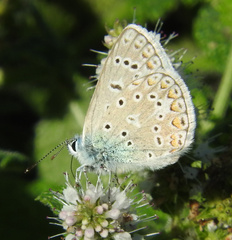
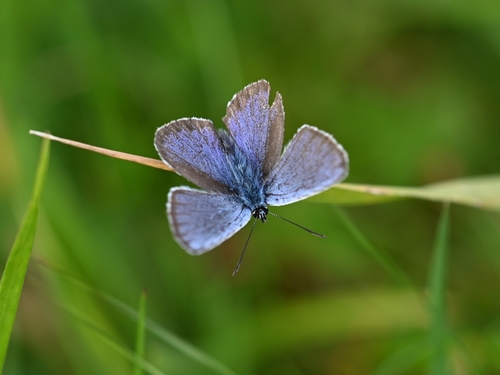
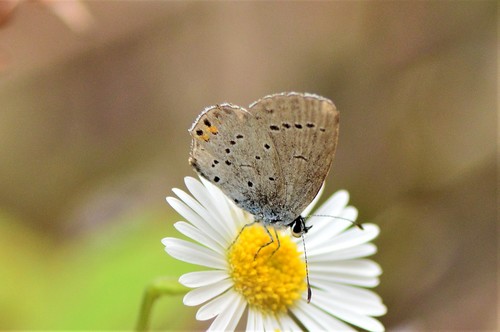
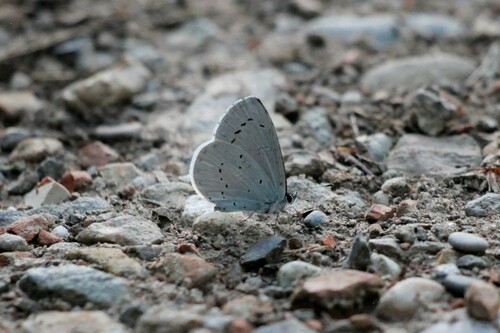
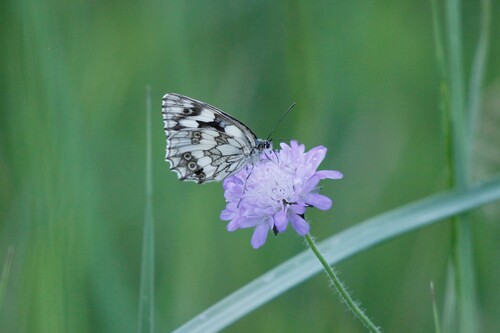
The common blue butterfly or European common blue (Polyommatus icarus) is a butterfly in the family Lycaenidae and subfamily Polyommatinae. The butterfly is found throughout the Palearctic and has been introduced to North America. Butterflies in the Polyommatinae are collectively called blues, from the coloring of the wings. Common blue males usually have wings that are blue above with a black-brown border and a white fringe. The females are usually brown above with a blue dusting and orange spots.

The Common blue was elected as the national butterfly of Israel in 2023. The contest was launched by the National Butterfly Lovers of Israel Association, with the participation of other nature organizations. A factor in the election result is that like Polyommatus icarus, the flag of Israel is blue and white.

This species was first described by Siegmund Adrian von Rottemburg in 1775. Vernacular names that have been given to P. icarus include little blew argus, blew argus, mixed argus, selvedg'd argus, ultramarine blue, caerulean butterfly, and alexis.

Possible Wikipedia →

Global Distribution

Parks Where Found

# Park Country Daily sighting probability
1 Kiskunság National Park 🇭🇺 Hungary
~40%
2 Bavarian Forest National Park 🇩🇪 Germany
~30%
3 Cévennes National Park 🇫🇷 France
~30%
4 Picos de Europa National Park 🇪🇸 Spain
~30%
5 Hortobágy National Park 🇭🇺 Hungary
~30%
6 Mercantour National Park 🇫🇷 France
~30%
7 Snowdonia National Park 🇬🇧 United Kingdom
~20%
8 Aigüestortes National Park 🇪🇸 Spain
~20%
9 Plitvice Lakes National Park 🇭🇷 Croatia
~20%
10 Wadden Sea National Park 🇩🇪 Germany
~20%
11 Pyrénées National Park 🇫🇷 France
~20%
12 Cairngorms National Park 🇬🇧 United Kingdom
~20%
13 Biebrza National Park 🇵🇱 Poland
~20%
14 Ordesa y Monte Perdido National Park 🇪🇸 Spain
~20%
15 Fertő-Hanság National Park 🇭🇺 Hungary
~20%
16 Triglav National Park 🇸🇮 Slovenia
~20%
17 Camargue 🇫🇷 France
~10%
18 Białowieża National Park 🇵🇱 Poland
~10%
19 Sierra de Guadarrama National Park 🇪🇸 Spain
~10%
20 Ecrins National Park 🇫🇷 France
~10%
21 Sierra Nevada National Park 🇪🇸 Spain
~10%

Cities Where Found

# City Country Daily sighting probability
1 Montreal 🇨🇦 Canada
~40%
2 Jerusalem 🇮🇱 Israel
~30%
3 Ankara 🇹🇷 Turkey
~30%
4 Ramallah 🇵🇸 Palestine
~30%
5 Budapest 🇭🇺 Hungary
~30%
6 Warsaw 🇵🇱 Poland
~30%
7 Toronto 🇨🇦 Canada
~30%
8 Kharkiv 🇺🇦 Ukraine
~30%
9 Prague 🇨🇿 Czechia
~30%
10 Turin 🇮🇹 Italy
~20%

Before you go

What are the chances of seeing a Common Blue in Kiskunság National Park?

Likely

About 40% of wildlife watchers report a Common Blue sighting in Kiskunság National Park on a given day, based on 29 verified sightings from GBIF citizen-science data from 2019 to 2026. It is the 8th most-seen of the 95 insects we can rate there. Over three days the chance rises to about 80%, and over a week to over 90%, if each day is a fresh chance.

When is the best time to see a Common Blue in Kiskunság National Park?

May

In that month about 60% of wildlife watchers report a Common Blue in Kiskunság National Park on a given day, against under 5% in March–April and October, the lowest months. That is one of Kiskunság National Park's wettest months, with about 75 mm of rain against 35 mm in April.

What time of day is best to see a Common Blue?

Between noon and 3 pm

Across all the parks we cover, that three-hour window holds the most Common Blue sightings with a recorded time, and about 9 in 10 of them come between 6 am and 6 pm: it is a daytime animal.

Which relatives of the Common Blue live in Kiskunság National Park?

Same family: Lycaenidae

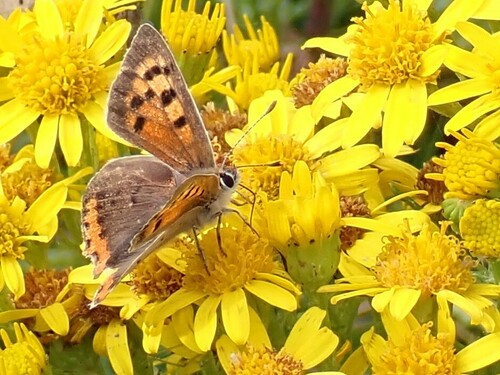
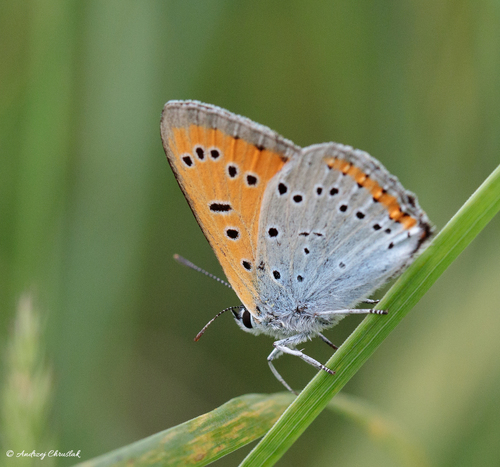
The closest relatives of the Common Blue that you can see in Kiskunság National Park (family Lycaenidae, Gossamer-winged Butterflies) are Silver-Studded Blue (about 40%), Small Copper (about 30%) and Large Copper (about 20%), with each one's daily chance of a sighting.

Where does the Common Blue sighting chance come from?

GBIF citizen-science records

It is estimated from how often the Common Blue is recorded against all the insects logged in Kiskunság National Park (29 verified sightings from 2019 to 2026), calibrated against known sighting rates. Figures are rounded to the nearest 10% because citizen-science data supports honest approximations, not decimals, and months with records from fewer than five people show "—". How it works.

← Back to Kiskunság National Park