European Mantis

European Mantis

Mantis religiosa

Daily sighting probability ~10% · With luck
at Kruger National Park

In 3 days ~20% in a week ~40%

40 Verified sightings at Kruger National Park From 2019 to 2026
793 In all 25 parks
May Best month
☀️ Diurnal When it's spotted

About the European Mantis

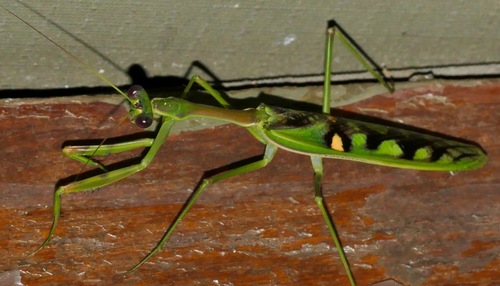
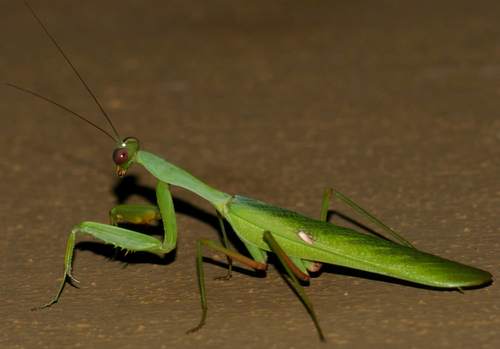
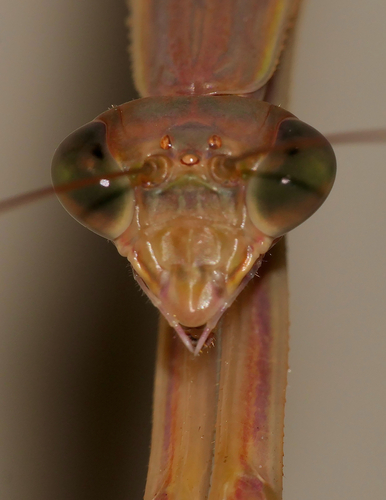
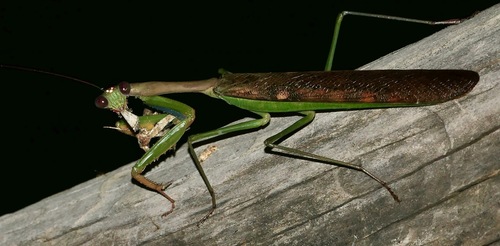
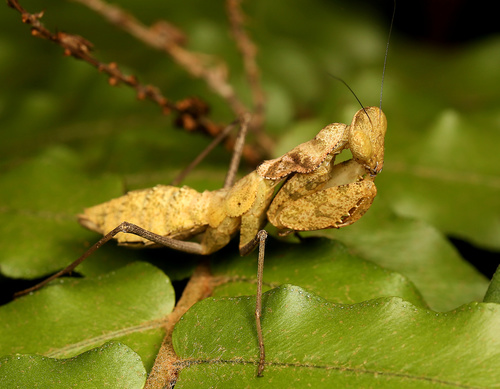
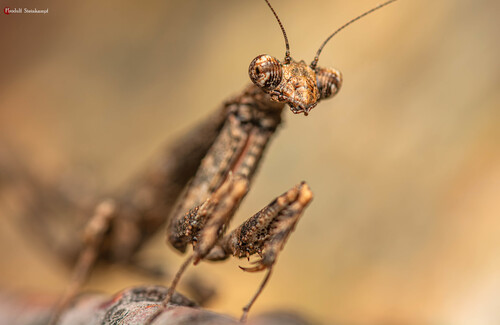
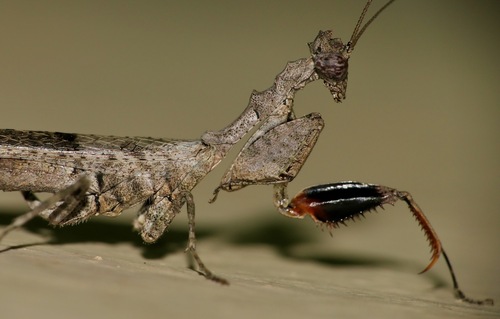
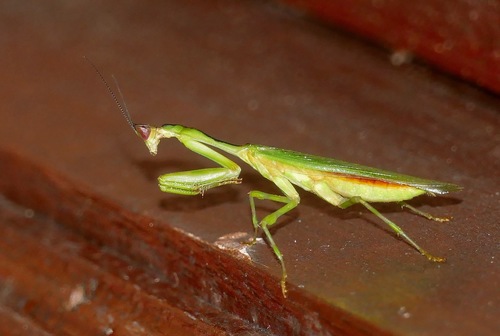
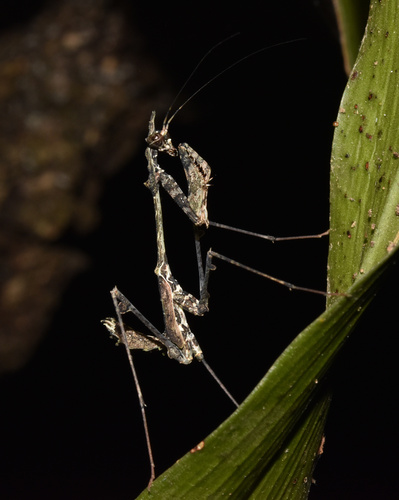
The European mantis (Mantis religiosa) is a large hemimetabolic insect in the family Mantidae, which is the largest family of the order Mantodea (mantises). Their common name praying mantis is derived from the distinctive posture of the first pair of legs, which can be observed when the mantis is in repose, resembling a praying position. Both males and females have elongated bodies with two pairs of wings. The most striking features that the species (and all mantodeans) have are a very mobile, triangular head with large compound eyes and their first pair of legs (the 'raptorial legs'), which is highly modified for the efficient capture and restraint of fast-moving or flying prey.

In Germany, M. religiosa is listed as Gefährdet [endangered] on the German Red List on the basis of an assessment from 1998. It is not supposed to be caught or held as a pet. At a global level, it is assessed by the IUCN as least concern.

Though females of M. religiosa are usually larger and heavier than males (6-8 cm versus 5-7 cm), the antennae and the eyes of male animals outsize those of the females. Along with the forward-directed, compound eyes, simple eyes also are found on the head. These... Wikipedia →

Global Distribution

Parks Where Found

# Park Country Daily sighting probability
1 Cévennes National Park 🇫🇷 France
~30%
2 Białowieża National Park 🇵🇱 Poland
~30%
3 Kiskunság National Park 🇭🇺 Hungary
~30%
4 Sierra Nevada National Park 🇪🇸 Spain
~30%
5 Plitvice Lakes National Park 🇭🇷 Croatia
~20%
6 Biebrza National Park 🇵🇱 Poland
~20%
7 Aigüestortes National Park 🇪🇸 Spain
~20%
8 Fertő-Hanság National Park 🇭🇺 Hungary
~20%
9 Triglav National Park 🇸🇮 Slovenia
~20%
10 Pyrénées National Park 🇫🇷 France
~20%
11 Picos de Europa National Park 🇪🇸 Spain
~10%
12 Redwood National Park 🇺🇸 United States
~10%
13 Camargue 🇫🇷 France
~10%
14 Acadia National Park 🇺🇸 United States
~10%
15 Sierra de Guadarrama National Park 🇪🇸 Spain
~10%
16 Vanoise National Park 🇫🇷 France
~10%
17 Yosemite National Park 🇺🇸 United States
~10%
18 Badlands National Park 🇺🇸 United States
~10%
19 Mercantour National Park 🇫🇷 France
~10%
20 Channel Islands National Park 🇺🇸 United States
~10%
21 Monfragüe National Park 🇪🇸 Spain
~10%
22 Kruger National Park 🇿🇦 South Africa
~10%
23 Ecrins National Park 🇫🇷 France
~10%
24 Grand Canyon National Park 🇺🇸 United States
~10%
25 Olympic National Park 🇺🇸 United States
<5%

Cities Where Found

# City Country Daily sighting probability
1 Bursa 🇹🇷 Turkey
~30%
2 Astana 🇰🇿 Kazakhstan
~20%
3 Salt Lake City 🇺🇸 United States
~20%
4 Vienna 🇦🇹 Austria
~20%
5 Budapest 🇭🇺 Hungary
~20%
6 Milan 🇮🇹 Italy
~20%
7 Yerevan 🇦🇲 Armenia
~20%
8 Portland 🇺🇸 United States
~20%
9 Sofia 🇧🇬 Bulgaria
~20%
10 Lyon 🇫🇷 France
~10%

Before you go

What are the chances of seeing a European Mantis in Kruger National Park?

With luck

About 10% of wildlife watchers report a European Mantis sighting in Kruger National Park on a given day, based on 40 verified sightings from GBIF citizen-science data from 2019 to 2026. It is the 92nd most-seen of the 748 insects we can rate there. Over three days the chance rises to about 20%, and over a week to about 40%, if each day is a fresh chance.

When is the best time to see a European Mantis in Kruger National Park?

May

In that month about 20% of wildlife watchers report a European Mantis in Kruger National Park on a given day, against under 5% in January–February, August–September and November, the lowest months. That is one of Kruger National Park's driest months, with about 10 mm of rain against 110 mm in February.

What time of day is best to see a European Mantis?

Between noon and 3 pm

Across all the parks we cover, that three-hour window holds the most European Mantis sightings with a recorded time, and about 8 in 10 of them come between 6 am and 6 pm: it is a daytime animal.

Which relatives of the European Mantis live in Kruger National Park?

Same family: Mantidae

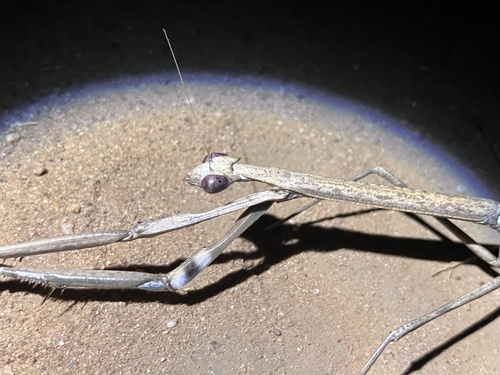
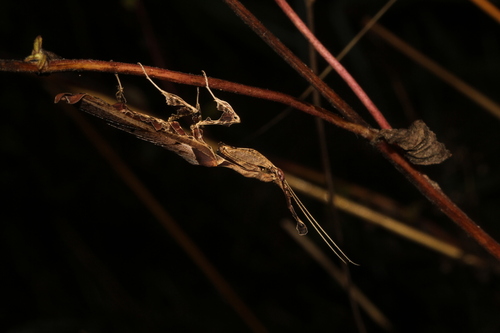
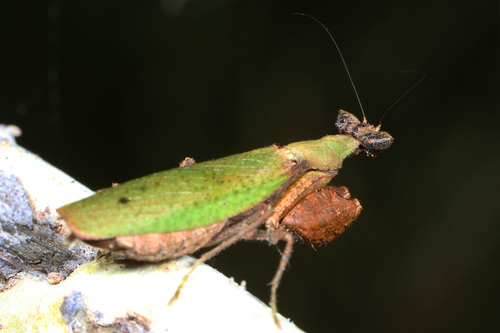
The closest relatives of the European Mantis that you can see in Kruger National Park (family Mantidae, Mantids) are Zebra Mantis (about 10%), Common Green Mantis (about 10%) and Stick Mantis (about 10%), with each one's daily chance of a sighting.

Where does the European Mantis sighting chance come from?

GBIF citizen-science records

It is estimated from how often the European Mantis is recorded against all the insects logged in Kruger National Park (40 verified sightings from 2019 to 2026), calibrated against known sighting rates. Figures are rounded to the nearest 10% because citizen-science data supports honest approximations, not decimals, and months with records from fewer than five people show "—". How it works.

← Back to Kruger National Park