Rufous Piha

Rufous Piha

Lipaugus unirufus

Silhouette: Edwin Price · PhyloPic

LCLeast ConcernNTVUENCR
Daily sighting probability <5% · Rare
at Soberanía National Park

In 3 days <5%

66 Verified sightings at Soberanía National Park From 2019 to 2026
2,946 In all 19 parks
July Best month
☀️ Diurnal When it's spotted

About the Rufous Piha

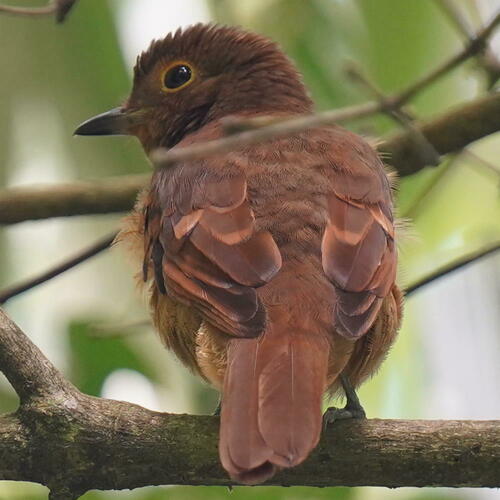
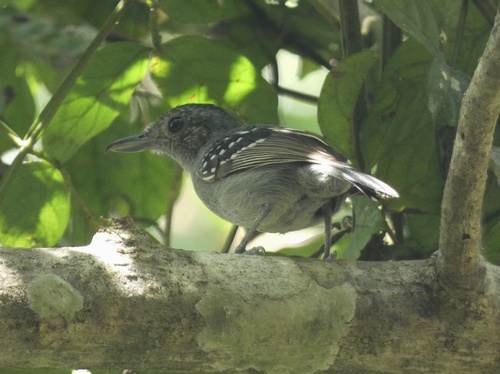
The rufous piha (Lipaugus unirufus) is a species of bird in the family Cotingidae, the cotingas. Its range extends from southern Mexico throughout Central America and the Chocó-Magdalena region. The rufous piha is 22 to 26 cm (8.7 to 10 in) long; six individuals weighed 79 to 97 g (2.8 to 3.4 oz). The sexes have the same plumage. Adults of the nominate subspecies have a rufous crown with thin, somewhat lighter, streaks. The rest of their face and their upperparts are deep cinnamon brown. Their wings and tail are deep cinnamon brown with deep ochraceous buff inner webs on the remiges. Their underparts are buffy cinnamon that is darker and duller on the breast. Subspecies L. u. castaneotinctus has darker, more chestnut cinnamon upperparts than the nominate. Both subspecies have a dark brown iris, a dusky gray maxilla, a dull buffy brown mandible with a gray tip, and gray to brown legs and feet. The rufous piha looks similar to the rufous mourner (Rhytipterna holerythra) and speckled mourner (Laniocera rufescens... Wikipedia →

Sounds

Alarm call0:08

Ecuador · 2010

© Manuel Sánchez-Nivicela · XC1176100 · CC BY-NC-ND 4.0

Call0:37

Costa Rica · 2023

© Scott Olmstead · XC863092 · CC BY-NC-SA 4.0

Disturbance notes0:34

Ecuador · 1999

© Patricio Mena Valenzuela · XC275495 · CC BY-NC-SA 4.0

Global Distribution

Parks Where Found

# Park Country Daily sighting probability
1 Corcovado National Park 🇨🇷 Costa Rica
~40%
2 Darién National Park 🇵🇦 Panama
~30%
3 Carara National Park 🇨🇷 Costa Rica
~10%
4 Piedras Blancas National Park 🇨🇷 Costa Rica
~10%
5 Montes Azules Biosphere Reserve 🇲🇽 Mexico
~10%
6 Cockscomb Basin Wildlife Sanctuary 🇧🇿 Belize
<5%
7 Marino Ballena National Park 🇨🇷 Costa Rica
<5%
8 Braulio Carrillo National Park 🇨🇷 Costa Rica
<5%
9 Tortuguero National Park 🇨🇷 Costa Rica
<5%
10 Pico Bonito National Park 🇭🇳 Honduras
<5%
11 Soberanía National Park 🇵🇦 Panama
<5%
12 Tikal National Park 🇬🇹 Guatemala
<5%
13 Manuel Antonio National Park 🇨🇷 Costa Rica
<5%
14 Tenorio Volcano National Park 🇨🇷 Costa Rica
<5%
15 Gandoca-Manzanillo Wildlife Refuge 🇨🇷 Costa Rica
<5%
16 La Amistad International Park (Panama) 🇵🇦 Panama
<5%
17 Farallones de Cali National Natural Park 🇨🇴 Colombia
<5%
18 Tapantí-Macizo de la Muerte National Park 🇨🇷 Costa Rica
<5%
19 Arenal Volcano National Park 🇨🇷 Costa Rica
<5%

Before you go

What are the chances of seeing a Rufous Piha in Soberanía National Park?

Rare

Under 5% of wildlife watchers report a Rufous Piha sighting in Soberanía National Park on a given day, based on 66 verified sightings from GBIF citizen-science data from 2019 to 2026. It is the 332nd most-seen of the 449 birds we can rate there. Over three days the chance rises to under 5%, if each day is a fresh chance.

When is the best time to see a Rufous Piha in Soberanía National Park?

Any time of year

In every month with enough records, under 5% of wildlife watchers report a Rufous Piha in Soberanía National Park on a given day, so our monthly data shows no clear season.

What time of day is best to see a Rufous Piha?

Between 9 am and noon

Across all the parks we cover, that three-hour window holds the most Rufous Piha sightings with a recorded time, and about 9 in 10 of them come between 6 am and 6 pm: it is a daytime animal.

Is Soberanía National Park the best place to see a Rufous Piha?

11th of 19

Of the 19 parks where we can rate Rufous Piha sightings, Soberanía National Park ranks 11th at under 5%. The best odds are in Corcovado National Park (Costa Rica, about 40%), Darién National Park (Panama, about 30%) and Carara National Park (Costa Rica, about 10%).

Which relatives of the Rufous Piha live in Soberanía National Park?

Same family: Cotingidae

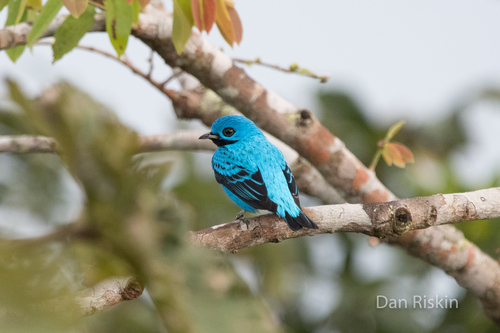
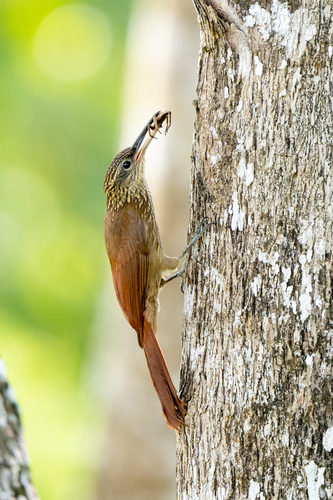
The closest relatives of the Rufous Piha that you can see in Soberanía National Park (family Cotingidae, Cotingas) are Purple-throated Fruitcrow (about 30%), Masked Tityra (about 30%) and Blue Cotinga (about 20%), with each one's daily chance of a sighting.

Where does the Rufous Piha sighting chance come from?

GBIF citizen-science records

It is estimated from how often the Rufous Piha is recorded against all the birds logged in Soberanía National Park (66 verified sightings from 2019 to 2026), calibrated against known sighting rates. Figures are rounded to the nearest 10% because citizen-science data supports honest approximations, not decimals, and months with records from fewer than five people show "—". How it works.

← Back to Soberanía National Park